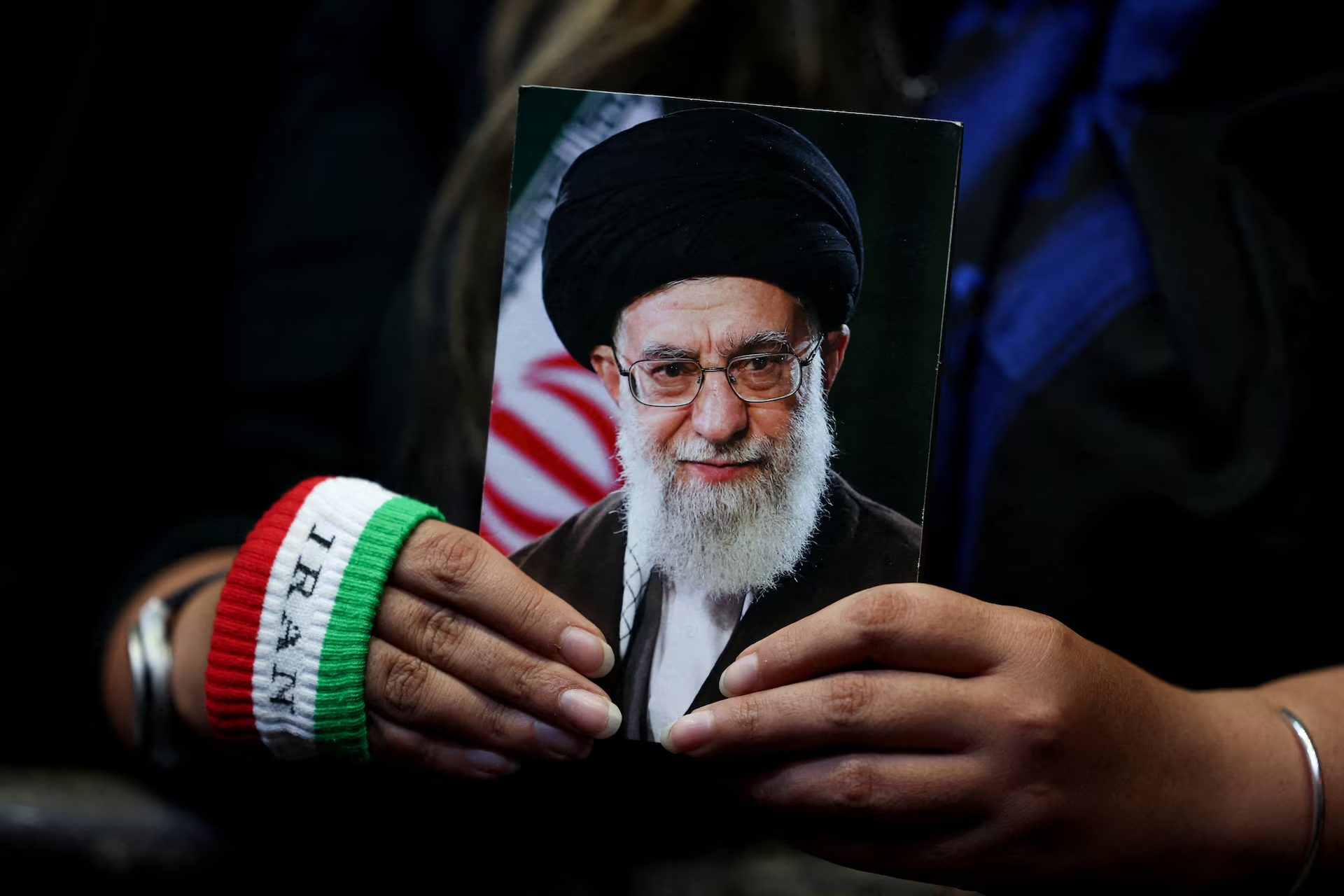
As many anticipated, the United States and NATO’s increasingly aggressive measures against perceived adversaries have only driven those adversaries closer together. Over recent years, Russia and Iran have built a strategic partnership, and under mounting Western pressure, it was inevitable that they would strengthen this relationship further. The newly signed treaty between the two stops short of being a formal defensive military alliance but is otherwise robust in its language and scope.
The agreement encompasses military cooperation, economic collaboration, port basing rights, joint military training, and political support. While an explicit mutual defense clause is absent, the treaty functions as a de facto alliance. There is little to suggest that this is the end of their partnership’s evolution; this document could well serve as the foundation for a formal military alliance in the future.
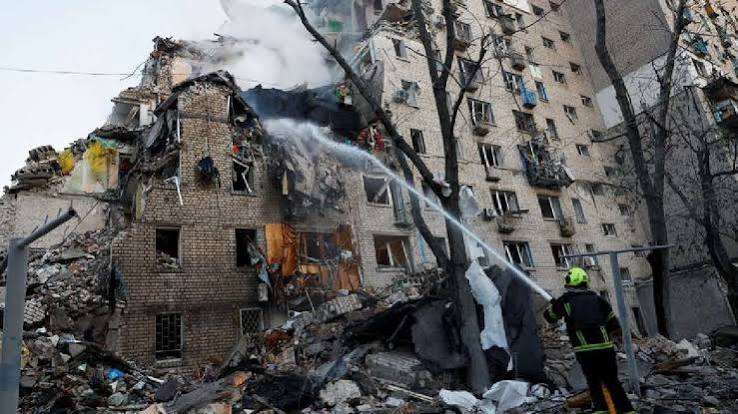
From a geopolitical standpoint, this partnership is strategic. It allows Russia and Iran to bolster each other in key areas. Iran provides resources, materials, and vital maritime access to Russia. In return, Russia offers advanced military technology, such as air defense systems (S-300 and S-400), area denial missiles, and potentially modern fighter jets—capabilities that Iran lacks due to years of sanctions despite its oil wealth. This cooperation has already been evident, as Iranian Shaheed drones have played a significant role in Russia’s campaign in Ukraine.
Mohammad Azab: The Journey from Chishtian Streets to Lahore Qalandars’ Stardom
Additionally, Russia’s growing military relationship with North Korea further strengthens the bloc of nations opposing the Western sphere. Although China has not formally joined this treaty, nor is it likely to sign a one-sided military alliance, its strong bilateral ties with Russia, Iran, and North Korea underline the shifting global dynamics.
The emerging partnerships signal a realignment in global power structures, where the adversaries of the West increasingly coordinate to counterbalance its influence. While the future of these alliances remains uncertain, their trajectory suggests a new era of geopolitical rivalry.