DLP Report
PESHAWAR
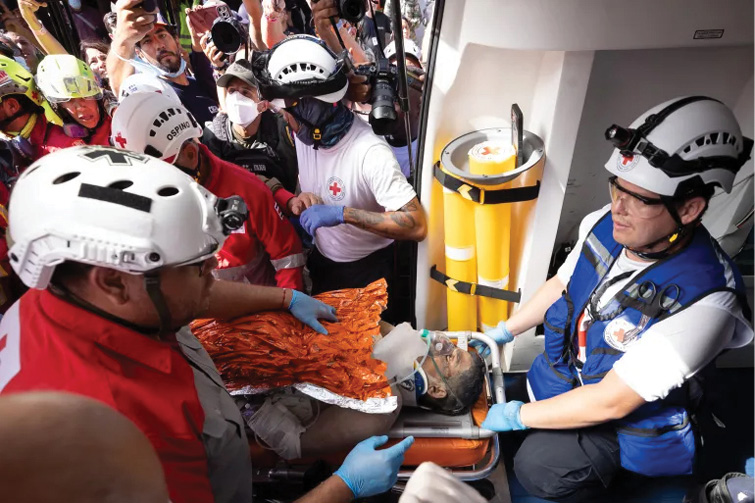
Advisor to Chief Minister Khyber Pakhtunkhwa on Information and Public Relations, Barrister Dr. Saif has emphasized on the significance of effective crisis communication and the role of information officers in mitigating the impact of disasters.
Speaking at the one-day workshop on “Importance of Communication During the Humanitarian Crisis,” he highlighted the critical role of continuous learning in professional growth.
Dr. Saif noted that orientation sessions such as these are often challenging to organize, particularly in government departments.
However, he stressed that ongoing learning is essential in every profession, allowing individuals to adapt to new circumstances and improve performance.
He expressed his gratitude to the International Committee of the Red Cross (ICRC) for arranging an important session for officers of the Directorate General Information & Public Relations.
Discussing the broader theme of humanitarian crises during natural and man-made disasters, Dr. Saif provided a historical perspective, stating that conflict has often been a catalyst for change and progress.
He emphasized the importance of regulating conflict through laws and ethical frameworks, ensuring that human values are upheld even in times of crisis.
Referring to Pakistan’s current situation, particularly in Kurram and the former tribal areas, Dr. Saif pointed out that both man-made and natural crises demand effective emergency response mechanisms.
He underscored the pivotal role of the Information Department in crisis communication, particularly in collaboration with the journalist community.
Accurate reporting, he noted, leads to effective response strategies, making media sensitization and training crucial components of disaster management.
Barrister Dr. Saif also addressed the healthcare challenges in crisis situations, noting the critical need for emergency medical facilities.
Sharing his firsthand experience of interacting with affected communities, he reiterated the necessity of robust healthcare support in disaster-affected regions.
On the issue of funding, he acknowledged the financial constraints faced by individuals, governments, and humanitarian organizations. However, he expressed confidence that resource limitations would not hinder humanitarian efforts.
Barrister Dr. Saif encouraged participants to take full advantage of the workshop, enhancing their awareness and professional capabilities.
He commended the International Committee of the Red Cross (ICRC) for its invaluable contribution to societal development and reiterated his commitment to supporting initiatives that promote effective communication and crisis management.