PESHAWAR: Sarhad Chamber of Commerce and Industry president Fazal Moqeem Khan stressed formation of business-friendly policies. SCCI president stated that huge investment opportunities are available in natural resources-rich Khyber Pakhtunkhwa. He, however, emphasized the need of special incentives and facilities to local businessmen, consequently that will also boost to the foreign investment in the country. Fazal Moqeem said bureaucracy has a vital role in reshaping economic policies, but it is crucial that these policies should be crafted in consultation with the business community and relevant stakeholders that will have positive impacts on the national economy, business and trade. He was addressing members during a visit of the undertraining officers of 37th Senior Management Course at National Institute of Public Administration, said a statement here on Saturday. Our Correspondent
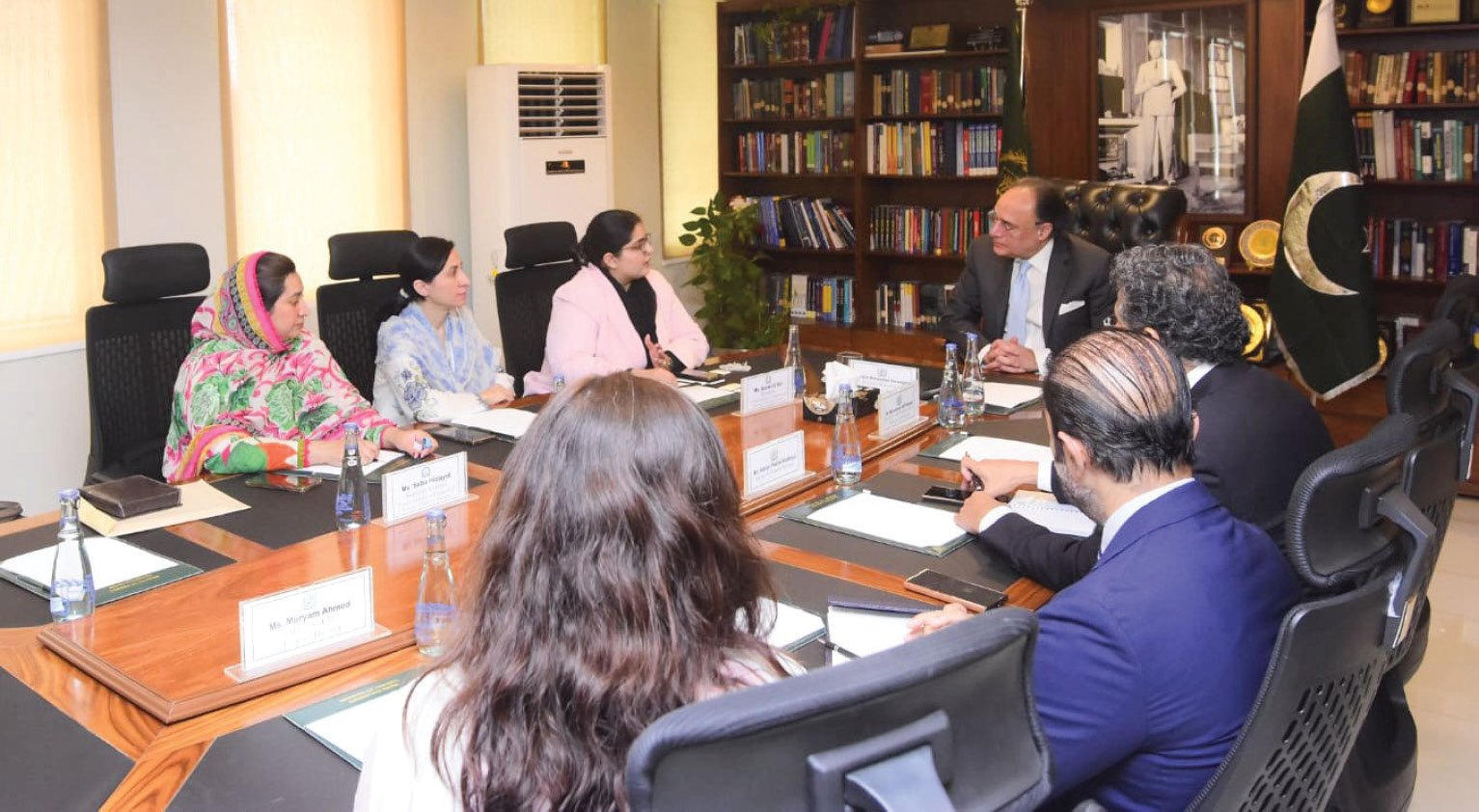
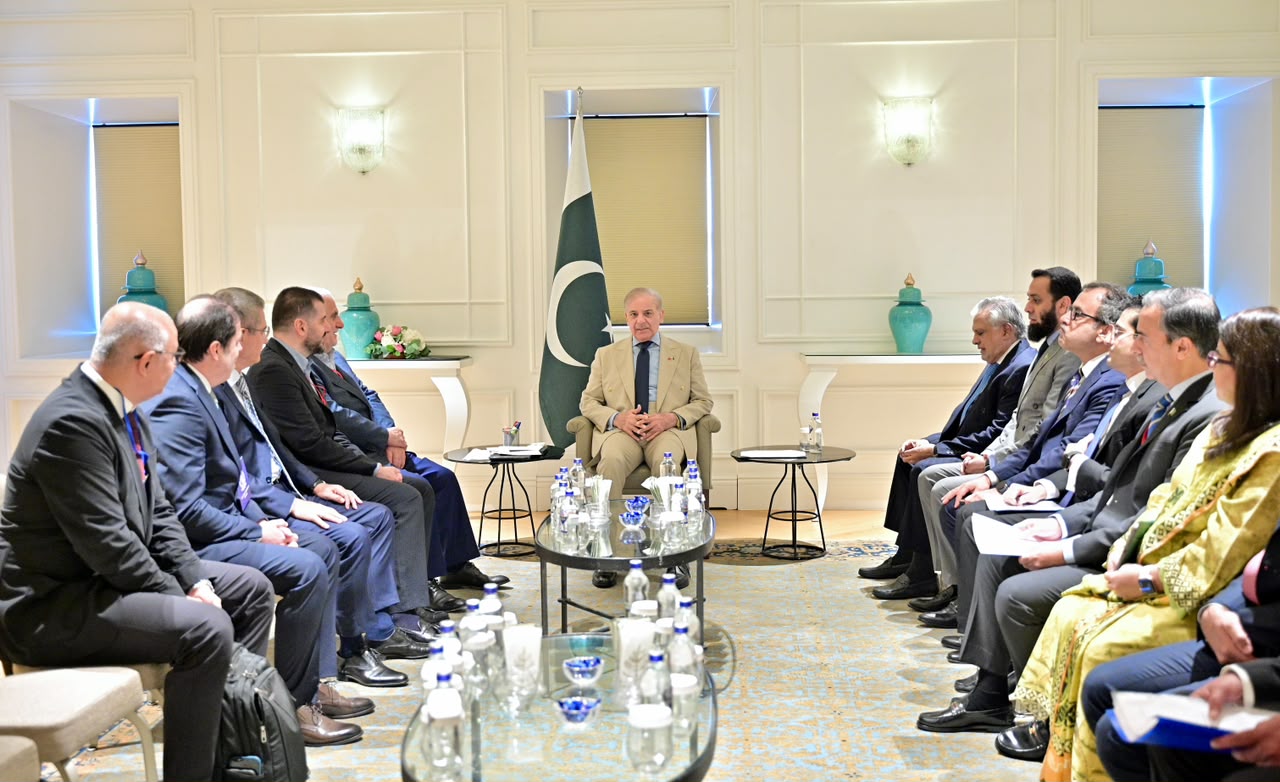
The delegation was headed by senior faculty member Shaukat Hayat. Meeting was attended by senior vice president of the chamber Abdul Jalil Jan, vice president Shehryar Khan, former presidents SCCI Haji Muhammad Afzal, Zulfiqar Ali Khan, Riaz Arshad, former senior vice president Shahid Hussain, members of the chamber executive committee Aftab Iqbal, Shamsur Rehman, and Ihsanullah, Secretary General Muqtasid Ahsan, traders and industrialists.
A comprehensive multi-media presentation ran in the meeting which highlighted the origin of the SCCI, its main objectives, relief initiatives for the business community and future plan.
Fazal Moqeem took on major issues, which were faced by the business community, mainly related to poor law and order situation, non-provision of due constitutional rights on oil, gas and electricity to KP, hurdles in flourishing trade, business, industries and attracting investment in the province.
The SCCI chief underscored the need for optimal utilization of KP’ natural resources that will lead the provincial economy toward sustainable growth and prosperity.
He urged visiting senior officers from various departments to frame and reshape policies while keeping in view the ground realities of Khyber Pakhtunkhwa to avoid further compounding the difficulties and miseries of the province’ business community.