In pursuit of a Nobel Peace Prize, Trump has leveraged tariffs in recent conflicts
bangkok
Thailand has resisted US tariff pressure aimed at enforcing peace with Cambodia, as border clashes reignited this week, ending the Trump-backed ceasefire from July. At that time, a call from then-US President Donald Trump and the threat of “crushing tariffs” had helped halt five days of intense fighting.
“Bangkok’s resistance is a test for Trump’s tariff play, but the tariff has always been a blunt instrument,” said Chong Ja Ian, political science professor at the National University of Singapore. “Whether it can get a lasting ceasefire over longstanding and deep-seated animosities has been and is doubtful.”
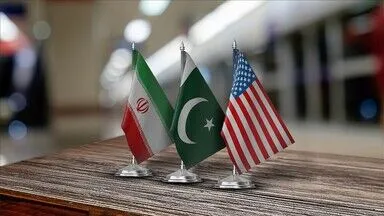
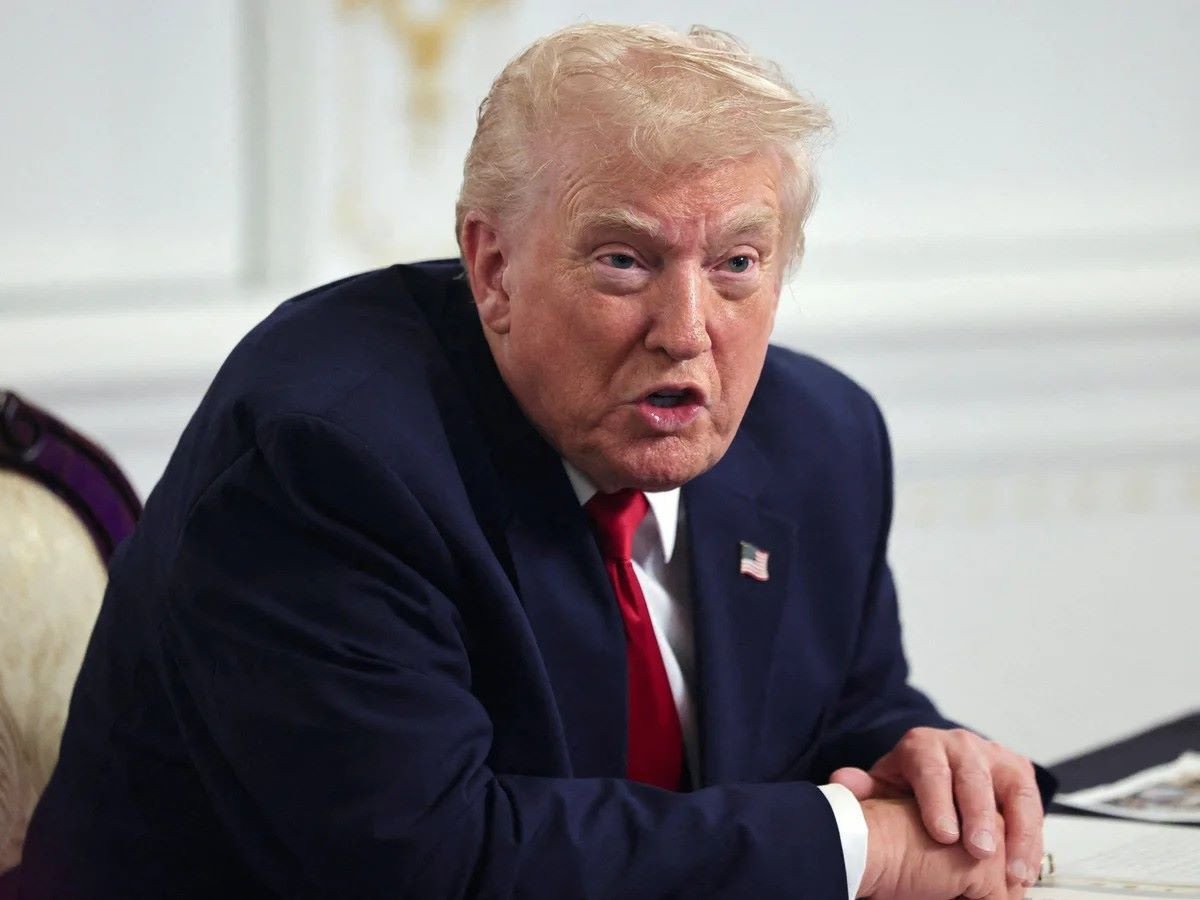
Trump, in his quest for a Nobel Peace Prize, has attempted to mediate in several conflicts in recent months using tariffs as leverage, with mixed results, while also alienating some countries. Earlier this year, his push to halt fighting between India and Pakistan—reportedly using sky-high tariffs—strained relations between New Delhi and Washington. India, however, denies tariffs played any role in ending hostilities.
At a rally in Pennsylvania on Tuesday, Trump said he expects to make a phone call on Wednesday to stop the fighting between Thailand and Cambodia, without elaborating.
Thailand’s Foreign Minister Sihasak Phuangketkeow stressed that resolving the border conflict should remain separate from ongoing trade negotiations. In October, the United States and Thailand announced a reciprocal trade framework maintaining a 19% tariff on Thai products, while identifying areas for potential tariff cuts. “We feel that it’s unjust already that we should be subject to a unilateral tariff of 19%, and perhaps they want to impose even more tariffs if they’re not happy,” Sihasak said in an interview on Tuesday.
Thailand and Cambodia have disputed parts of their 817 km (508 miles) land border for over a century.
Efforts to address overlapping claims have made little progress, leading to periodic military flare-ups.
The current hostilities come as Thai Prime Minister Anutin Charnvirakul—who took power in September after his predecessor was ousted over the border issue—prepares to dissolve parliament next month and trigger snap elections in March. Anutin has already faced criticism over his government’s slow response to deadly floods in the south last month, threatening to derail his Bhumjaithai party’s ambitions.
“It puts Bhumjaithai in this position of angling to prove its leadership mettle during its short stint in leadership, and that’s quite clearly to try to win votes in the election that’s coming,” said Laura Schwartz, senior analyst at risk consultancy Verisk Maplecroft.