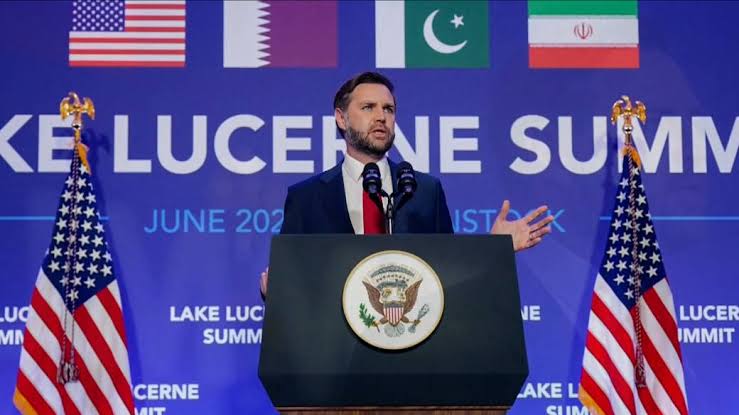
US President Donald Trump has once again reached for a familiar lever, expanding his travel ban to seven additional countries, including Syria. The White House insists the move is essential to protect national security and public safety, citing weak vetting systems in the targeted states. But scratch the surface and an old contradiction reappears: policy pulling one way, rhetoric tugging another.
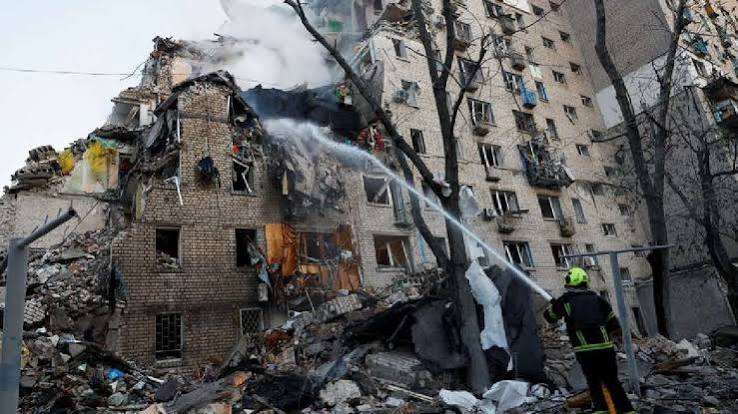
Only weeks ago, Mr Trump was praising Syria’s rebel leadership and hinting at American support. Today, Syrians as a whole are barred from entering the United States. Even the administration admits that Syria lacks an adequate central authority to issue passports, an admission that rather gives the game away. If the state itself is fragmented, how exactly does punishing ordinary civilians make America safer?
The security rationale, when examined closely, does not pass the smell test. Long-term data show that between 1975 and 2017, the odds of an American being killed by a foreign-born terrorist were roughly one in 3.6 million per year.
Across the political spectrum, refugee advocates describe the ban as a thinly veiled attempt to demonise people solely for where they come from. National security, if it is to mean anything, requires precision, intelligence-sharing and lawful oversight.
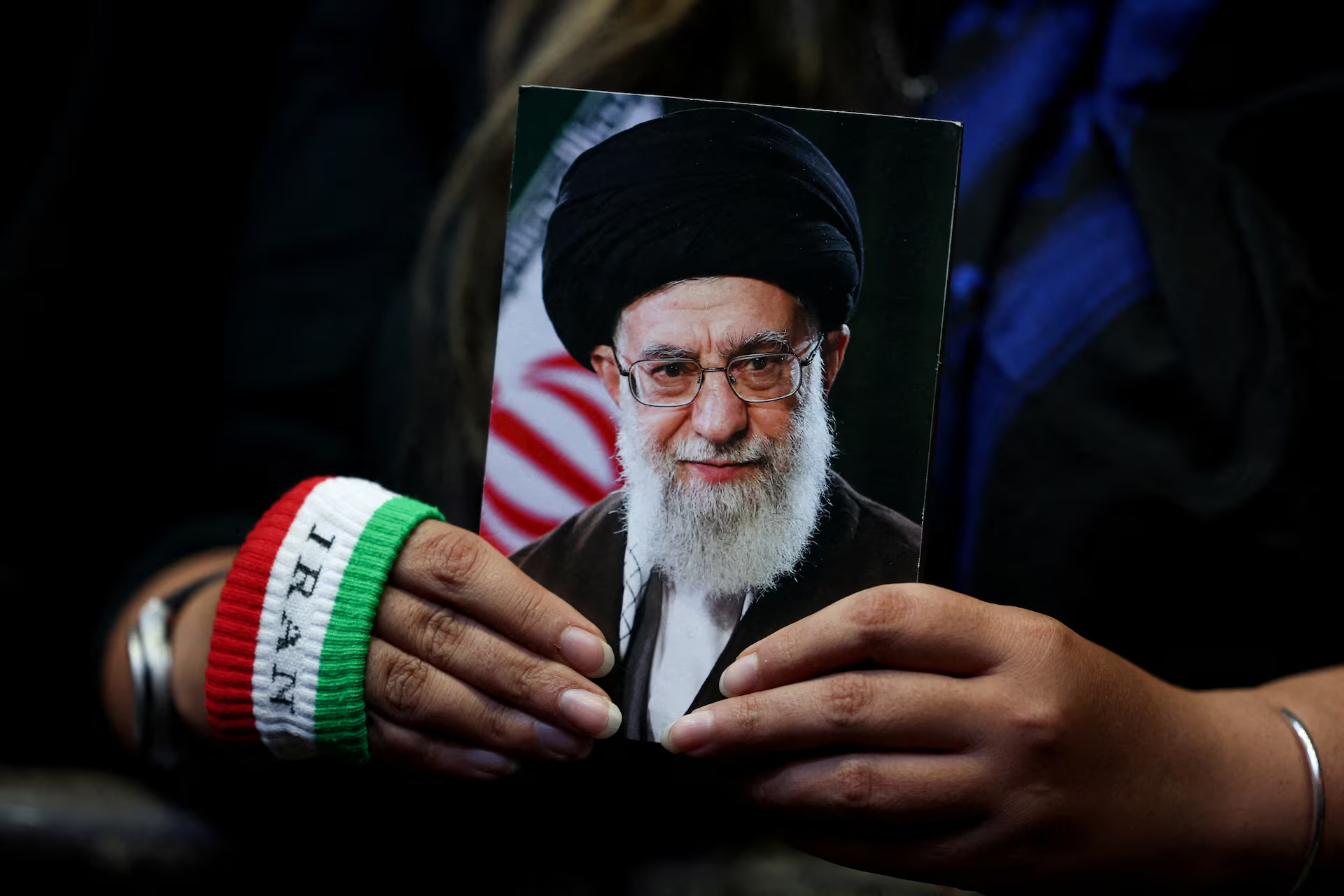
The economic fallout is no small matter either. Trump’s first travel ban reduced foreign arrivals by about four per cent, costing the US economy an estimated $4.6 billion in just one year. Notwithstanding lost revenue, such restrictions also thin out talent pipelines. In recent years, countries such as Iran have sent a steady stream of graduate students to American science and technology programmes–students who power research labs, innovation hubs and future industries. In closing its doors, the US may find that the costs are borne at home as much as abroad.
One need not look further than reported requests by US military commanders during the previous ban to remove Iraq from the list because it undermined counterterrorism cooperation on the ground. The damage may be harder to quantify culturally and morally, but it is no less real. With more than 110 million displaced people worldwide, the US has long projected itself as a refuge for the persecuted. Slamming the door on the world’s most vulnerable does not project strength. On the contrary, it fuels xenophobia and erodes America’s moral authority.
Should other powers respond in kind (through reciprocal bans or restrictions), the result could be global travel fragmentation that disrupts trade, education, and people-to-people exchange.
Understandably, for US allies, this moment is a warning. The writing is not just on the wall. It is screaming out loud. No country is immune to sudden scapegoating. Mr Trump’s governance increasingly appears shaped by personal grievances rather than constitutional restraints, a pattern that unsettles friends as much as it emboldens critics.
No one benefits from chaos. Millions of families, global businesses, and international institutions have a stake in a stable, open system. The US still has time to rethink the direction it is taking. But time, as history has a habit of reminding us, rarely waits for anyone.