Five heavily-armed gunmen crossed into Tajikistan on Wednesday and killed two border guards before dying themselves. It was the third such raid in recent weeks. Dushanbe’s border agency has publicly accused the Taliban government of failing to meet its international obligations on border security, while its demand for a formal apology from Kabul remains unanswered. The silence signals a growing impatience across Central Asia with the Taliban’s inability-or unwillingness-to curb militancy spilling beyond Afghanistan’s borders. The stakes are equally high for Pakistan, and the message remains just as clear: if the Afghan government cannot rein in militants, the repercussions will be borne by its neighbours. Within its own borders, Pakistan’s security forces continue to confront Tehreek-i-Taliban Pakistan (TTP) networks with grim regularity. Thursday saw our troops valiantly thwart an ambush in North Waziristan’s Mir Ali district after an hour-long exchange of heavy fire. In separate operations, the military’s media affairs wing reported the killing of 10 terrorists in Dera Ismail Khan and Balochistan, including Dilawar, a ring-leader carrying a Rs 4 million bounty. These men were actively plotting attacks on security forces and civilians. Still, such tactical successes underline, rather than diminish, the scale of the threat. Pakistan’s score on terrorism has climbed, with the Global Terrorism Index 2025 ranking it second worldwide as militant attack deaths jumped 45% year-on-year. An Islamabad-based think-tank reported over 2,500 Pakistani casualties from militancy in 2024, making it one of the bloodiest years in a decade.
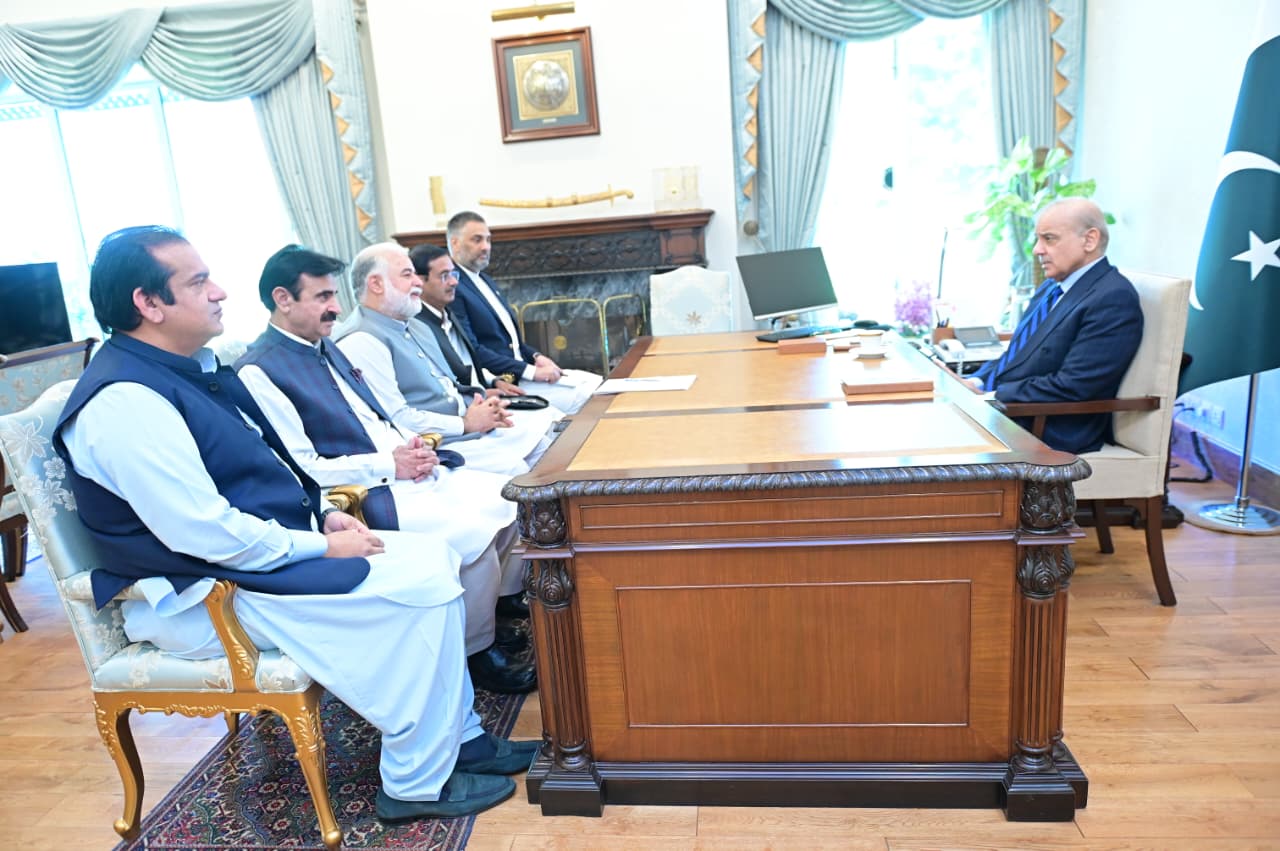
Prime Minister Shehbaz Sharif has stated bluntly that Pakistan’s most lethal militant threats originate from across the Afghan border, arguing that fighters and planners operate with impunity inside Afghanistan. The central problem remains unchanged: so long as the Taliban’s ideological and logistical ecosystem survives, the TTP will not disappear. As long as Kabul tolerates TTP sanctuaries on its soil, Pakistan’s counterterrorism fight will grow harder, costlier, and more destabilising. Diplomatic efforts have yielded little progress, with recent talks in Istanbul failing to break the deadlock.
The shift in Afghan delegates’ stance on dismantling TTP bases illustrates the systemic issues underpinning this impasse. The Taliban’s reliance on the TTP for internal security makes any meaningful partnership difficult, if not impossible. However, PM Sharif has flatly warned that Pakistan “will have nothing to do with the Afghan interim government” if Kabul continues to side with terrorists. Taliban spokesmen responded not by delivering on promises, but by lecturing Pakistan to “foil” attacks and “share information” in a jarring role-reversal while militants roam Afghan valleys unchecked.
Pakistan or any other sovereign country cannot be expected to keep turning the other cheek. Tajikistan has already voiced its determination to protect its borders “by all means,” and Pakistan will likewise be compelled to act to secure its own frontier if diplomatic channels remain barren. For the Taliban to claim even the most basic mantle of responsible governance, they must address the rampant militancy that has taken root within Afghanistan’s borders. The current state of affairs cannot continue.