Dr. Ayyaz highlights rising operational, structural pressures threatening competitiveness
LAHORE
Pakistan’s textile and apparel sector continues to be the backbone of the country’s export economy, contributing significantly to foreign exchange earnings and employment. However, industry warns that rising costs, structural challenges, and operational disruptions are placing severe pressure on the sector, risking both export growth and global competitiveness.
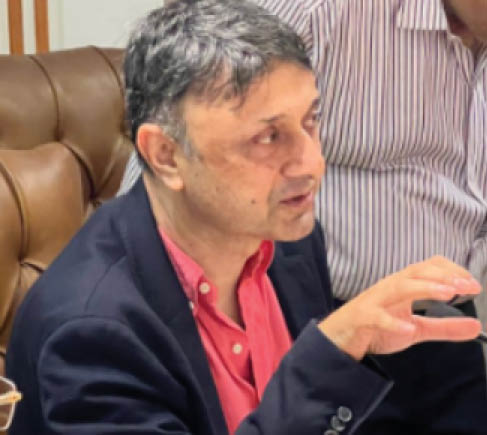
The Pakistan Readymade Garments Manufacturers and Exporters Association (PRGMEA) Regional Chairman Dr. Ayyaz Uddin emphasized that immediate and targeted policy measures are essential to sustain the sector’s performance. According to export data for July–November 2025, national exports fell by 6.4% overall. In contrast, textile and apparel exports reached USD 7.84 billion, recording a 2.8% growth and accounting for 61% of total exports. Value-added segments, including apparel and made-ups (HS 61–63), grew by 5%, whereas traditional textile segments (HS 50–60) continued to struggle due to upstream supply chain challenges.
Dr. Ayyaz Uddin expressed concern over the recent slowdown in November 2025, noting that weakening global order pipelines and increasing price sensitivity in international markets are combining with domestic constraints to create operational difficulties. He pointed to uncompetitive energy tariffs, rigid labour costs, tax frictions, and limited access to affordable financing as key structural pressures undermining export growth.
In response to ongoing operational challenges, PRGMEA has urged the Federal Board of Revenue (FBR) to grant a three-week extension for sales tax filing and payment. The association highlighted that severe logistical disruptions caused by transport strikes are delaying the movement of goods, documentation, and account reconciliation, especially from upcountry mills to port cities. PRGMEA argued that these delays are beyond the control of registered taxpayers, urging the FBR to consider an extension to prevent penal consequences and ensure timely compliance.
Dr. Ayyaz Uddin reiterated the urgent need for regionally competitive energy tariffs and the provision of timely tax and cash-flow relief to support export-oriented units. He also emphasized the rationalization of labour costs in line with productivity improvements and the implementation of targeted incentives to promote the growth of value-added segments.
Additionally, PRGMEA called for the revitalization and modernization of upstream textile production, alongside the establishment of a stable and predictable export-focused policy framework. Such measures, the association argued, are critical to maintain Pakistan’s position in global textile and apparel value chains.
“Pakistan’s apparel sector has shown remarkable resilience despite severe headwinds,” Dr. Ayyaz Uddin said. “However, immediate policy support, operational relief, and logistical stability are essential to protect exports, sustain employment, and secure the country’s long-term competitiveness.”
Industry experts say that the government’s timely intervention, particularly in easing energy costs, addressing tax frictions, and improving logistical efficiency, will be decisive in determining whether Pakistan’s textile and apparel sector can retain its global market share and continue contributing significantly to the national economy.