Buddhist pilgrimage meditation centres can transform Pakistan into a global spiritual tourism hub: Imran Shauket
ZUBAIR QURESHI
South Korea’s senior Buddhist monk and leading Mahayana scholar, Most Venerable (MV) Jong Lim, has called for the revival of the historic spiritual route linking Taxila with Dunhuang in China’s Gansu Province, describing it as one of the most significant pathways through which Buddhism, its scriptures and artistic traditions spread across Asia.
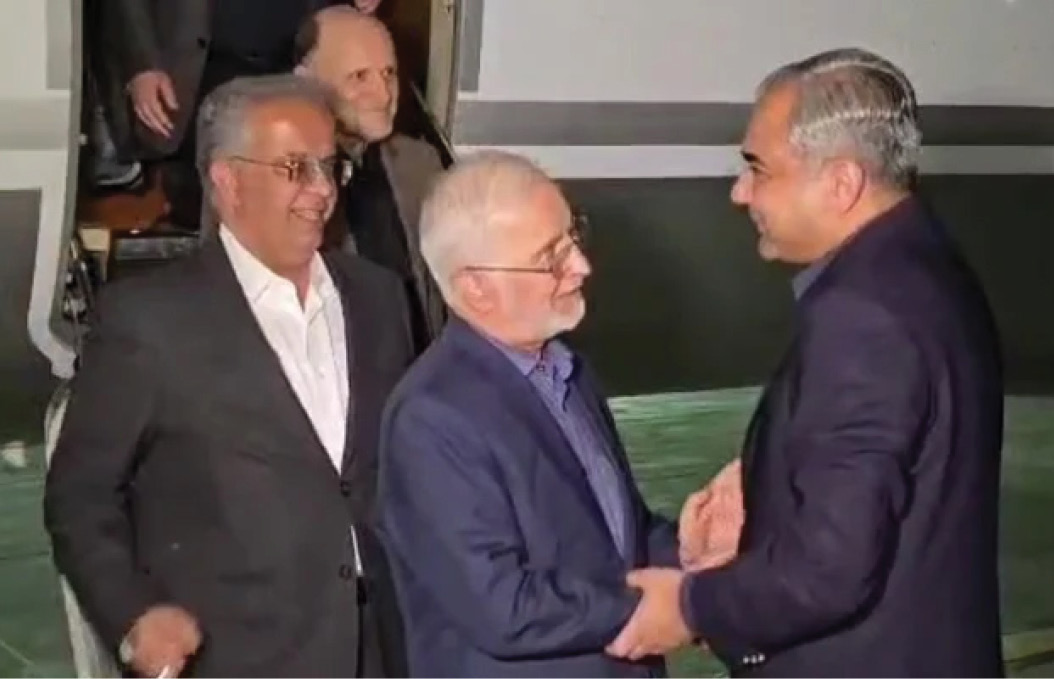
Speaking to journalists at a reception hosted in his honour by former Senior Adviser to the Ministry of Health, Government of Pakistan, and renowned promoter of Gandhara and Buddhist tourism Imran Shauket, MV Jong Lim said the ancient route once served as a bridge for Buddhist scholars who carried sacred scriptures from Taxila—the heart of the Gandhara Civilization—to Dunhuang, home to the world-famous Buddhist cave complexes.
Describing Taxila as central to Mahayana Buddhism, MV Jong Lim stressed that reviving this historic corridor would not only reconnect the Buddhist world with its origins but also strengthen cultural and spiritual ties among Asian nations.
The Korean monk is leading a delegation currently visiting Taxila, Peshawar, Gilgit and other Buddhist heritage sites across Pakistan. It includes senior monks, women monks Hyo Rok and Yoo Yeon, renowned academic Prof. Lee Jong, PhD scholar Choi Bong Ju and other scholars. The visit is being facilitated by prominent Korean Buddhist scholar and General Secretary of the Gandhara Art and Culture Association (GACA), Dr Esther Park, whose efforts have enabled MV Jong Lim to visit Pakistan ten times.
Highlighting Pakistan’s central place in Buddhist history, MV Jong Lim said Gandhara remains deeply embedded in the religious identity of the Korean Buddhists and urged greater efforts to preserve Pakistan’s Buddhist heritage while promoting it as a premier destination for international religious tourism.
Referring to the annual international conference on Buddhist art and ancient manuscripts held in Dunhuang, he invited Pakistani scholars and officials to participate regularly, saying Taxila and other Buddhist sites in Pakistan are regarded as the birthplace of Buddhist art where some of the earliest Buddhist manuscripts were discovered.
MV Jong Lim, who led the pioneering global digitisation of Buddhist manuscripts during the 1990s, recalled that the famous Gilgit Manuscripts—among the world’s oldest surviving Buddhist texts—were discovered in 1931 by local cattle grazers near Naupur village in Gilgit. He said the delegation’s itinerary also includes a visit to the historic discovery site.
Expressing gratitude to Imran Shauket for hosting the delegation, MV Jong Lim praised his sustained efforts in promoting Buddhist tourism and building links between Pakistan and Buddhist communities from South Korea, Thailand, Japan, Nepal, Taiwan and Sri Lanka.
Earlier, welcoming the delegation, Imran Shauket said religious pilgrimages to Taxila and other Buddhist heritage sites could significantly strengthen Pakistan’s cultural diplomacy while generating substantial revenue for the country’s economy.
He appreciated MV Jong Lim’s pioneering work in digitally preserving Buddhist manuscripts scattered across the world and shared his vision of establishing simple meditation centres in Taxila and other heritage sites.
“We do not need massive budgets or luxurious infrastructure. Buddhist monks seek peace, simplicity and a spiritual environment. Basic meditation facilities in serene surroundings would be enough to attract pilgrims from Korea, Japan, Thailand and many other countries,” Imran Shauket said.
Supporting the proposal, MV Jong Lim expressed hope that the dream of establishing meditation centres in Taxila would one day become a reality, saying such initiatives would reconnect Buddhists worldwide with the birthplace of their spiritual and artistic traditions.
The reception brought together scholars, tourism promoters and friends of Gandhara heritage, who emphasized that Pakistan’s rich Buddhist legacy has immense potential to promote interfaith harmony, cultural diplomacy and sustainable tourism while reviving centuries-old spiritual links across Asia.