Faheem calls for export-led policies, lower business costs, stronger private-sector participation
LAHORE
The Pakistan Industrial and Traders Associations Front (PIAF) has welcomed the improving indicators of Pakistan’s economy, saying the transition from stabilisation towards sustainable growth is an encouraging development that should now be supported through consistent economic policies, structural reforms and greater private-sector participation.
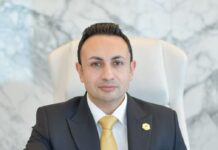
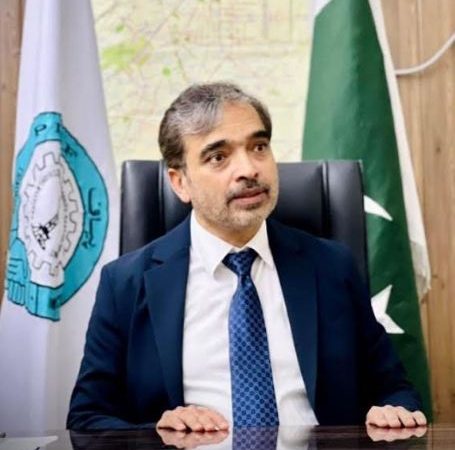
PIAF Chairman and Lahore Chamber of Commerce and Industry (LCCI) President Faheemur Rehman Saigol, along with PIAF Senior Vice Chairman Nasrullah Mughal and Vice Chairman Tahir Manzoor Chaudhry, said the State Bank of Pakistan’s assessment of improving economic stability, stronger foreign exchange reserves, rising remittances and controlled inflation provided a positive foundation for accelerating economic activity.
The SBP has projected GDP growth of between 3.5 and 4.5 per cent in FY27, following 3.7pc growth in FY26. Remittances exceeded $41 billion in FY26 and are expected to reach $44bn in FY27, while foreign exchange reserves stood at $18.4bn at the end of FY26.
Faheemur Rehman Saigol said these encouraging indicators should now be converted into sustainable economic expansion through practical and time-bound reforms. He stressed that macroeconomic stability would have lasting value only if it translated into greater industrial production, investment, exports and employment.
He said exports should remain at the centre of Pakistan’s economic strategy because sustainable export growth was essential for strengthening foreign exchange reserves, improving the balance of payments and reducing dependence on external borrowing. He called for a clear, long-term export roadmap with measurable sector-wise targets and regular monitoring.
The PIAF chairman stressed that high energy and production costs, expensive financing, delayed tax refunds and complicated regulatory procedures continue to affect the competitiveness of Pakistani businesses. The government should therefore prioritise measures that reduce the cost of doing business and enable industries to compete effectively in international markets.
He proposed rationalising energy prices for productive sectors, improving the efficiency of the power and gas systems, reducing unnecessary taxes and simplifying compliance requirements. Timely payment of legitimate tax refunds should also be ensured so that exporters and manufacturers have sufficient working capital for expansion.
Nasrullah Mughal said policy continuity was equally important for restoring investor confidence. Frequent changes in taxation, energy pricing and regulatory frameworks discourage long-term investment and make it difficult for businesses to plan. He urged the government to consult chambers and trade associations before introducing major economic measures.
He said Pakistan should also make greater use of its improving external position by encouraging productive investment rather than consumption-led growth. Investment in technology, infrastructure, skills development and industrial modernisation could substantially improve productivity and create sustainable employment.
Tahir Manzoor Chaudhry stressed the need to diversify Pakistan’s export basket and move towards higher-value products. He said greater attention should be given to engineering goods, pharmaceuticals, processed foods, information technology, agriculture-based products and other emerging sectors alongside the traditional textile industry.
The PIAF vice chairman also called for stronger trade and economic diplomacy to open new international markets for Pakistani products. Better market intelligence, branding, quality certification and support for participation in international trade fairs could help local businesses develop a stronger presence in global value chains.