Fuel protest
Hafiz Naeem’s warning follows JI’s call for nationwide shutter-down strike on September 3
Lahore
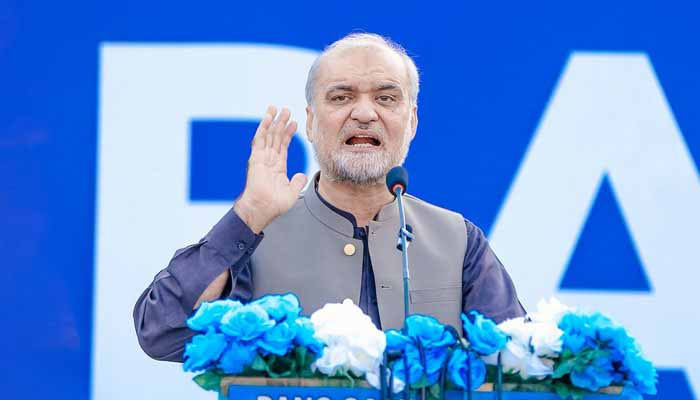
Jamaat-e-Islami (JI) Emir Hafiz Naeemur Rehman on Sunday warned of staging sit-ins in Rawalpindi and Islamabad if the administration denied permission for the party’s public gathering at Liaquat Bagh.
The JI’s sit-ins in provincial capitals against the petroleum development levy and rising fuel prices, launched on August 16, have entered their 15th consecutive day.
The party has also announced a nationwide shutter-down strike on September 3 against the petroleum development levy as it steps up pressure on the government. Addressing a press conference in Lahore, Hafiz Naeem accused the administration of employing delaying tactics and refusing to grant permission to hold public gathering in Rawalpindi’s Liaquat Bagh.
He warned that the authorities would be responsible for any consequences if they failed to change their approach.
He said a public gathering would be held in Rawalpindi later in the day and that he would also meet members of the business community. Hafiz Naeem added that his party was succeeding in raising public awareness and mobilising people on key national issues.
The JI emir expressed concern over the country’s law and order situation, saying terrorist incidents were increasing and the younger generation was becoming increasingly disillusioned, contributing to a growing brain drain. Criticising the government’s economic policies, he said income tax was being collected primarily from salaried individuals while excessive taxation was placing further pressure on ordinary citizens.
The JI protests come amid growing public concern over rising fuel prices, inflation and soaring electricity bills. Supporters have been staging sit-ins since August 16 outside the Punjab chief minister’s residence in Lahore and governor houses in Karachi, Quetta and Peshawar. The federal government is facing mounting pressure over successive fuel price increases and their impact on inflation.
The pressure has intensified after authorities shifted from a 15-day fuel price review to a daily mechanism amid volatility in global oil prices following renewed hostilities in the Middle East.
The fuel price dispute has also triggered protests and demands from transporters and petroleum dealers.