Nisar says repeated tariff hikes threaten competitiveness, economic recovery
Islamabad
The Federation of Pakistan Chambers of Commerce and Industry’s (FPCCI) Businessmen Panel (BMP) has strongly opposed the proposed recovery of Rs36.54 billion from electricity consumers through the September 2026 bills, warning that another increase in power costs would further weaken trade and industry, accelerate inflation and place an additional burden on households already struggling with high energy prices.
The BMP said the proposed monthly fuel adjustment of around Rs2.52 per unit, arising from higher generation costs in July, should not be passed on to consumers without a comprehensive review of the factors responsible for the increase. It urged the government and the National Electric Power Regulatory Authority (Nepra) to protect consumers and businesses from repeated tariff shocks and address the structural weaknesses of the power sector instead.
The Central Power Purchasing Agency-Guarantee (CPPA-G), representing the distribution companies, has sought recovery of the difference between the reference fuel cost of Rs7.0929 per unit and the actual cost of Rs9.6112 per unit during July 2026. Nepra has reserved its decision on the proposed adjustment.
The BMP observed that the proposed increase comes at a particularly difficult time for businesses, as industrial and commercial consumers are already paying substantially higher electricity costs compared with competing economies in the region. Any further increase would raise the cost of production, transportation and essential goods, ultimately placing the burden on consumers across the economy.
The business panel said the government should examine whether expensive imported fuels are being used efficiently and whether cheaper indigenous alternatives can be utilised wherever technically possible. The Karachi Chamber of Commerce and Industry has similarly urged authorities to consider greater use of locally available furnace oil where feasible instead of costly LNG, besides reviewing the levy structure on furnace oil.
The BMP stressed that Pakistan cannot achieve sustainable economic growth by repeatedly increasing electricity tariffs whenever generation costs rise. Instead, the government must reduce dependence on imported fuels, improve the efficiency of power generation and transmission, control line losses and electricity theft, and accelerate investment in cheaper domestic sources of energy.
The panel also warned that the proposed monthly fuel adjustment could coincide with other tariff changes, creating a much larger cumulative burden for consumers. The expiry of the Rs1.98 per unit relief under the April-June quarterly adjustment and the expected upward quarterly adjustment for the third quarter could significantly increase the effective cost of electricity from September.
The BMP said such a situation would be particularly damaging for export-oriented industries, small and medium enterprises and manufacturers, which are already operating under severe cost pressures. Higher electricity bills would reduce their ability to compete in international markets while also discouraging investment and expansion.
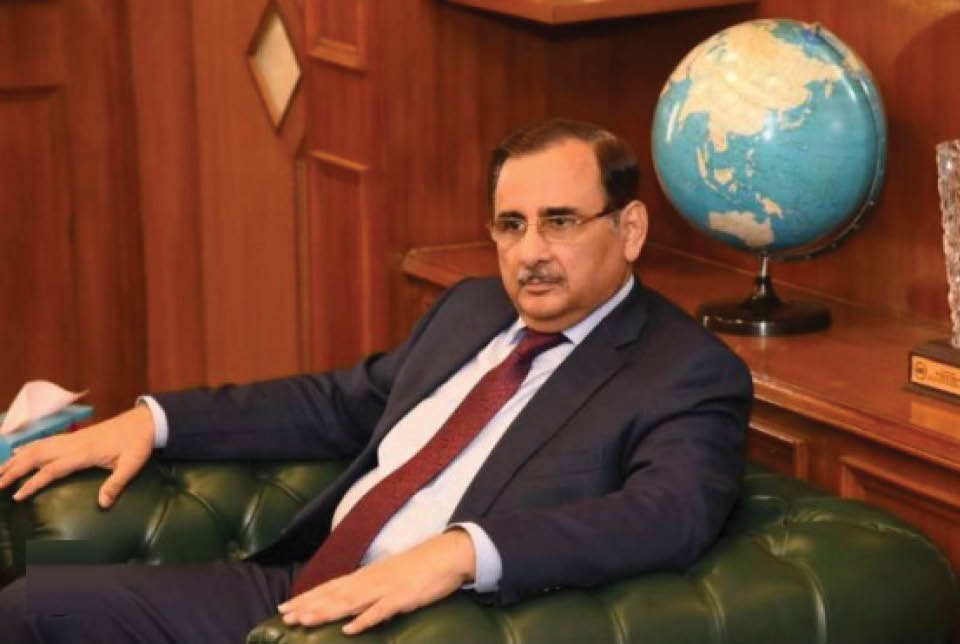
Former FPCCI president and BMP Chairman Mian Anjum Nisar said the repeated use of fuel adjustments and other tariff mechanisms to recover rising power-sector costs was creating an unsustainable cycle in which consumers were continuously asked to pay for structural weaknesses in the electricity system.
He said affordable and reliable energy was essential for restoring industrial growth, increasing exports and creating employment. Instead of imposing fresh financial burdens on consumers, the government should focus on bringing electricity prices down through better energy planning, greater reliance on indigenous resources and reforms in distribution companies.
Nisar pointed out that the BMP had repeatedly highlighted the dangers posed by high energy costs. In recent months, the panel has opposed additional power-sector burdens, called for greater utilisation of low-cost hydropower and criticised policies that increase reliance on expensive imported energy. The BMP has also warned that excessive energy and petroleum levies are contributing to inflation and increasing the cost of doing business.
He said the prolonged closure of the Neelum-Jhelum Hydropower Project was another example of the economic cost of losing access to comparatively cheap domestic electricity. The project’s prolonged outage has increased reliance on thermal generation and imported fuels, adding pressure to generation costs and electricity tariffs.
Nisar stressed that Pakistan needed a long-term energy strategy centred on affordable domestic generation rather than short-term tariff adjustments. Hydropower, solar, wind and other indigenous resources should be developed alongside measures to improve the efficiency of existing power plants and transmission infrastructure.
The BMP chairman urged Nepra to carefully examine the CPPA-G request before allowing any additional burden to be transferred to consumers. He said the regulator and the government must take into account the wider economic consequences of higher electricity prices, particularly their impact on industrial production, exports, inflation and employment.