ZUBAIR QURESHI
‘The Islamabad innovators’ has highlighted the potential of smart technology to transform groundwater management in the capital as a U.S.-supported project aimed at protecting the city’s groundwater aquifer concluded with a call for stronger monitoring, coordination and sustainable water management.
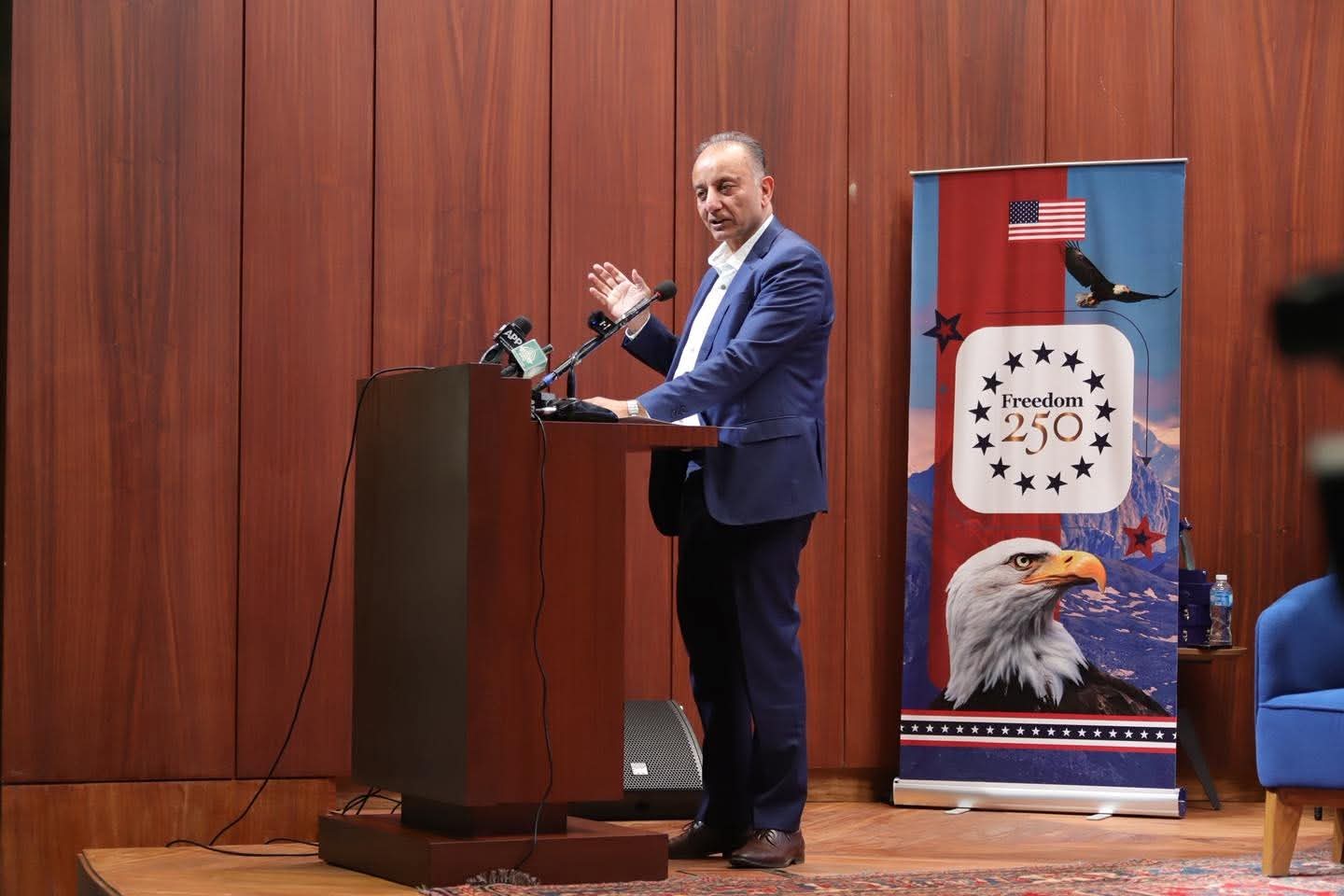
ScaleX Technologies Pvt. Ltd. marked the completion of its Alumni Engagement Innovation Fund (AEIF) 2025 project, “Protecting Islamabad’s Groundwater Aquifer,” at a closing ceremony attended by Federal Minister for Climate Change and Environmental Coordination Dr Musadik Malik and U.S. Acting Deputy Chief of Mission Andy Halus.
The project, led by ScaleX team members and U.S. exchange alumni Adnan Faisal and Sayaf Arbab, was supported by the U.S. Mission to Pakistan in partnership with the Pakistan-U.S. Alumni Network (PUAN).
In collaboration with the Capital Development Authority (CDA), the team equipped two existing groundwater recharge sites with smart monitoring systems capable of tracking groundwater recharge, groundwater levels, rainfall and selected water-quality parameters in real time.
The initiative demonstrated how technology can make groundwater recharge more measurable and transparent while providing data that could assist authorities in making better-informed decisions about the management of the capital’s increasingly important water resources.
Presenting the project’s final report and key findings, the team stressed that effective groundwater management requires more than simply establishing recharge sites. It called for a systematic approach involving appropriate site selection, sound infrastructure, continuous monitoring and regular maintenance.
Speaking at the ceremony, Dr Musadik Malik underscored the importance of smarter management of both surface and groundwater, particularly in view of the recent heavy rainfall and flooding in Islamabad.
He said around 200 millimetres of rain had been recorded in the capital, the highest rainfall in three years, resulting in flooding in several areas. He stressed that proper management of available water resources was essential to protect communities and ensure sustainable water availability.
The minister also emphasized the need to encourage innovative solutions and greater private-sector participation in tackling environmental and climate-related challenges.
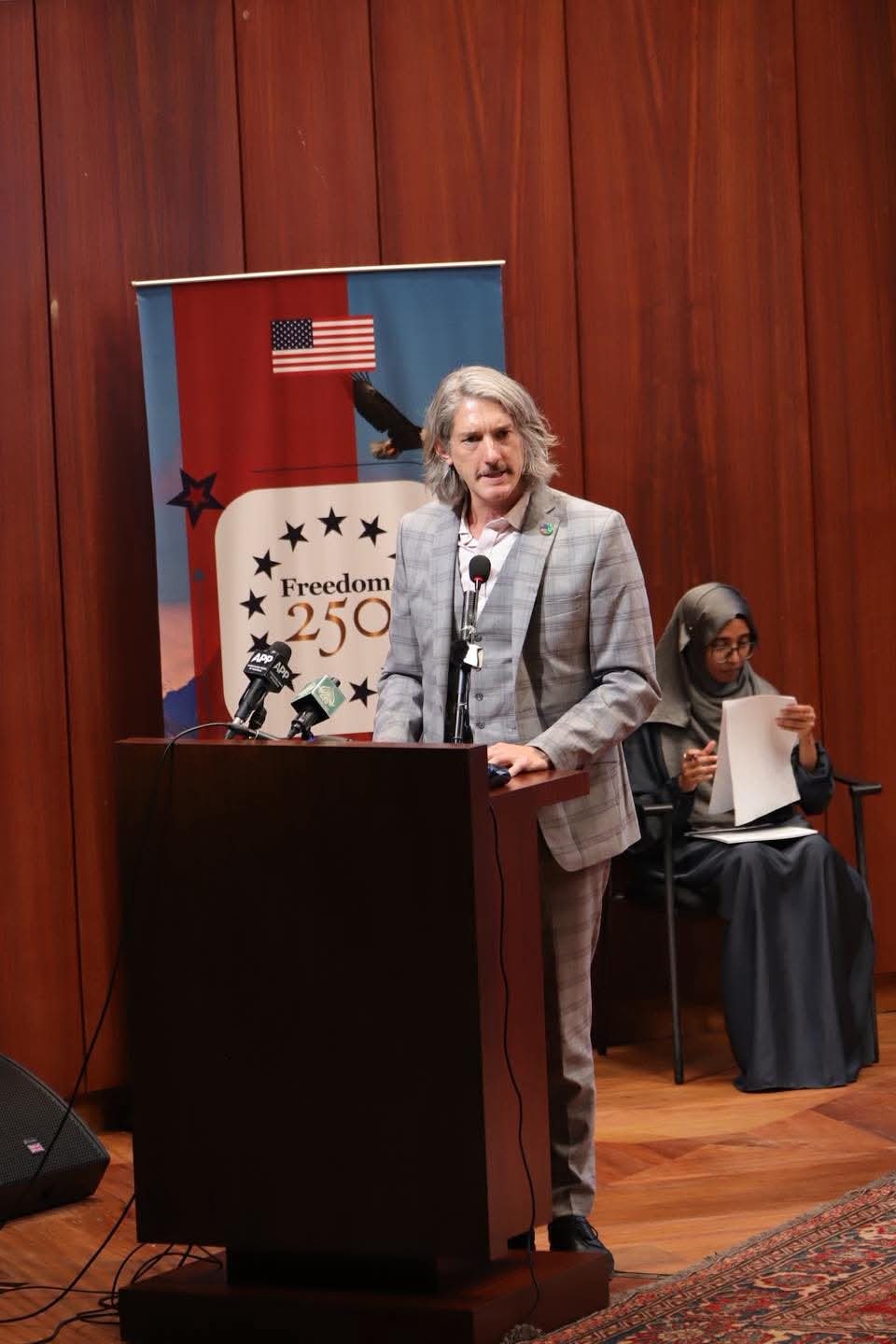
U.S. Acting Deputy Chief of Mission Andy Halus praised the initiative, describing it as an example of how American innovation and expertise could contribute to addressing Pakistan’s water challenges.
“This project reflects the best of American innovation,” Halus said. “By working hand-in-hand with U.S. water experts, ScaleX and TiE have shown how U.S. technology, innovation, and expertise can directly help secure Islamabad’s water future.”
The closing ceremony brought together representatives from government institutions, industry, donor and development organizations, academia and the private sector.
Participants discussed the importance of building stronger institutional coordination and developing future partnerships to ensure that Islamabad’s groundwater is treated as a shared and increasingly critical resource.
The project’s findings also highlighted the importance of moving from conventional, largely reactive approaches to groundwater management towards systems based on continuous data collection and evidence-based planning.
With growing pressure on urban water resources and increasing climate variability, stakeholders said technology-enabled monitoring could provide authorities with a clearer picture of groundwater conditions and help improve the planning and maintenance of recharge infrastructure.
The initiative thus offered a practical demonstration of how collaboration among government, the private sector, international partners and local innovators could contribute to building greater climate resilience and securing Islamabad’s water resources for the future.