islamabad
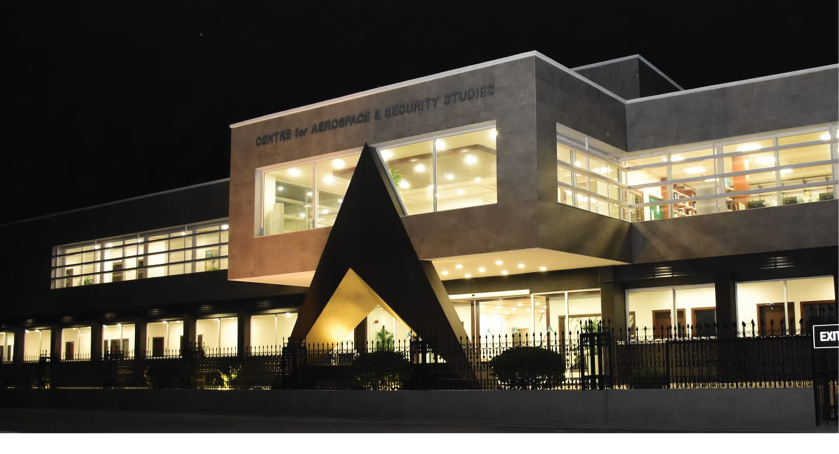
The Centre for Aerospace and Security Studies (CASS), Lahore, organised a roundtable discussion titled “The Islamabad-Dhaka Reset: Reshaping the Narrative through Trade, Media and Diplomacy” on 11 November 2026. As an independent think tank, CASS Lahore regularly organises academic engagements that bring together scholars, practitioners, and policymakers to deliberate on critical regional and international security issues. The event was attended by academics, intellectuals, and domain experts. Dr Hassam Ahmed Siddiqi, Senior Research Associate at CASS Lahore, delivered the opening address.
Prof Dr Aalia Sohail Khan, Country Director of the American Institute of Pakistan Studies, highlighted the importance of educational cooperation in rebuilding bilateral relations between Pakistan and Bangladesh. Drawing lessons from countries that have reconciled following periods of conflict, she emphasised that academic exchanges, student and faculty mobility, joint research, and institutional partnerships could serve as sustainable avenues for bilateral engagement. She particularly stressed the need to move beyond the formal signing of memoranda of understanding towards tangible and mutually beneficial academic collaborations. She also underscored the importance of strengthening education–industry linkages to translate academic cooperation into practical economic opportunities, promote skills development, and foster stronger institutional and people-to people connections.
Raja Amer Iqbal, President, District Board of Management, Technical Education and Vocational Training Authority (TEVTA) highlighted the diplomatic and economic opportunities presented by the evolving political landscape in Bangladesh. He emphasised the potential for expanding bilateral trade, improving direct cargo connectivity, encouraging joint ventures, and exploring cooperation through the Bangladesh-China-Pakistan trilateral mechanism. He also identified non-tariff barriers, regulatory restrictions, customs delays, and logistical challenges as major impediments to expanding bilateral trade. Stressing the importance of commercial feasibility and private-sector engagement, he called for enhanced media collaboration and effective diplomatic facilitation through improved visa arrangements to create a conducive environment for advancing bilateral relations.
In his concluding remarks, Dr Shahid Razzaque, Director at CASS Lahore, observed that the evolving geopolitical landscape had created renewed opportunities for Pakistan and Bangladesh to rebuild their bilateral relationship. He highlighted the importance of institutional cooperation, trade facilitation, maritime connectivity, direct air links, and private-sector engagement.