Over 5,000 cervical cancer cases reported annually in Pakistan, 3,000 deaths
JAVED KHAN MOHMAND
PESHAWAR
Around 2.9 million girls aged 9 to 14 will be vaccinated in Khyber Pakhtunkhwa from Nov 2 to 14 under a province-wide campaign aimed at preventing cervical cancer.
The campaign will target 2,934,481 girls, constituting around 6.7 per cent of the province’s total population of 43.68 million.
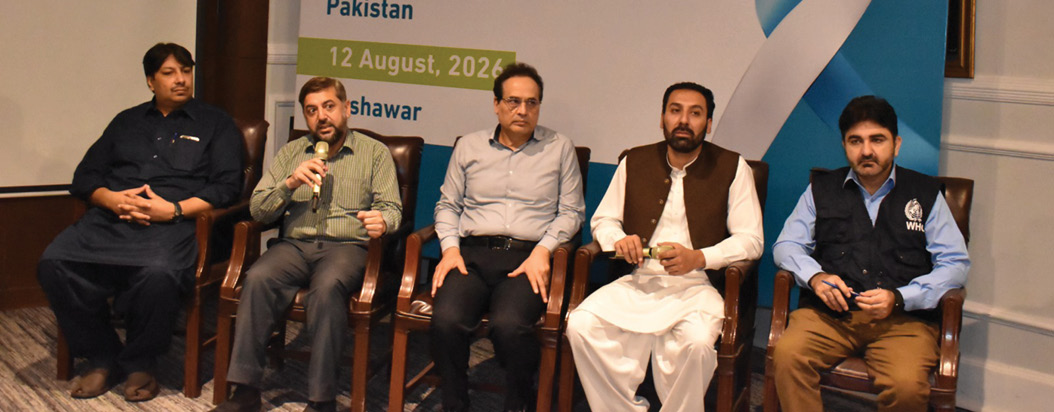
Details of the campaign were shared at a one-day orientation session for media representatives organised by the Health Department through the Expanded Programme on Immunization (EPI), KP. Deputy Director EPI Mehtab Khan, WHO consultant Dr Rizwan, UNICEF representative Dr Kamran Qureshi, Deputy Director Communication EPI Dr Muhammad Ayaz and representatives of the Paediatric Association attended the session.
Dr Ayaz said mass awareness was essential to ensure that the maximum number of eligible girls were protected from the disease. He urged journalists to disseminate accurate and scientifically supported information to parents and communities ahead of the vaccination drive.
WHO consultant Dr Rizwan said more than 5,000 cases of cervical cancer were reported annually in Pakistan, with around 3,000 deaths. He said cervical cancer was the third leading cause of cancer among women in the country.
He cautioned that the actual number of cases could be considerably higher as the available figures were based on data from only 17 health facilities providing cancer treatment services. The country also had a very low screening rate of less than one per cent, he added.
Dr Rizwan said timely vaccination and regular screening could significantly reduce the burden of cervical cancer. He also stressed the need for media outlets to use news reports, television and radio programmes and digital platforms to spread reliable information and address public concerns.
UNICEF representative Dr Kamran Qureshi said vaccination against cervical cancer had already been introduced into national immunisation programmes in around 162 countries and was incorporated into Pakistan’s national immunisation programme in September 2025.
He said the upcoming campaign would cover girls in schools and religious seminaries, while community health workers would reach out-of-school girls at their homes.
All female District Education Officers and District Health Officers had been taken on board to facilitate the campaign at educational institutions, while health teams at union council level would support vaccination teams, he said.
The Health Department officials on the occasion urged the media to play an effective role in creating public awareness about the importance of vaccination and countering misinformation.
To address parental hesitancy, Refusal Conversion Committees would be constituted to engage with parents who initially refused vaccination and respond to their concerns, the added.
They stressed that close coordination among the Health Department, healthcare professionals, development partners and media would be crucial for the successful rollout of the campaign and for protecting girls from cervical cancer.
According to the WHO, cervical cancer is a type of cancer that develops in the cervix, the lower part of the uterus (womb) that connects to the vagina.
There are more than 200 types of HPV, but types 16 and 18 are considered high-risk and are responsible for a significant number of cervical cancer cases, it said.