PESHAWAR
Water and climate change experts on Thursday called for better management of transboundary rivers to cope with growing water scarcity, frequent droughts and increasing heat waves due to climate change. The experts also stressed on remodeling of water distribution and irrigation infrastructure to save water resources in future.
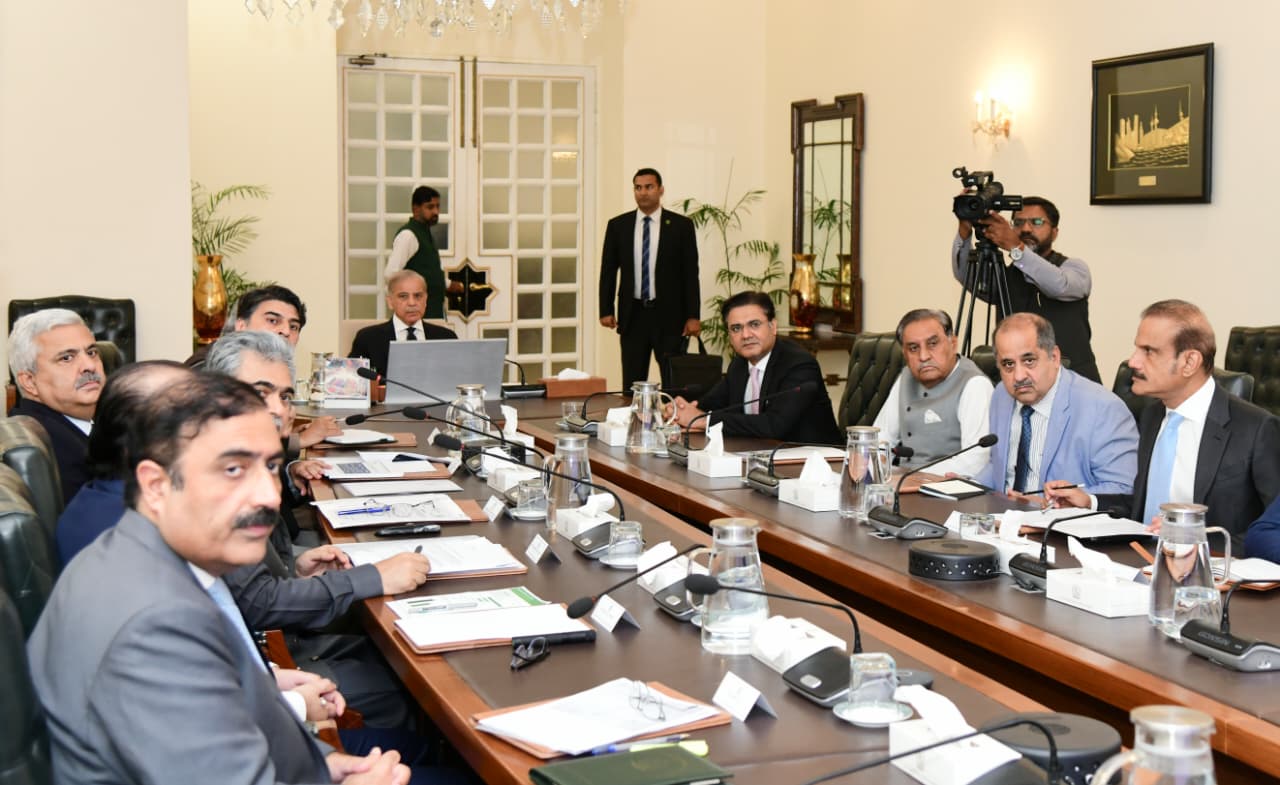
The seminar titled, “Hydro-Climatic Modelling on Transboundary Waters,” organized by the International Water Management Institute (IWMI) and University of Agriculture Peshawar declared depleting water resources and outdated infrastructure causes of loss of water and called for urgent tangible and implementable steps if Pakistan wanted to escape the catastrophic impacts of climate change.
Muhammad Nawaz (Water Resource Development Expert) from USAID highlighted the importance of such seminar activities and also detailed about the USAID interests in Pakistan water sector. He further added that USAID funded the Pakistan 3rd Largest water storage capacity that is Gomal Zam Dam. In this project USAID and government of Pakistan worked together.
Later, presenting a precarious situation of water sector, Vice Chancellor of the university Dr. Jehan Bakht said that Pakistan was 10th country in the world badly affected by climate change.
“Fast growing population, unplanned urbanization, deteriorating drought shapes, sudden heat waves causing massive floods are threatening our existence,” he said. On old and outdated irrigation system, he said that Pakistan was utilizing 90 percent of available water for irrigation purposes of which 50 percent of water was lost due to flood irrigation.
He maintained that Pakistan was 14th among the 17 highly risked countries where 80 percent of its population would face severe water scarcity. “Pakistan has the lowest productivity ratio out of per cubic meters of water, just five dollars as compared to Malaysia and China which is generating over 55 dollars.
Dr Asif Khan, a water and climate change expert, discussed various aspects, causes, impacts, ways out of looming climate change and growing water scarcity at Indus River Basins, Kabul River Basin and its sub-basins.
Speaking about the vulnerability of Pakistan to climate change, Dr Asif said if there was rise of two degrees Celsius in the world’s temperature, there would be a four to five degrees increase in temperature of Pakistan that would lead to prolonged droughts and severe flash floods. “In worst case scenario, it would threaten Indus basin civilization,” he claimed.
Talking about urgency of accords of data sharing on transboundary rivers, he emphasis on effective data sharing system between India, Pakistan, Afghanistan, and China over its transboundary rivers for better management of water. “Pakisan must construct small hydro-power projects upstream to mitigate impacts of floods that was not only reducing storage capacity but damaging infrastructure,” he said while talking about depleting storage capacity of major dams.
Dr Shahid Iqbal, who is working as Regional Researcher water modeling at IWMI, said hydrological modeling selection and its judicial use in data scarce region is very tricky and highly important in the modern era. Now it’s time that we must adopt new methods to improve the water resource management under changing climate. Dr Iqbal introduced the Soil and Water Assessment Tool (SWAT Hydrological Model) to the experts from various departments who were present as participants. Various aspects of the hydrological model were explained, the audience took great interest in overall activity and appreciated the initiative taken by IWMI to conduct such seminar activities in collaboration with Academia and line departments.
Towards the end of activity Chief Engineer South Mr. Nasir Ghafoor Khan asked to arrange separate training sessions on how to use the hydrological models for ungauged basins how the output of these modeling tools can be used effectively to design the flood protection works in various un-gauged canals, major and minor tributaries in KP.