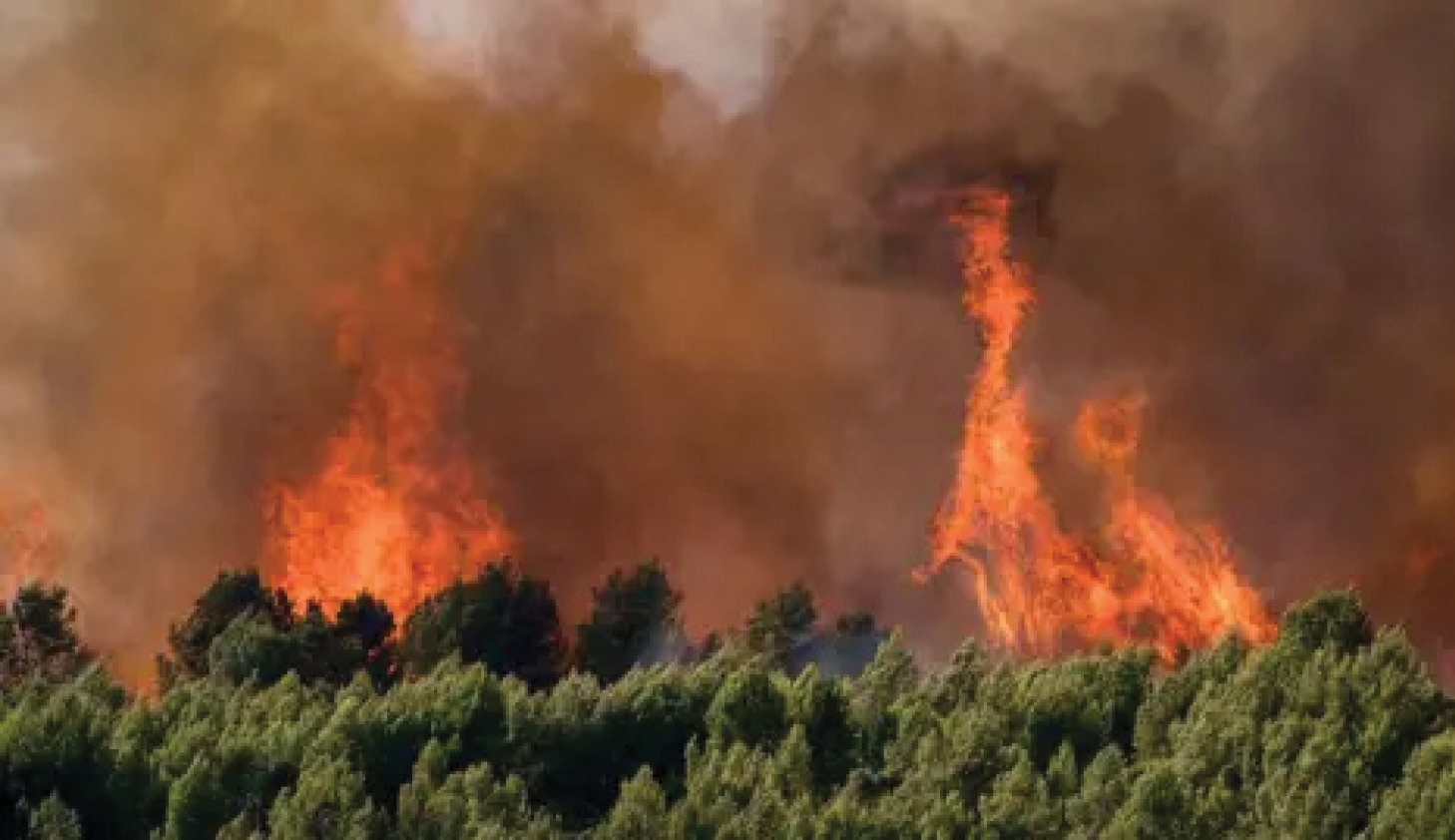
Pakistan is not accountable for global greenhouse emissions, a group of specific gases that trap heat in the atmosphere. However, it is still one of the most vulnerable countries to extreme weather caused by climate change.
With the world’s fifth-largest population, the country’s share in global emissions is less than 0.8pc.
Now the question arises that being a tiny carbon footprint state compared to developed states like China and the United States, which account for about 38pc of global emissions, it has been facing the worst consequences of the climate crisis.
According to the UN Development Programme’s representative in Pakistan for the recently concluded moot in Geneva, climate-induced disaster in the shape of floods that submerged a third of the country last year left more than 1700 people dead and affected over 300 million others. While the international community has pledged more than 9 billion dollars to help Pakistan rebuild after an unprecedented cataclysmic monsoon floods devastation, the actual need of the country to recover from the destruction is around 16 billion dollars, said Knut Ostby, UN representative in Pakistan. The country would try to ensure the remaining amount through its domestic resources.
After experiencing the historical impact of extreme weather, Pakistan needs to work on the major driving forces which constantly put pressure on its environment and ecosystems. The recent climate-induced disasters have created numerous challenges to the country’s sustainability.
Continuous deterioration of the environmental trends in the country demands creative and bold actions. Adequate financial resources, lack of modern technology, inadequate capacity, unsustainable consumption of natural resources, population increase, poverty and inequity are the significant factors behind the emerging climate crisis in the country.
Since the climate crisis and environmental damage caused by human activities will stay there for centuries, Pakistan needs to take protective measures such as adaptation and mitigation in relevant sectors of the economy. Authorities should focused on the effects of climate change on the nation’s natural economy and emphasizes should be made on the need for the country to adapt and mitigate the impact of climate change.
Besides climate change awareness programs, governance, planning, risk management, resources, communication, and monitoring are all critical to successfully implementing the national climate change policy. Once implemented, it will open new avenues and attract international climate financing in adaptation and mitigation sectors, allowing the government to achieve sustainable development and resilience against natural disasters. Securing the country’s fragile economy in the coming challenging environment should be the key priority of the incumbent government. As climate change poses critical and significant challenges to a country’s economy, bold and creative climate actions must be taken to avert riverine floods, stormwater, glacial bursting, heat strokes, droughts and other vector-borne diseases.