Tehran urges Brics nations to condemn Mideast war as superpowers discuss Iran in Beijing
TEHRAN/NEW DELHI
Iranian Foreign Minister Abbas Araghchi has stated that the Strait of Hormuz remains open to all commercial vessels, provided they cooperate with Iranian naval authorities and follow designated routes.
The announcement, originally tied to a ceasefire in Lebanon, underscores Iran’s position on maintaining maritime traffic through the critical chokepoint even as tensions persist in the Gulf. Araghchi emphasized use of coordinated safe lanes announced by Iran’s Ports and Maritime Organization, while military vessels remain restricted.
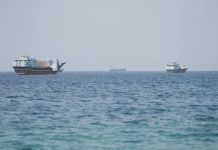
The development comes as the UK Maritime Trade Operations (UKMTO) reported on Thursday that a vessel was seized by unauthorized personnel while at anchor approximately 38 nautical miles northeast of Fujairah, UAE. The ship is now heading toward Iranian territorial waters, according to the agency. UKMTO is investigating the incident, which occurs near key oil export facilities amid ongoing maritime security concerns in the region.
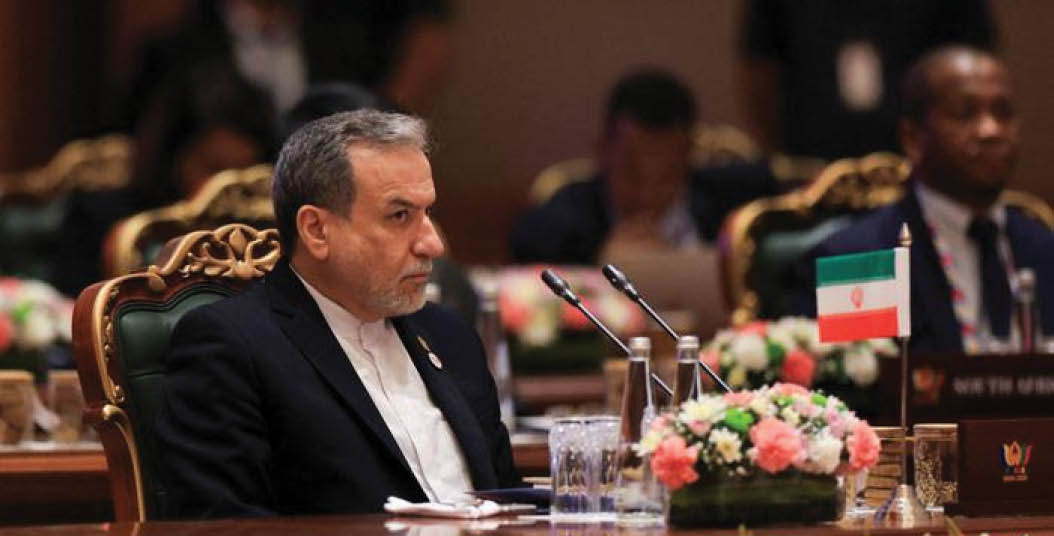
Separately, Iran has called on fellow BRICS members to jointly challenge what it describes as “international law violations” by the United States and Israel. The appeal comes as Iranian Foreign Minister Abbas Araghchi attends the BRICS Foreign Ministers’ meeting in New Delhi, India (May 14–15, 2026), where regional stability is a key agenda item.
Iranian officials, including Foreign Ministry spokesperson Esmaeil Baghaei, have highlighted BRICS condemnations of U.S.-Israeli military actions, framing them as breaches of the UN Charter and threats to global order. Tehran is pushing for stronger collective statements from the bloc, which includes newer member Iran alongside major powers like China, Russia, and India.
The Strait of Hormuz, through which a significant portion of global oil passes, has been a flashpoint in recent months. Iran’s statements aim to reassure commercial shipping while maintaining its security oversight in the waterway.These developments reflect the complex interplay of diplomacy, maritime security, and multilateral efforts within BRICS as the broader U.S.-Iran-Israel tensions continue to influence global energy and trade routes.