Sajjad Ahmad Khan
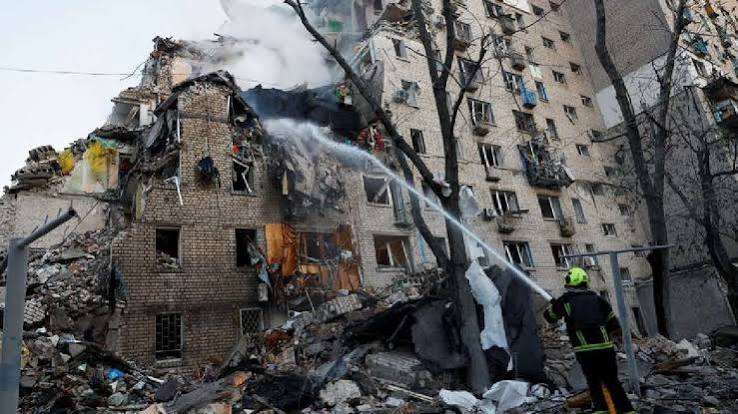
Pakistan has been burning in the furnace of terrorism for the past several years. The man-made virus, called terrorism, has done away with a large number of innocent people and security personnel. Pakistan endeavoured with the whole nine yards to rub out this evil through different tactics, including military operations, community mobilization and information gathering; but the intended best outcomes weren’t obtained. In addition, the government has passed legislation to crack down on terrorism financing, which is one of the vital signs of a non-state actor. Since terrorism has not been completely expunged, the situation continues to take a dark turn.
Indeed, Pakistan faces challenges in its fight against terrorism due to its complex geography, including strained relations with Afghanistan and India. Operation Radd-ul-Fasaad (RuF), was launched in February 2017 to root out terrorism and achieve the desired objectives in terms of improving internal security situation. With the trust of the nation and the professionalism of the armed forces, Pakistan successfully defeated the scourge. The police have also been battling militants for years, with more than 2,100 officers martyred and 7,000 injured since 2001, and still straining to prevent fresh onslaughts. The non-state actors’ plan is different this time around, and they want to make the general public believe that they have nothing to do with the them and are just after the security services. They conclude (in their mind) that by harming the populace, they will never be able to gain any sympathy of the people.
We have to give up the traditional method of warfare since the present wave of terrorism is severe and based on novel techniques. To tame these negative components, we must adopt a holistic and an all-inclusive approach. Practically speaking , the lock stock and barrel eradication of terrorism in-one-go is a long row to hoe. In fact, the Afghan Taliban and the TTP are bound in a well-made rope of interests, which is the fundamental driver behind the might of the two. In the past 20 years the TTP has abundantly abetted Taliban, whenever they were found stuck in a tight corner. The fact is that there is support for the TTP within the Taliban of Afghanistan. If action is taken against the TTP at the top level, there is a risk that the TTP may join hands with ISIS. If it happens as we have pointed out, then the situation can take the form of a double-edged sword. Bottling the genie of terrorism is not an easy task. Because terrorism is a complex and multifaceted problem, it requires a comprehensive strategy and long-term commitment. The fearsome thunderbolt weapons of the military or law enforcement agencies drove away this black dragon, but could not eradicate it. We must remember that terrorism has its roots in the structure of the political, social and economic system. A long-term, multi-pronged strategy comprising collaboration and coordination among national and international stakeholders is compulsatory to address the core causes of terrorism, such as poverty, political persecution, and religious extremism. Despite its protracted battle against terrorism, Pakistan is arraigned on various international forums for not pounding back hard enough. The US has frequently stated its worry and claimed that Pakistan serves as a safe haven for both the Afghan Taliban and the Haqqani network. Reports say the day terrorism is a projectile from the hideouts located in Afghanistan and controlled by the Taliban. To deal with the threat of terrorism and extremism in Pakistan, the National Action Plan (NAP) was prepared and proposed as a panacea. Although its implementation is loaded with scads of remonstrances, the implementation of this framework is indispensable for pulling the strings of this unbridled horse. With this new wave of terrorism, it seems that the government has not yet been able to fully implement the National Action Plan (NAP) designed to counter terrorism. The NAP has not been a complete success due lack of citizen ownership to implement the plan, ambiguity around the concept of terrorism, and the absence of one solid national narrative on terrorism.
If my memory serves, in the beginning of 2022, the opposition parties expressed serious concerns over the rising incidents of terrorism and accused the PTI administration of failing to implement the NAP and rising terrorism. How long we will entangle ourselves in this blame game and hide our heads in the sand like ostriches? We have to stand side by side to save the country. But unfortunately, we are running amok to reach the corridors of power. We have no idea which way the country is leaning? Now its the turn of PTI, being out of the ring, to blame the PML-N for not throwing rocky punches at terrorists.
One of the notable accomplishments under the revised plan of NAP was the merger of the federally administered tribal areas in KP, however, even this did not produce the expected outcomes. We will be able to reap the benefits of FATA merger only when the most backward areas are brought at par with other developed regions of the country. Plus, it is assured that the area is no longer the pew of militants and their facilitators. The latest development is that a legislative Committee has requested the army to talk to the TTP ring leaders. Thus, it becomes apparent that our Parliament is a useless toy that can’t make decisions on its own. Can the Parliamentary Committee have the audacity to reveal the topics of discussion with these monstrous people?
If we look into the past, it is clear to us that the negotiations between the army and the terrorist groups have never yielded good results. A deal was negotiated in Shikai in May 2004 with Nik Muhammad, the South Waziristan tribal rebel leader. He agreed to stop attacking Pakistani security personnel and government property, and in exchange, the government promised to compensate him and free any captives. The agreement lasted for a brief stent and soon breathed its last.