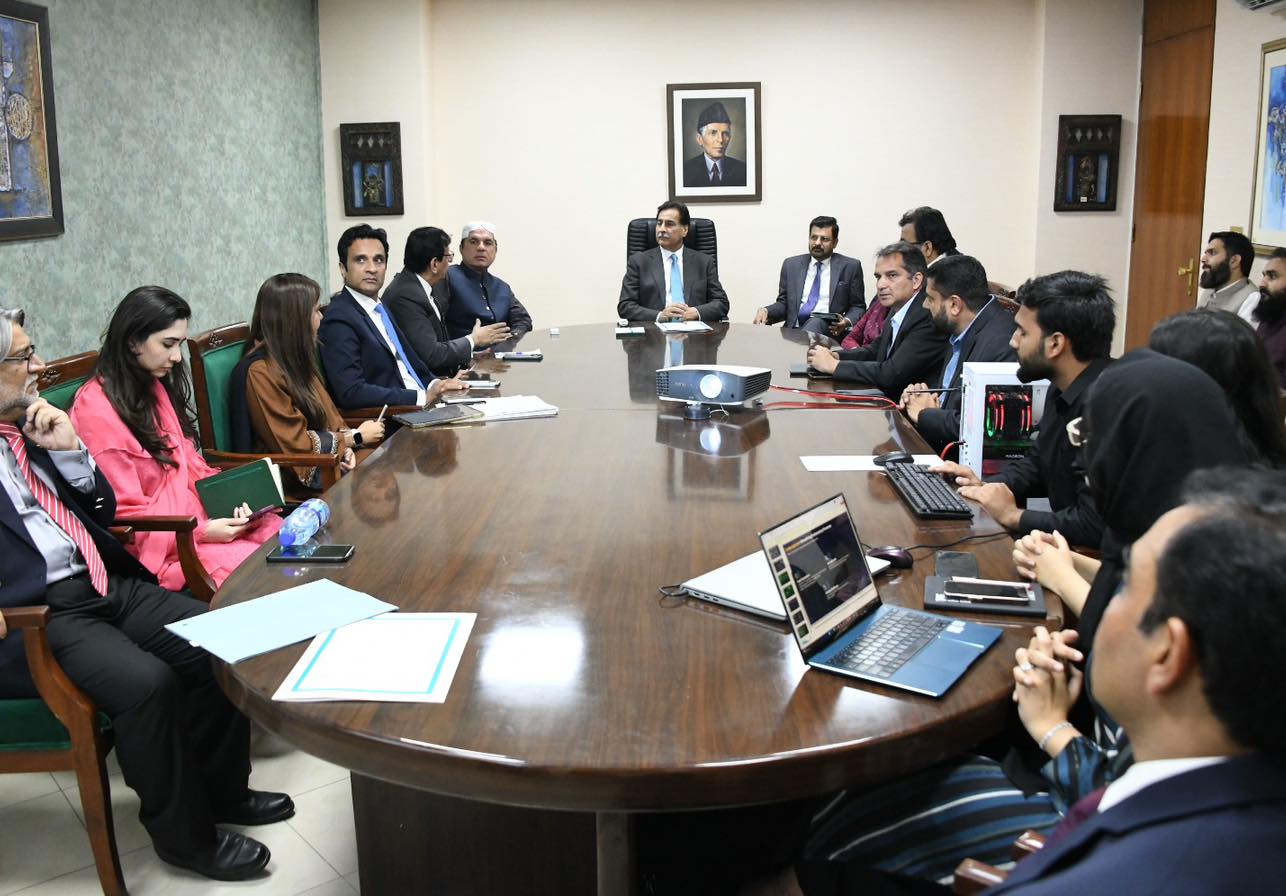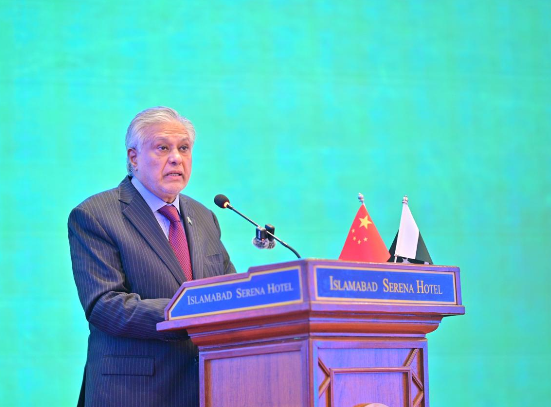
Special Assistant to the Prime Minister (SAPM) on Industries and Production Haroon Akhtar Khan said Wednesday that Pakistan and China are jointly shaping the region’s digital and economic future through innovation, technology and long-term strategic cooperation.
Speaking at the inauguration of the IBI Pakistan Digital Economy Headquarters, he said the two countries’ relationship is based on trust, consistency and a shared vision for regional development and prosperity.
The SAPM said the global economy is rapidly changing and countries that fail to adopt digitalisation risk being left behind.
He said Pakistan is entering a new industrial era driven by artificial intelligence, e-commerce, automation and digital connectivity, with the government focused on modernizing industry and strengthening technological infrastructure.
The special assistant said Pakistan’s ongoing transformation reflects “focused leadership, relentless efforts and strategic clarity” under Prime Minister Shehbaz Sharif, adding that effective leadership is defined by how it responds to challenges.
The SAPM said government measures have helped stabilize the economy, restore international confidence and strengthen Pakistan’s economic credibility.
Referring to recent regional tensions, Haroon Akhtar said the leadership demonstrated by prime minister and Field Marshal Syed Asim Munir reflected Pakistan at its best, where engagement, dialogue and wisdom were preferred over escalation and provocation.
He said their efforts helped steer the region away from a wider crisis at a critical moment.
On economic policy, Haroon Akhtar said the government is pursuing industrial revival, value addition and private-sector growth under the National Industrial Policy. He said the National Tariff Policy is aimed at reducing the cost of doing business and improving the investment climate.
He also said the Regulatory Guillotine initiative is removing unnecessary hurdles, while approval systems are being digitized and simplified. “Pakistan is laying out red carpets, not red tape, for investors,” he said.
He noted that China’s technological and manufacturing expertise combined with Pakistan’s strategic location and young population creates strong potential for economic growth. He added that Pakistan seeks long-term, transformative partnerships focused on jobs and sustainable development rather than short-term gains.
Haroon Akhtar expressed confidence that the new digital economy headquarters will become a key platform for trade, investment and digital transformation, as Pakistan advances reforms and invests in its youth.