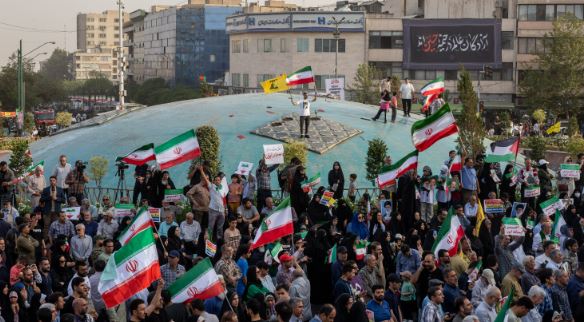
A shutter-down strike is being observed by traders in parts of the country today, prompted by steep electricity bills and inflation, both of which have reached unprecedented levels.
The strike is a continuation of the ongoing protest demonstrations led by traders and the public in various cities. Fuelled by their frustration with inflated power bills, people had taken to the streets in recent days against unbearable price hikes and inflated bills.
Last month, the power regulator raised the national average tariff by around Rs5 per unit, pushing the base unit power tariff from Rs24.82 to Rs29.78. On Aug 22, the government once again sought to raise the power rate by Rs3.55 per unit.
However, reacting to the outrage during interaction with journalists a day ago, Caretaker Prime Minister Anwaarul Haq Kakar called it a “non-issue”, insisting that it was being raised by some political parties as a “tool” in their election campaigns.
“It is not a very serious issue, but political parties are in election mode and using it as a social cause,” the interim prime minister had told senior journalists and news anchors on Friday.
Earlier this week, Jamaat-i-Islami also called on traders and citizens to participate in today’s strike in Karachi in protest against the escalating inflation.
JI spokesperson Zahid Askari said that the strike was being conducted “peacefully” today. He mentioned that transporters had voluntarily suspended their operations.
Askari also claimed that none of the party workers were resorting to violence in any part of the city to force the closure of businesses, adding that transport on the roads was also thin in response to the strike call.
Likewise, Atiq Mir, the chairman of All Karachi Tajir Ittehad (AKTI), stated that the organisation had issued a call for a two-day shutter-down strike yesterday and today to protest against the inflated electricity bills and the overall surge in inflation.
“We also conveyed to the shopkeepers that participation in the strike was voluntary, recognising the financial challenges faced by all of us during these trying times” .
Mir disclosed that markets were currently closed, and the full extent of the strike’s impact would become evident in the afternoon, which is when businesses typically reopen in accordance with the city’s cultural norms.