Ruqia Akhter
Inside the midst of the Israeli-Palestinian conflict, Egypt is a historic linchpin, and its role is intricately woven into the fabric of Israel and Palestine. From the Suez crisis to the contemporary battle in Gaza, Egypt’s approach to conflict reflects a dance between historical baggage, geography, and operational urgency.
Egypt’s historical involvement in the Israeli-Palestinian battle dates back to the mid-20th century. The Lavon Incident, a covert Israeli operation in Egyptian territory in 1954, was a turning point and set in motion events that shaped the region. Egypt’s response to the Soviet quest for military resources set the stage for the Suez crisis and revealed the intricate dance between global power and local authority.
After the 1967 war, Egypt’s position and Israel’s occupation of the area, including Gaza, continued to strengthen. In 1978, President Jimmy Carter was hopeful about the Camp David Accords, brokered by then US President Jimmy Carter, which outlined the principles of peace. However, tensions fluctuated over the next decade, with Egypt torn between its commitment to regional stability and its desire to find a unified approach to the Palestinian problem. Fast forward to now, and Egypt finds itself facing this dilemma amidst the current complexities of the Israeli-Palestinian conflict. The closure of the Rafah gate is indicative of the current crisis in Egypt, as the urgency of providing aid clashes with Egypt’s security concerns, raising the specter of an impending “humanitarian disaster.”
Another layer of complexity is added to Egypt’s relationship with Hamas, stemming from historic ties to the Muslim Brotherhood. As reported by Natan Sachs of the Brookings Institution, secret meetings revealed a nuanced dance in communication despite differences of opinion.
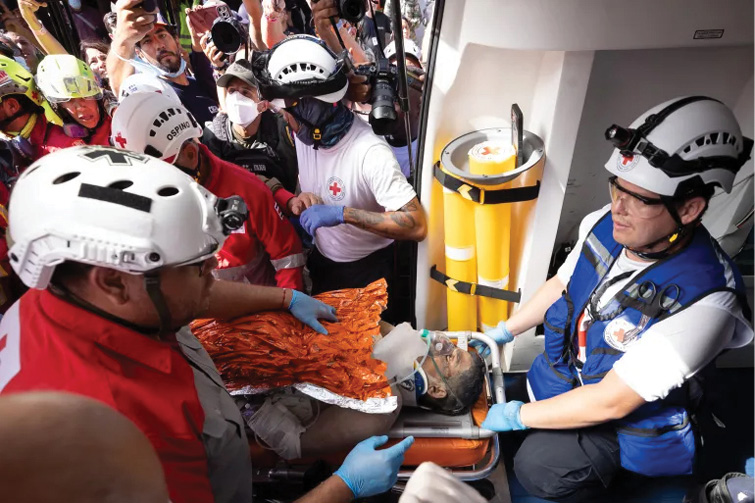
An important moment in Egypt occurs when the plane carrying medical supplies is waiting to enter El Arish Airport. The decision to open the door to prosperity is not only a geopolitical consideration but also an ethical decision. Security concerns, fears of terrorist infiltration, and internal economic struggles have left Egypt at a crossroads. A balanced relationship between humanitarian resources and local security needs to be maintained. The World Health Organization warns that for every hour the equipment remains on the Egyptian side, many lives are at risk, especially those who are vulnerable or susceptible. As negotiations continue, important questions arise: Can great powers with conflicting interests negotiate for the security of citizens, or will there be a conflict that leaves new Palestinian refugees facing uncertainty about their return to their homes? Egypt plays a vital role in this critical situation.
So what will be Egypt’s future concerning the Palestine-Israel issue? As the world looks ahead to the current crisis, Egypt’s role is in flux. The intricate dance of historical baggage and the pressing need to save lives will continue Egypt’s journey.
Egypt’s ability to make positive changes lies in its capacity to navigate difficult terrain. History must teach Egypt in the future the lessons of using its diplomatic power as a beacon of protection. With the sign of closure, the Rafah gate can now be transformed into a gate of peace and humanitarian aid.
Egypt’s role in the Israeli-Palestinian conflict epitomizes a journey through history, a geopolitical dance, and a commitment to humanity. As the country grapples with today’s challenges, the decisions it makes go far beyond its borders. Egypt stands at the crossroads of conflicts that require not only political skill but also a deep understanding of the human cost that will be faced.
Egypt’s future role in the Israeli-Palestinian war depends on its ability to strike a balance. During this difficult time, Egypt has the capacity to create a future where historical ills are cured, local conflicts are alleviated, and people are empowered. Egypt’s role in the eyes of the world is very important and ensures a vibrant and stable future for the whole region.