As the wheels of the provincial government machinery are gearing up for the forthcoming general elections, with the interim cabinet finalizing the preparations, the political landscape in Khyber Pakhtunkhwa province undergoes a transformative phase. The significance of the poll preparations extends beyond the logistical arrangements.
Khyber Pakhtunkhwa, with its diverse population and geopolitical challenges, requires a carefully orchestrated electoral process. The final touches to the preparations indicate a comprehensive understanding of the unique dynamics at play in the province. Notably, the nomination papers submission process, which was extended for two days and ended on Sunday, set a positive precedent in the province compared to other provinces of the country.
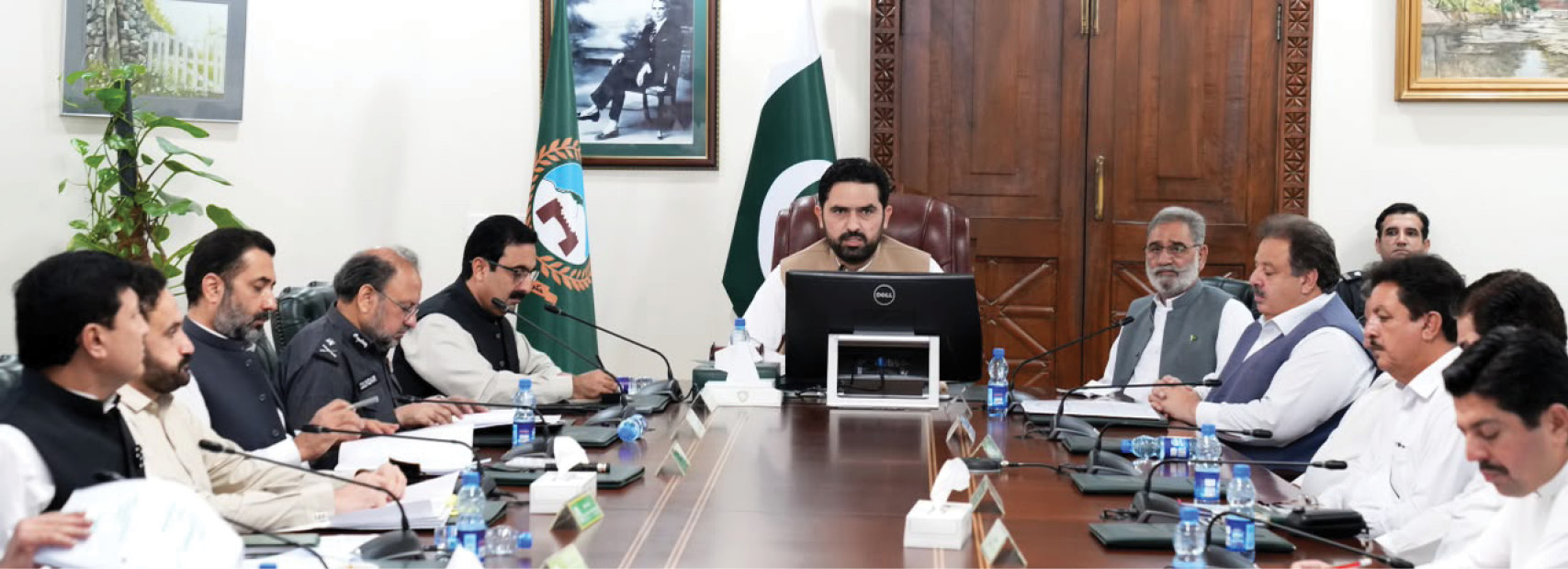
The recent cabinet meeting, dedicated to the February 8, 2024 elections, provides a much-needed impetus to political parties eagerly awaiting government directives, fostering a fair electoral environment. The identification of sensitive and snowbound polling stations underscores the commitment to ensuring secure and accessible voting.
With 55 National Assembly and 145 Provincial Assembly constituencies in focus, the province will see 15,737 polling stations, catering to a diverse electorate of 21.9 million registered voters. Strikingly, the emphasis on gender inclusivity with separate polling stations for men and women reflects a commitment to democratic principles.
According to statistics shared by the Election Commission of Pakistan (ECP), of the total of 21.9 million registered voters in KP, as many as 11.94 million are male voters and 9.98 million female voters.
As the political atmosphere gains momentum, it becomes imperative for all stakeholders, including political parties, civil society and the public to actively engage in the democratic process. The success of the elections ultimately depends on the collective responsibility of everyone involved.
While the interim government’s efforts are laudable, it is essential to remain vigilant and address any challenges that may arise during the electoral process. A continuous dialogue between the government and the people can contribute to building a resilient democratic framework that stands the test of time.
Security concerns have prompted the allocation of 100 government-designated spaces for large political gatherings, emphasizing adherence to SOPs for rallies. Augmenting security personnel from various departments and an emergency plan from the Health Department further demonstrate a comprehensive approach to safeguarding the electoral process.
A robust surveillance plan involving 11,668 CCTV cameras and the dedication of 1280 IT experts underscore the commitment to transparent and secure elections. The timeline set by the Election Commission, from nomination papers submission to polling day on February 8, 2024, ensures an organized and systematic electoral process.
In navigating the complex landscape of elections, the provincial government’s proactive measures and strategic planning are pivotal to fostering a democratic environment that upholds fairness, security and the integrity of the electoral process in Khyber Pakhtunkhwa.