Dr Qaisar Rashid
In the past, winter used to bring a sense of calm to the activities of the Taliban in general and their adversaries in particular, but not anymore. A Pakistani version of the Taliban, the Tehreek-e-Taliban Pakistan (TTP), is growing impatient with time and becoming relentless in its antagonism, signifying something sinister in store. How Pakistan will deal with the TTP menace is a million-dollar question.
Sometimes, Pakistan sees the TTP as an associate of the Afghan Taliban ruling over Kabul, while at other times, it views the TTP as an independent home-grown challenge. Regardless of the context, one thing is certain: the year 2025 is likely to bring a clamorous, blood-soaked confrontation between the two sides. To maintain friendly relations with Afghanistan, Pakistan primarily relies on the Haqqanis, who have roots in both KPK and the eastern provinces of Afghanistan. The Haqqanis are the last resort; otherwise, Pakistan has become almost irrelevant in Afghan affairs. The Kandaharis pay no heed to Pakistan. Compared to the past, when Pakistan enjoyed influence over Kabul, it now resorts to bribing Afghan nationals to safeguard its interests. Even Kabul is becoming increasingly hostile towards Pakistan.
Pakistan could not play a significant role in the reconstruction of Afghanistan, a space that India has filled by investing more than $2 billion in infrastructure development, hospital upgrades, and training Afghan forces to combat crime and terrorism. Moreover, unlike Pakistan, India is not overly assertive in Afghan affairs, understanding that Afghans are unlikely to listen to outsiders when it comes to their internal matters. Pakistan, however, still believes that given the opportunity, it can redirect Afghanistan’s destiny.
On 25 May 1997, Pakistan recognised the Taliban government as the legitimate ruling authority over Kabul. However, since the Taliban’s takeover of Kabul in August 2021 following the departure of foreign forces, Pakistan has yet to recognise the Taliban government. The difference lies in the fact that, in 1997, the Taliban took over Kabul with the help of Pakistan’s forces, whereas in 2021, the Taliban assumed control without any Pakistani assistance. This time, the Afghan Taliban ensured Pakistan’s exclusion from the Doha talks and made certain that Islamabad was neither a signatory nor a witness to any accord with the United States. This exclusion reflects the current policies of both Kabul and Washington towards Islamabad, effectively sidelining Pakistan from Afghanistan’s future.
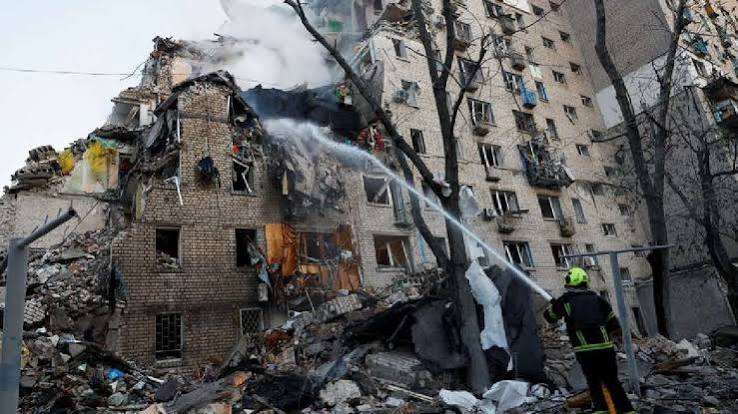
In retaliation to the TTP’s attack on Pakistan’s security forces on 21 December, Pakistan’s air force bombarded TTP hideouts in the Barmal district of Paktika province, Afghanistan, on the night of 24 December. Pakistan’s aircraft entered Afghanistan’s airspace illegally. By doing so, Pakistan inadvertently legitimised India’s violation of its airspace during the Balakot airstrike (in KPK) in February 2019, intended to target alleged Jaish-e-Mohammed training camps. In the case of Indo-Pak conflicts, international actors have intervened to de-escalate tensions, as happened previously. Such a facility, however, does not exist in the case of the ongoing Pak-Afghan conflict. Pakistan is left to address its issues with Afghanistan alone. The TTP has acted as an agent provocateur, damaging relations between Kabul and Islamabad. On 27 December, the Afghan Taliban sided with the TTP, approached Pakistan’s north-western border, and launched retaliatory attacks, declaring the assaults to have been conducted beyond the “hypothetical line”—a term used to reject the Durand Line. With the TTP’s voice now supported by the Afghan Taliban, the confrontation has left festering bad blood that may become the most significant stumbling block to amicable Pak-Afghan relations. The implications are grave. While India might seek justification to cross Pakistan’s borders in hot pursuit, Afghanistan could continue expecting Pakistan to violate its sovereignty again. This dynamic necessitates the deployment of additional troops along Pakistan’s north-eastern border with India and its north-western border with Afghanistan—a classic double whammy.
Pakistan harbours a misguided belief that the disaffection influencing Pashtun youth is confined within its borders, ignoring the potential spillover into Pashtun areas of Afghanistan. By not engaging with the Pashtun Tahafuz Movement (PTM), Pakistan has missed an opportunity to find allies who could mediate in its efforts to placate the TTP, instead of relying solely on the Haqqanis. The PTM now stands as a silent observer. This could explain why local intelligence failed to alert security forces on 21 December about the approaching TTP militants. With the PTM sidelined, leaving security forces vulnerable to TTP attacks, further escalation of the conflict seems inevitable.
All this is happening despite Afghanistan’s reliance on Pakistan’s ports for trade. With no other viable maritime access in the region, Afghanistan depends on Pakistan for sustenance and commerce. Yet, if the Afghan Taliban remain reluctant to reconcile with Pakistan, it signifies a deeply entrenched bitterness.
In conclusion, Pakistan must engage the PTM in negotiations and offer them concessions, alongside providing Kabul with a regulated trade facility through its ports to ease tensions with Afghanistan.
The writer is a freelance columnist. He can be reached at qaisarrashid@yahoo.com