Islamabad
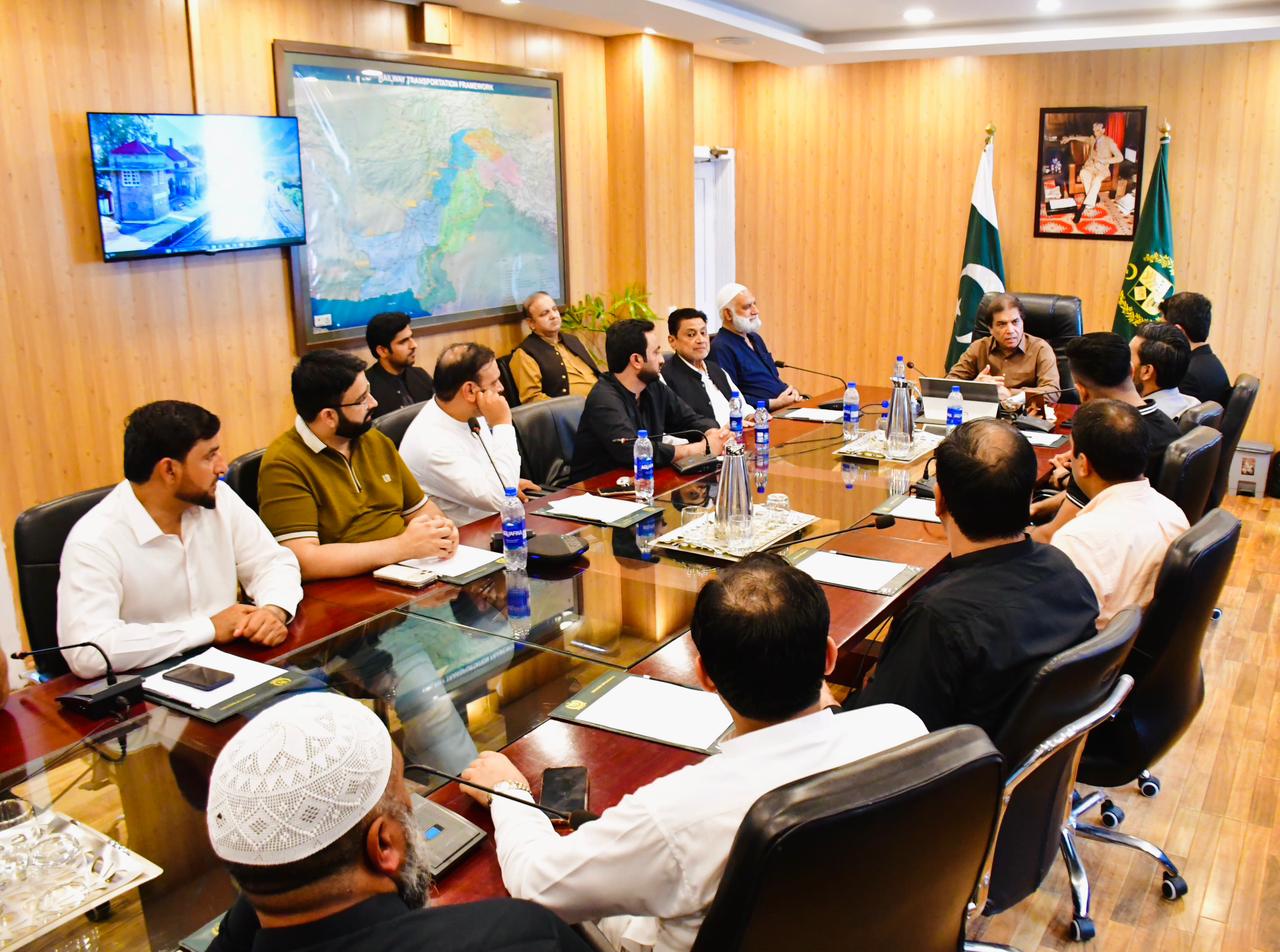
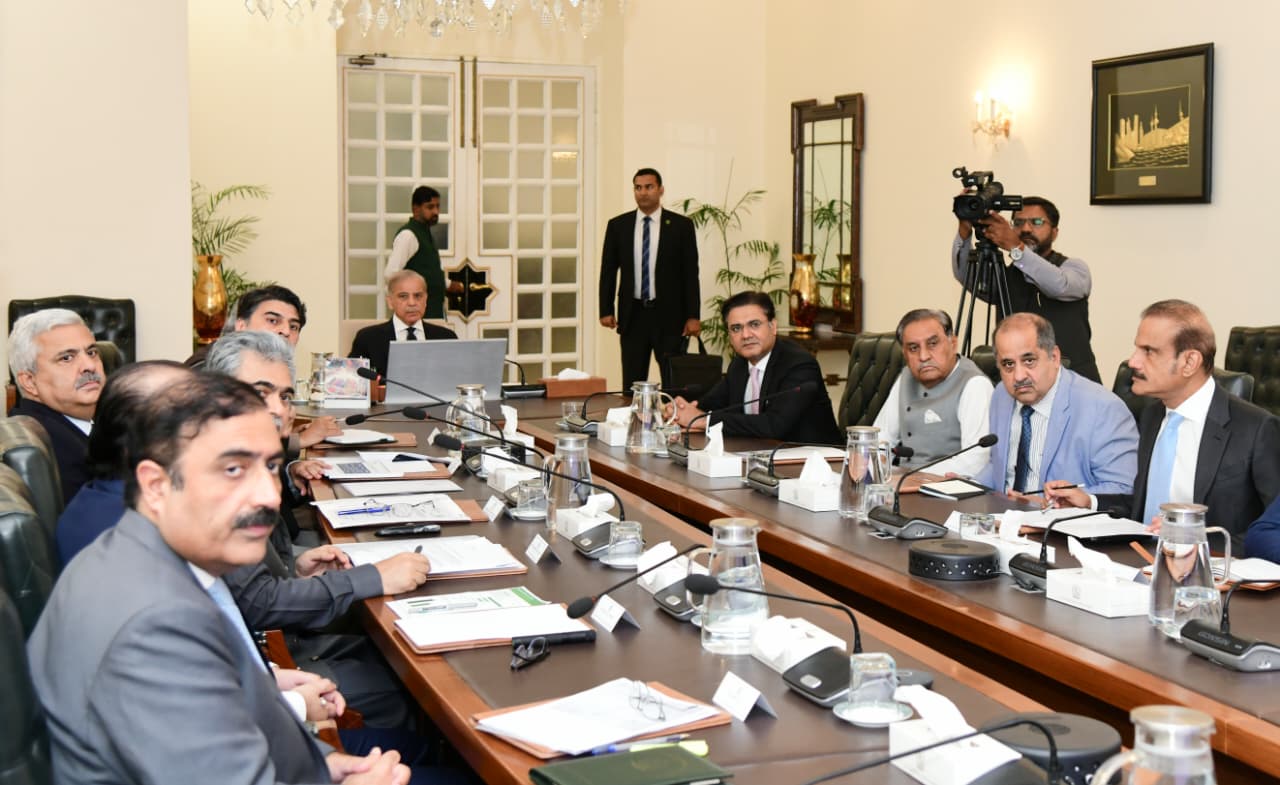
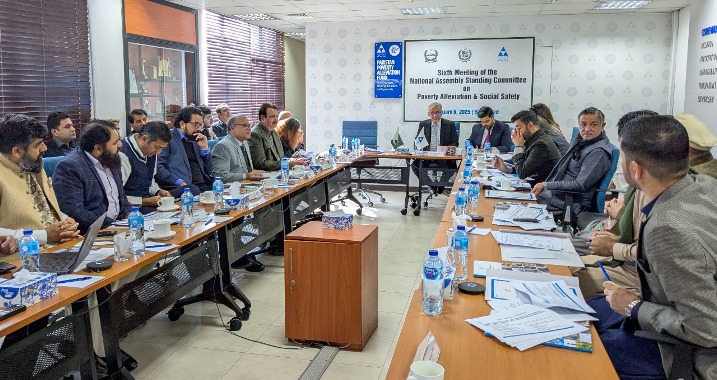
The Standing Committee on Poverty Alleviation and Social Safety convened its 6th meeting today at 12:00 noon in Committee Room, Pakistan Poverty Alleviation Fund, Plot 14, Street 12, Mauvearea, G-8/1 Islamabad. The meeting was chaired by the Honorable Mir Ghulam Ali Talpur, the session addressed vital issues to strengthen social protection systems across Pakistan. The session focused on critical issues related to strengthening social protection systems in Pakistan.
The CEO of the Pakistan Poverty Alleviation Fund (PPAF) presented an overview of ongoing initiatives, including micro-insurance schemes for agriculture and livestock, funded through government grants. These programs, active in Balochistan and Sindh, support small and medium enterprises and aim to transition 34% of BISP beneficiaries off social safety nets.
The CEO highlighted that similar mechanisms have been adopted by the UNHCR for Afghan refugee support and emphasized PPAF’s national and international recognition for its impactful contributions. Notable achievements include the skill development of 1.1 million individuals and the reconstruction of 122,000 houses following the 2008 earthquake, supported by extensive data shared with the Committee.
In response to inquiries from Committee members, the CEO committed to providing district-specific details of projects, including funding sources and NGOs involved.
The Chair directed PPAF to submit comprehensive reports, including Google Maps locations of ongoing projects, and mandated that NGOs working under PPAF collaborate with MNAs and public representatives in their respective districts.
The Committee expressed its dissatisfaction with the PPAF’s briefing materials and directed them to include comprehensive details on donor agencies against each ongoing project and address other omissions. The updates on these directives are to be presented at the next meeting.
The Committee expressed concern over the absence of government audits for PPAF since 2020. While the CEO stated that PPAF no longer utilizes public funds, the Secretary of the Ministry of Poverty Alleviation clarified that, as a Section 42 company under the Companies Act, PPAF remains subject to SECP regulations and government audits. The ministry has engaged the Ministries of Finance and Law & Justice to address the issue. The Chair directed PPAF to comply fully with audit requirements.
BISP Chairperson Ms. Rubina Khalid briefed the Committee on efforts to streamline payments through the RAAST system, with a pilot project expected to conclude by March 2025. Concerns were raised over unfilled Gazetted positions within BISP since 2011, with the Committee emphasizing the need for immediate appointments to restore institutional memory. A formal recommendation on this matter will be forwarded to the Prime Minister’s Office.
The Committee also discussed the financial challenges leading to early university dropouts. Members were informed that BISP’s Board of Governors discontinued scholarships through the HEC due to concerns over the selection process and recipient eligibility. The Committee directed BISP to devise a mechanism to ensure deserving students from BISP-listed families receive support, with a proposal to be presented at the next meeting.
Finally, the Committee requested a detailed briefing from the Ministry on the Public Sector Development Program (PSDP) at the upcoming meeting, reaffirming its commitment to strengthening poverty alleviation and social safety initiatives across the country.
The Committee was attended by the following Members of the National Assembly: Mir Ghulam Ali Talpur, Mir Khan Muhammad Jamali, Mr. Awais Haider Jakhar, Adil Khan Bazai, Mr. Muhammad Bashir Khan, Mr. Arshad Abdullah Vohra, Mr. Shafqat Abbas and Mr. Jamshaid Ahmad whereas Aseefa Bhutto Zardari, Nawabzada Iftikhar Ahmed Khan Babar attended the meeting virtually. Senior officers of the Ministry and representatives from its allied departments, including BISP and PPAF were also in the attendance.