GENEVA
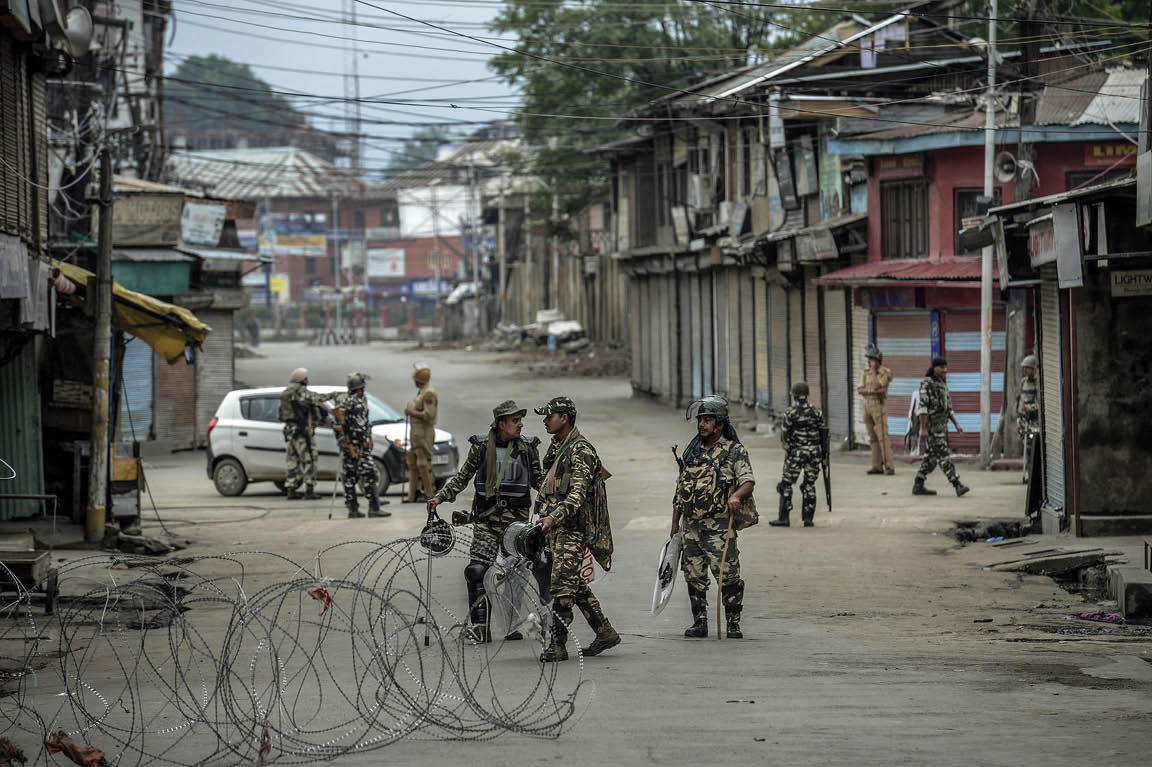
Speakers at a sideline event during the 58th session of the UN Human Rights Council highlighted the severe psychological toll of the ongoing Kashmir conflict, warning that the decades-long dispute has triggered a mental health crisis in Indian illegally occupied Jammu and Kashmir (IIOJK).
Organized by the International Muslim Women Union (IMWU), Kashmir Institute of International Relations (KIIR), and International Women and Children Union (IWCU), the event brought together prominent human rights activists, legal experts, and academicians.
In his initial remarks Chairman KIIR, Altaf Hussain Wani underlined the horrible impacts of armed conflicts on mental health of common people stating that the violent conflicts disproportionately affect vulnerable populations, particularly women and children. He pointed to widespread PTSD, anxiety, and depression among Kashmiris, exacerbated by exposure to relentless violence, displacement, and loss.
“Conflict zones breed trauma. In Kashmir, relentless repression, bloodshed, and gender-based violence have pushed mental health to crisis levels. Women and children, in particular, are enduring unimaginable suffering,” he said.
Speakers cited disturbing mental health statistics, noting that 37% of adult males and 50% of adult females in Kashmir suffer from psychological distress, with rising suicidal tendencies among youth. Children face disrupted development, lack of education, and prolonged trauma due to the perpetual state of unrest.
Experts also slammed India’s systematic use of violence and suppression in IIOJK, emphasizing that thousands of Kashmiri women have suffered torture, sexual violence, and psychological abuse at the hands of occupation forces, while tens of thousands of children have been orphaned.
Despite mental health being recognized as a fundamental human right, they lamented the lack of access to psychological care due to weak healthcare infrastructure, stigma, and inadequate policies. They urged the international community to integrate mental health services into humanitarian responses and recognize mental well-being as a core human rights issue in conflict zones.
The speakers included former member European Parliament Julie Carolyn Ward, Dr. Carrie Pemberton Ford, Executive Director at CCARHT Counter Trafficking Centre, Carolyn Handschin Moser, Ms Shamim Shawl, Stella Harris Member of Women’s Federation for World Peace, Dr. Abida Rafique and others. The event was moderated by the KIIR chief Altaf Hussain Wani.