Ashrafuddin Pirzada
LANDIKOTAL
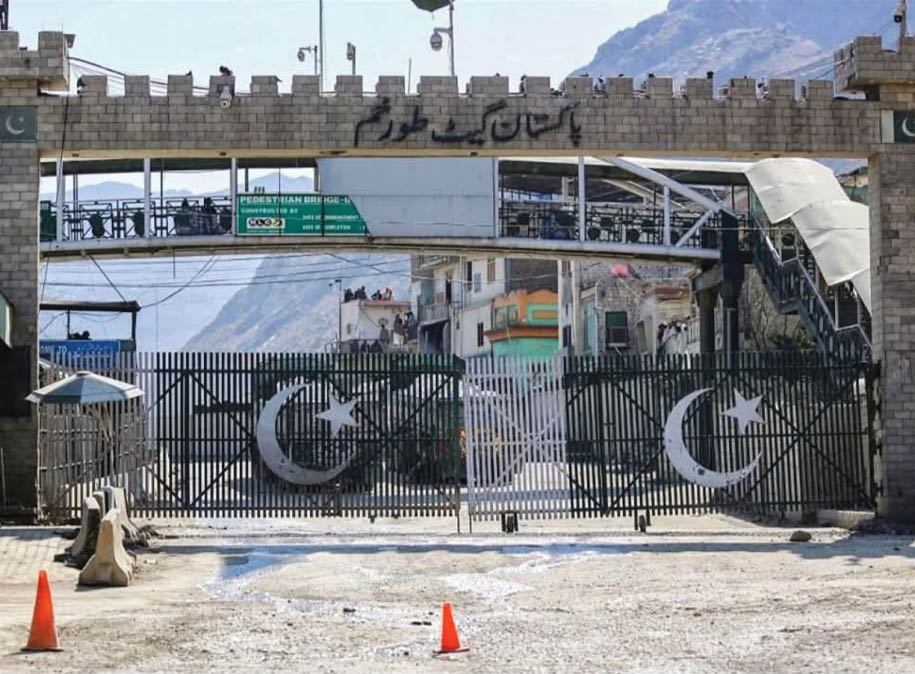
Thousands passengers waiting on both sides of the border since last one month as repair work continued on immigration offices and equipment damaged by gunfire from the Afghan side in the recent gunclash sources said on Friday.
They said cargo vehicles movement had been resumed the other day. Pakistani authorities have only allowed serious medical patients to enter, while others, including students, traders and families, continue to wait in uncertainty.
According to Federal Investigation Agency (FIA) officials, immigration services have not resumed due to the extensive damage caused by heavy gunfire that struck computers and other essential equipment. They stated that restoration efforts were ongoing but could take another day or two to complete.
Officials confirmed that until repairs are completed, pedestrian movement would remain suspended.
Sources said the border was initially closed on February 21 following a dispute between Pakistani and Afghan forces over the construction of a security post. Since then, several rounds of negotiations have taken place, but authorities have failed to fully restore pedestrian movement. While trade activities resumed partially, passenger crossings remain suspended. The prolonged closure has severely impacted Afghan travelers who rely on the key Torkham border crossing to reach Pakistan for medical treatment, education and business purposes.
For the past month, thousands of Afghan travelers, including patients, students and families, have been waiting at the border, struggling with a lack of basic facilities such as food, shelter and medical care.
Many of them have been sleeping in the open, braving cold nights and harsh conditions. Afghan citizens who need urgent medical attention have been particularly affected. Pakistani authorities have only granted entry to those with life-threatening conditions, while others continue to plead for permission to cross.
Several patients at the border have expressed their distress, saying that they had scheduled medical appointments in Pakistan but have been unable to travel due to the closure. Many have warned that further delays could worsen their health conditions. Families stranded at the border have called on both governments to resolve the issue as soon as possible.
Security concerns remain a major factor in the ongoing closure. The Pakistan-Afghanistan border has frequently witnessed incidents of violence, leading to periodic closures. The latest disruption escalated on March 21 when heavy gunfire from the Afghan side struck immigration offices, damaging key equipment and further delaying the resumption of immigration services. FIA officials have stated that the restoration process has been slow due to the extent of the damage and the need for additional security measures before reopening the border.
The prolonged closure has also caused frustration among traders who depend on the Torkham crossing for business. While trade vehicles have been allowed to cross in a limited capacity, the disruption has led to financial losses for businesses on both sides. Traders have urged authorities to speed up the process and ensure that such prolonged closures do not happen in the future.
Students who study in Pakistan and Pakistsnis who are enrolled in Afghan universities have also been affected. Many Afghan students who had returned home for a short visit have been unable to return to their universities, missing weeks of classes. Some fear that if the border remain closed for much longer, they may lose an entire semester.
Despite mounting pressure, there was no clear timeline for when pedestrian movement could be fully restored. Pakistani authorities have indicated that repair work was progressing, but they were also assessing security risks before making a decision on reopening the border.
Afghan officials, meanwhile, have urged Pakistan to at least allow stranded travelers to cross under strict security measures, warning that the humanitarian situation is worsening every day.
The closure of the Torkham border, a crucial transit point between Pakistan and Afghanistan, has once again highlighted the ongoing challenges in cross-border relations. While both sides have expressed a willingness to resolve the issue, no concrete steps have been taken to fully restore normal movement. Thousands of people remain in limbo, desperately waiting for a resolution that would allow them to continue their journeys.