ISLAMABAD
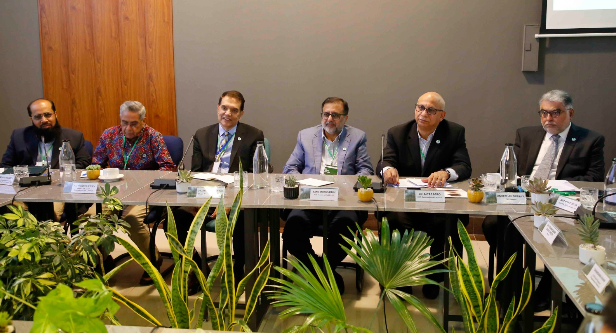
38th Annual General Meeting and Conference of the Pakistan Society of Development Economists (PSDE) concluded today in Islamabad, wrapping up three days of dynamic discussions, presentations, and policy dialogues.
Hosted by the Pakistan Institute of Development Economics (PIDE) and organized in collaboration with the Ministry of Planning, Development & Special Initiatives (MoPD&SI), the Asian Development Bank (ADB), Pakistan Poverty Alleviation Fund (PPAF), Research for Social Transformation and Advancement (RASTA), CPEC Centre of Excellence, and the Bank of Punjab, the conference brought together a diverse range of scholars, policymakers, economists, and development professionals from across Pakistan and the international community.
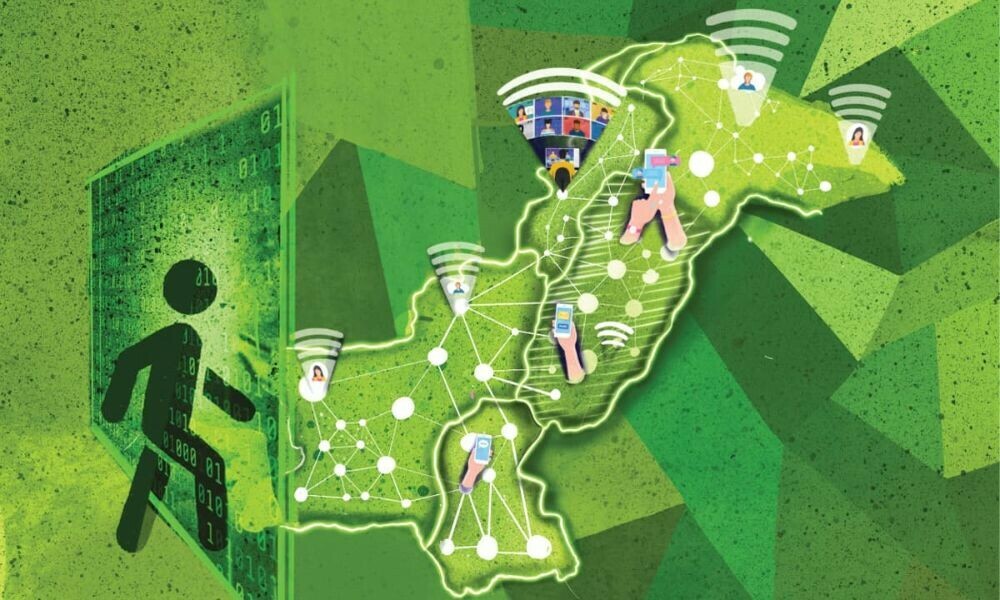
The final day featured a high-level keynote panel on “Smart Provinces for a Smarter Pakistan,” where the Guest of Honour, Hon. Senator Mohammad Ishaq Dar, Deputy Prime Minister and Minister of Foreign Affairs, emphasized the pivotal role of provincial governments in shaping Pakistan’s digital future.
Drawing from his involvement in the 18th Constitutional Amendment and the 2009 NFC Award, Senator Dar highlighted the need for provinces to demonstrate tangible results now that they hold greater autonomy and fiscal resources. He stressed the importance of digitization at the grassroots level, advocating for smart schools, e-governance, and real-time data systems as essential tools for national development.
He called for innovation to be led by provinces, citing examples such as digital agriculture in KP, education reforms in Gilgit-Baltistan, and climate resilience in Sindh. Senator Dar reiterated the urgency of revising the NFC Award and phasing out overlapping federal bodies that contradict the spirit of devolution. He ended his address with a compelling call for collaborative action, stating, “When Pakistan takes flight, every province must lift.”
Also addressing the audience was Minister for Planning, Development and Special Initiatives, Prof. Ahsan Iqbal, who congratulated PIDE for successfully hosting the conference. He stressed the importance of transforming research into action and urged that the conference’s recommendations be synthesized into concrete, implementable policies.
Prof. Iqbal encouraged provincial governments to assume active roles in the country’s socio-economic development and emphasized the need to close the gap between “knowing and doing.” Earlier in the day, the prestigious Mahbub Ul Haq Memorial Lecture was delivered by Mohammad J. Sear, EY MENA’s Digital Government & Public Sector Leader.
His lecture, titled “Rethinking Sovereignty in the Digital Age,” challenged traditional definitions of state power in an increasingly digitized world. He argued that in the modern era, sovereignty includes control over data, digital infrastructure, and cyber platforms—areas where global tech giants often wield more power than states. Sear advocated for Pakistan to invest in sovereign digital ecosystems and AI development to safeguard its autonomy and economic future.
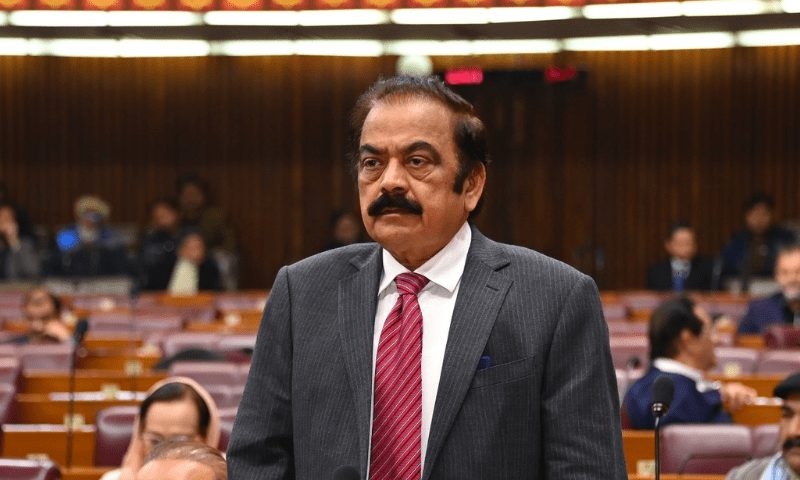
Chairing the session, Mr. Rana Ihsaan Afzal Khan, Coordinator to the Prime Minister, echoed these sentiments and described data as “the new oil.” He updated the audience on legislative efforts to enable a cashless economy and promote national data governance. A major highlight of the day was a panel discussion on “CPEC 2.0: Digital Leap – Learning China’s Transformation,” moderated by Dr. M. Muzammil Zia.
Experts including Prof. Yuan Li of Shandong University and Dr. Mahmood Khalid of PIDE emphasized the shift from infrastructure-led growth under CPEC 1.0 to innovation and knowledge exchange under CPEC 2.0. Prof. Li outlined China’s successful model of using policy-driven innovation to transform its economy and encouraged similar steps in Pakistan.
Dr. Manzoor Ahmad advocated for digitalizing Pakistan’s economy to empower SMEs and boost competitiveness. Mr. Ahmed Masud from Huawei highlighted the success of Huawei’s Islamabad-based global resource center and advocated for deeper Pakistan-China digital collaboration. Other panelists, including Dr. Hassan Waqar of NUST, stressed the need for policy consistency and strong educational governance to achieve digital transformation.