Dr Qaisar Rashid
In Pahalgam, only four terrorists were enough to disrupt peace and prompt Pakistan to erect a militarized model of economy. Despite celebrating having won the four-day war against India, Pakistan has announced to increase of around 20 percent in its defence budget, compared to the past. That is, an allocation of 2.55 trillion rupees ($9 billion) amounting to 1.97 percent of Pakistan’s gross domestic product, up from 1.7 percent in the previous budget.
The Irony is that the military budget has already been doubled in the past five years. In the fiscal year 2020-21, the allocation stood at Rs 1.28 trillion ($4.53 billion), which is now touching the figure of $9 billion. Pakistan is fast forgetting the developmental model of the economy. The supra-irony is that, currently, Pakistan is at the mercy of the International Monetary Fund, which approved $7 billion for a 37-month loan program. Around a $1.5 billion tranche is released a year to help Pakistan sustain itself economically.
Pakistan’s enormous increase in defence budget is unnecessary for two reasons: First, the increase in defence budget will compromise the growth of social developmental sectors, including health, education, social welfare, public works, etc. Second, the increase in the defence budget will not help Pakistan match the huge defence spending of India. The net gain will be nothing but appeasing the ego. Above all, most additional money allocated to defence is bound to land in international military markets, which are trained to entice buyers into buying their products. Bread snatched from the mouths of the poor feeds the weapon manufacturing industries. In any next skirmish, if the costly bought products also underperform, no one will be responsible. For a country like Pakistan, a better strategy is to manufacture indigenously.
An interesting excuse for accosting Pakistan is that the country is in the grip of geopolitical challenges and domestic instability. Now, it depends on how Pakistan approaches its problems to resolve them. If Pakistan keeps on living in the bubble of ego and refuses to open a dialogue with internal dissenters, problems will keep on piling up. The threshold of conflict will get lower, and the answer will be sought in engaging militarily and hence increasing the defence budget. The same is the approach with the neighbours. Pakistan has to drop the option of relying on non-state actors who play second fiddle. The tail should stop wagging the dog. Instead, Pakistan must focus on the Simla Accord of 1972. If India refuses to negotiate under the accord, Pakistan must move its diplomats to knock at the international forum.
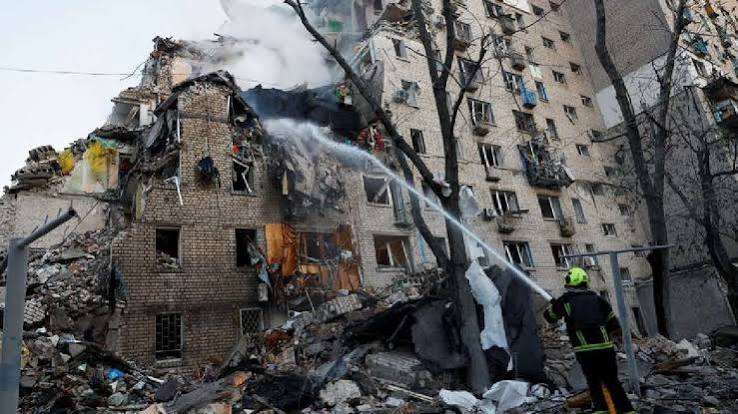
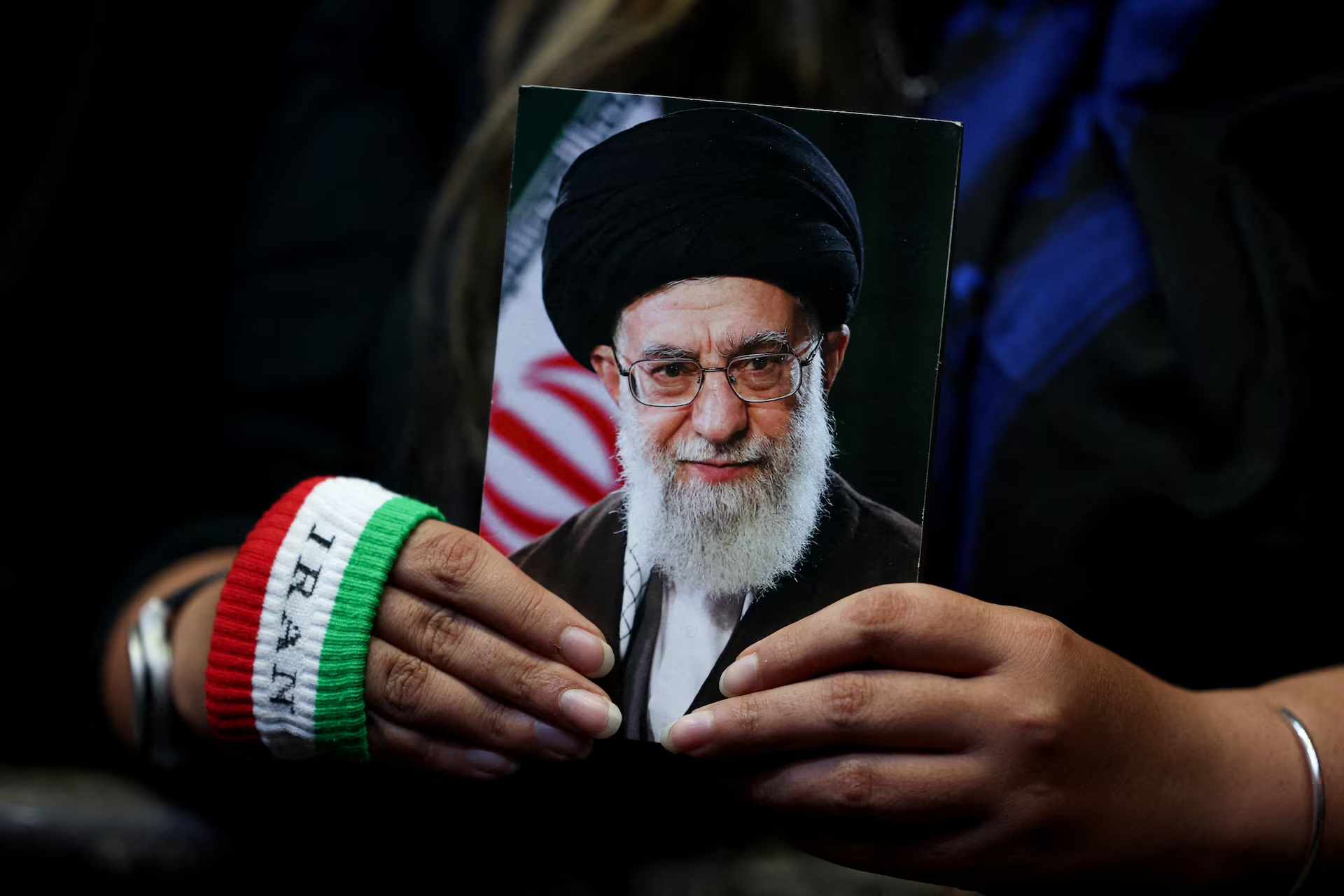
Besides the four-day conflict with India, the ongoing clashes between Iran and Israel have indicated that both the rules and tactics of war have changed. Five lessons can be drawn. First, bravado is counter-productive – courting unnecessary troubles. Second, technology (along with satellite imagery and hypersonic precision-guided projectiles) spearheads a modern war, rendering a conventional war defunct. Third, reverse engineering engenders products of inferior (unreliable) quality. Fourth, retaliatory strikes are not a substitute for the first launched offensive strikes, which wreak a decisive, irreparable damage. Fifth, foreign intelligence can pry into the activities and locations of coercive regimes easily.
On June 10, Finance Minister Muhammad Aurangzeb presented a budget worth Rs 17.57 trillion, which is around a 7 percent decrease from the last year. As per an estimate, it is around Rs 900 billion less than the previous fiscal year, indicating the shrinking state of the economy to collect taxes, overwhelmed by debts, internal and external.
Aurangzeb also announced to give tax exemptions to 111 companies, thereby indicating the fact that the old tactic of extracting revenue from the middle and lower classes by increasing utility bills would be used instead of broadening the tax base and collecting taxes judiciously. On the one hand, the government has offered these companies exemptions, whereas on the other hand, the government is planning to impose regressive taxation, which will not only increase the prices of commodities but which will also benefit the exempted companies compared to those that are not exempted. Prices of the products of non-exempted companies would skyrocket. Similarly, prices of oil, gas, and electricity will also be increased. This point indicates the failure of the government to tax selectively those who earn more and who are liable to pay more taxes. No structural reforms are on the agenda and none is expected. Instead, the government has once again resorted to relying on utility bills. It simply means that the running cost of small businesses would be increased manifold, and this is discouraging news for the youth entering the job market.
Dissociation between the elected representatives and the plight of the poor can be visible from a fivefold increase in the salaries of the Senate chairman and the National Assembly Speaker, whose salaries have been raised from Rs 218,000 to Rs 519,000 a month with effect from January 2025. The hike shows a callous disregard for the predicament of the poor who find it difficult to make both ends meet.
The budget makes one point clear: the government is not ready to adopt austerity measures. Instead, the government is determined to raising its expenditure against assumed earnings, the targets of which would never achieve at the end of the fiscal year 2025-26. It also means that at the end of the fiscal year, there would be more unachieved revenue targets, adding to national debt liability. The stress would be shifted to the developmental sectors of the economy, the underperformance of which will affect the country in the long run. No end to economic woes.
Apparently, it seems that Pakistan has inured to practising the art of running its system on borrowed money to perfect the adage suitable for Pakistan: wars will be fought on borrowed money and peace will be relished on borrowed money.
The writer is a freelance columnist. He can be reached at qaisarrashid@yahoo.com