Pakistan Tehreek-e-Insaf has announced a unanimous decision to boycott the upcoming by-elections and resign from all parliamentary committees on the instructions of Imran Khan. The move comes as Pakistan faces overlapping crises that demand maximum parliamentary oversight.
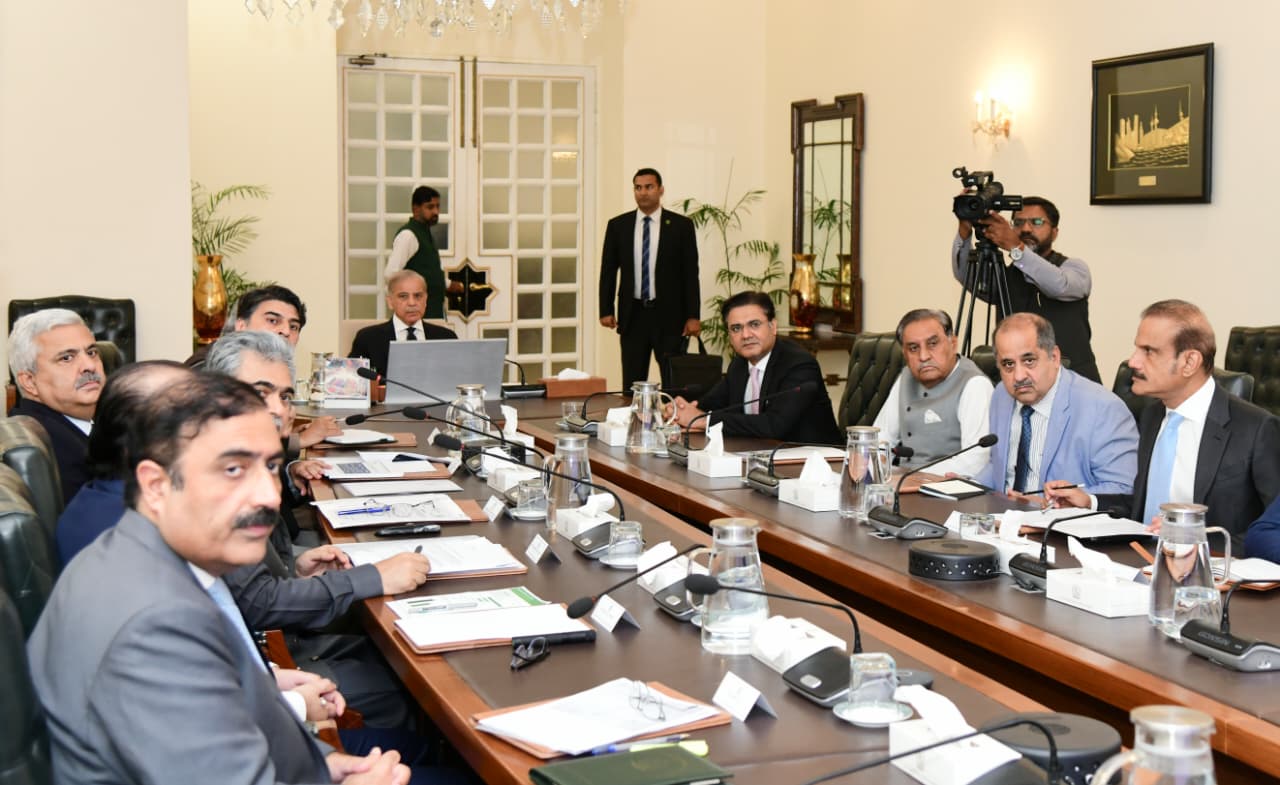
No matter which side of the house one may sit on, committees are not ceremonial. They are the working rooms of the legislature, where ministries are questioned, budgets examined, and appropriations scrutinised.
To vacate these seats at such a critical hour leaves decisions on relief, reconstruction, and public expenditure entirely in the hands of the treasury, with no accountability from the largest opposition bloc.
The decision reflects a broader pattern in PTI’s politics. Over the past few years, the party has opted for walkouts, boycotts, and headline-grabbing protests rather than sustained engagement. Abandoning committees may make for spectacle, but it does not challenge the system; it only sidelines the party from it.
Recent developments make the retreat even starker. Following the disqualification of a dozen PTI legislators over convictions tied to the May 9 riots, and with Imran Khan himself barred, PTI’s parliamentary strength is already diminished.
Resigning from committees compounds that weakness by ceding oversight roles to rivals. For example, the party’s absence has allowed key posts like the Public Accounts Committee chair to pass to government allies. Symbolic protests may satisfy the rank and file, all the while handing the levers of legislative scrutiny directly to the ruling coalition.
This strategy is consistent with PTI’s current dilemma. Imran Khan remains the central figure on the streets. No qualms about that.
However, the party has done little to make up for his absence inside parliament, choosing defiance–walking out, boycotting elections, and now vacating committees–as the only trick in the playbook. Yet history shows such boycotts rarely strengthen parties.
PML-N’s walkouts in 2009 ended in quick reversals. Even PTI itself, after its 2014 sit-in, returned to parliament when it recognised that prolonged absence eroded legitimacy. Parties that retreat from institutions diminish themselves.
Pakistan today faces humanitarian needs, economic fragility, and rising insecurity. These challenges require parliament to function at full capacity. PTI’s large mandate must translate into representation where it counts: in chambers and committees where budgets are passed and policy is debated. Opposition matters when it insists on accountability, not when it vacates the table. At this moment of trial, empty chairs are not a strategy. They are abandonment.