By: Nauman khan
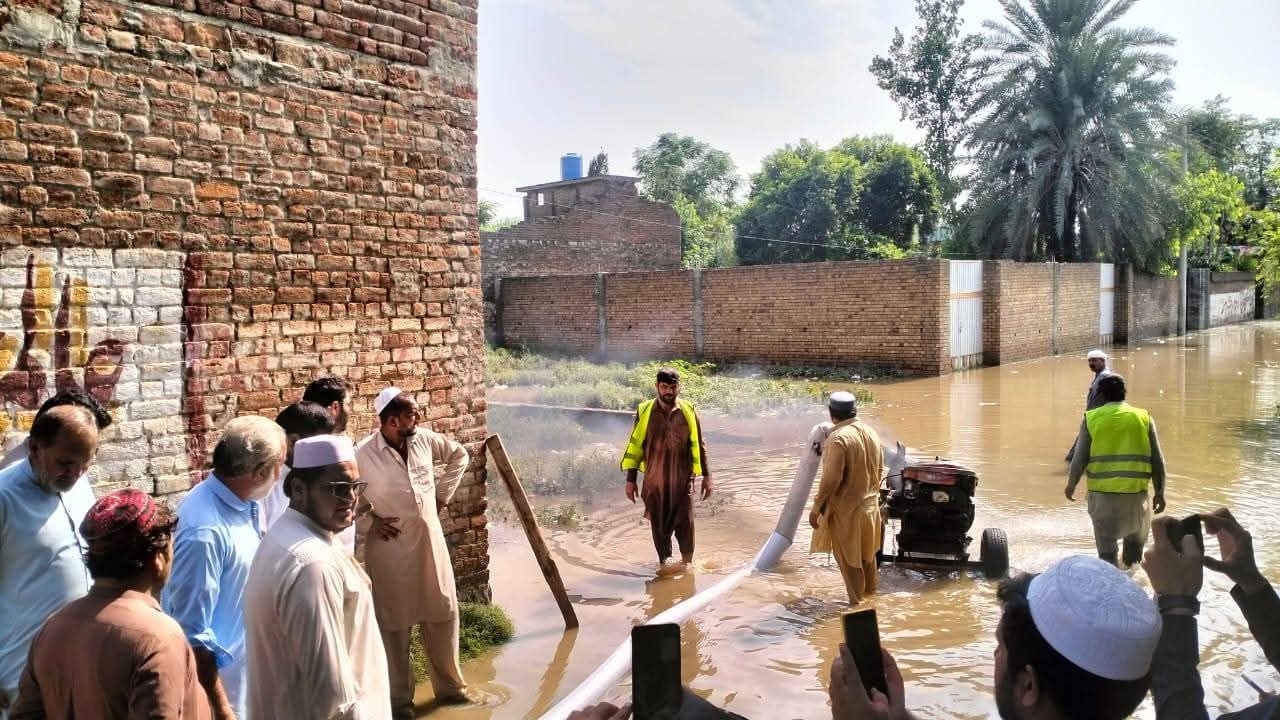
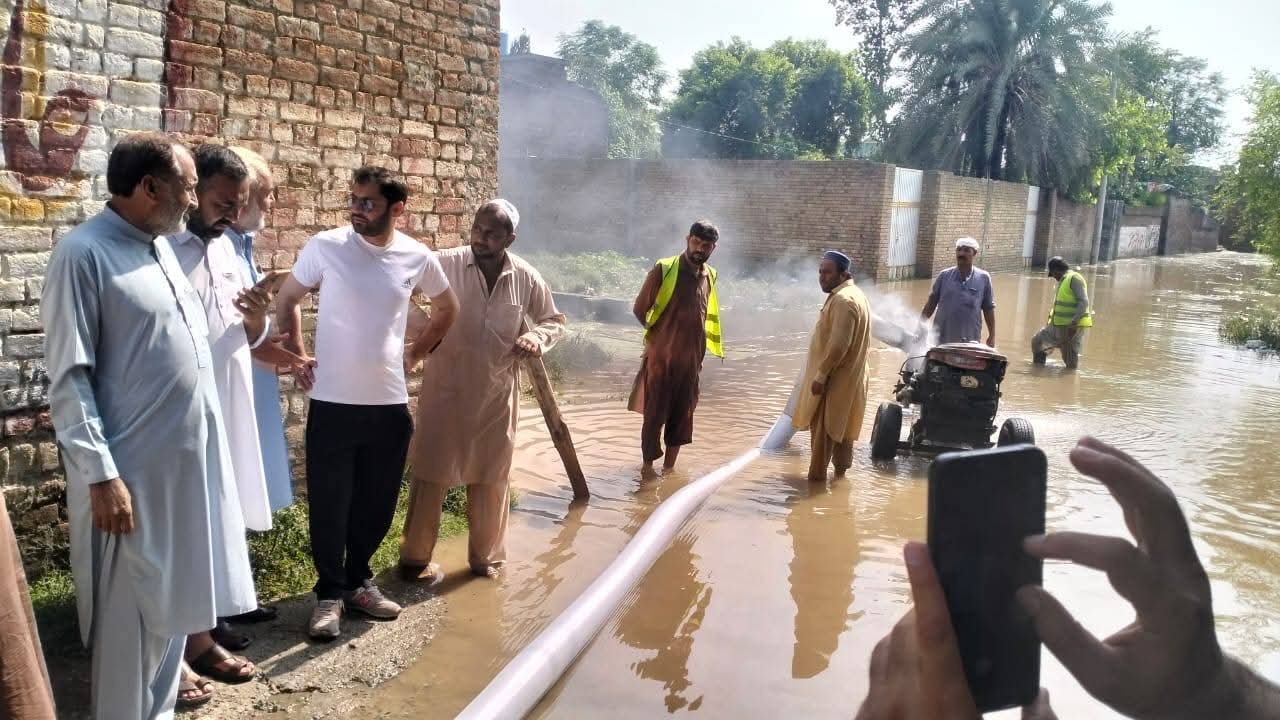
It was the humid month of August. Dark clouds gathered over Khyber Pakhtunkhwa’s skies and then burst, flooding rivers with raging torrents. Entire villages in Buner were wiped off the map, while Swat and Swabi also faced widespread destruction. Charsadda, too, came under nature’s fury, but timely action by the district administration saved its people from major loss of lives and property.
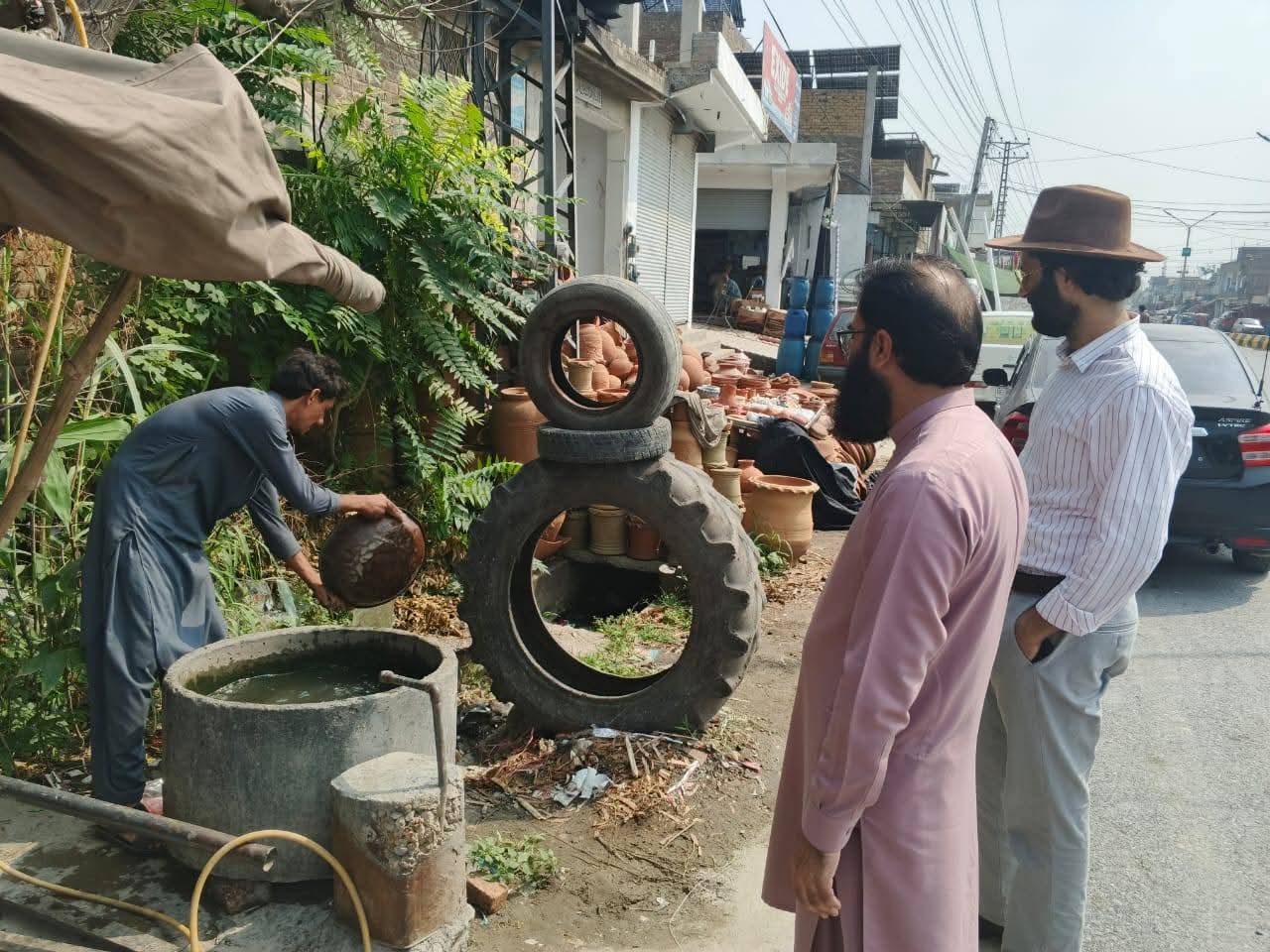
Yet, once the floodwaters receded, a new crisis began to emerge. Pools of stagnant water left behind in low-lying areas became ideal breeding grounds for the dengue mosquito. Soon, in early August, Charsadda found itself trapped in the grip of a dengue outbreak. Public negligence and poor sanitation made the situation worse. In August alone, 632 cases were reported—the highest in the province. By the end of the sep, a total of 852 people had been infected.
A Doctor Leading the Fight
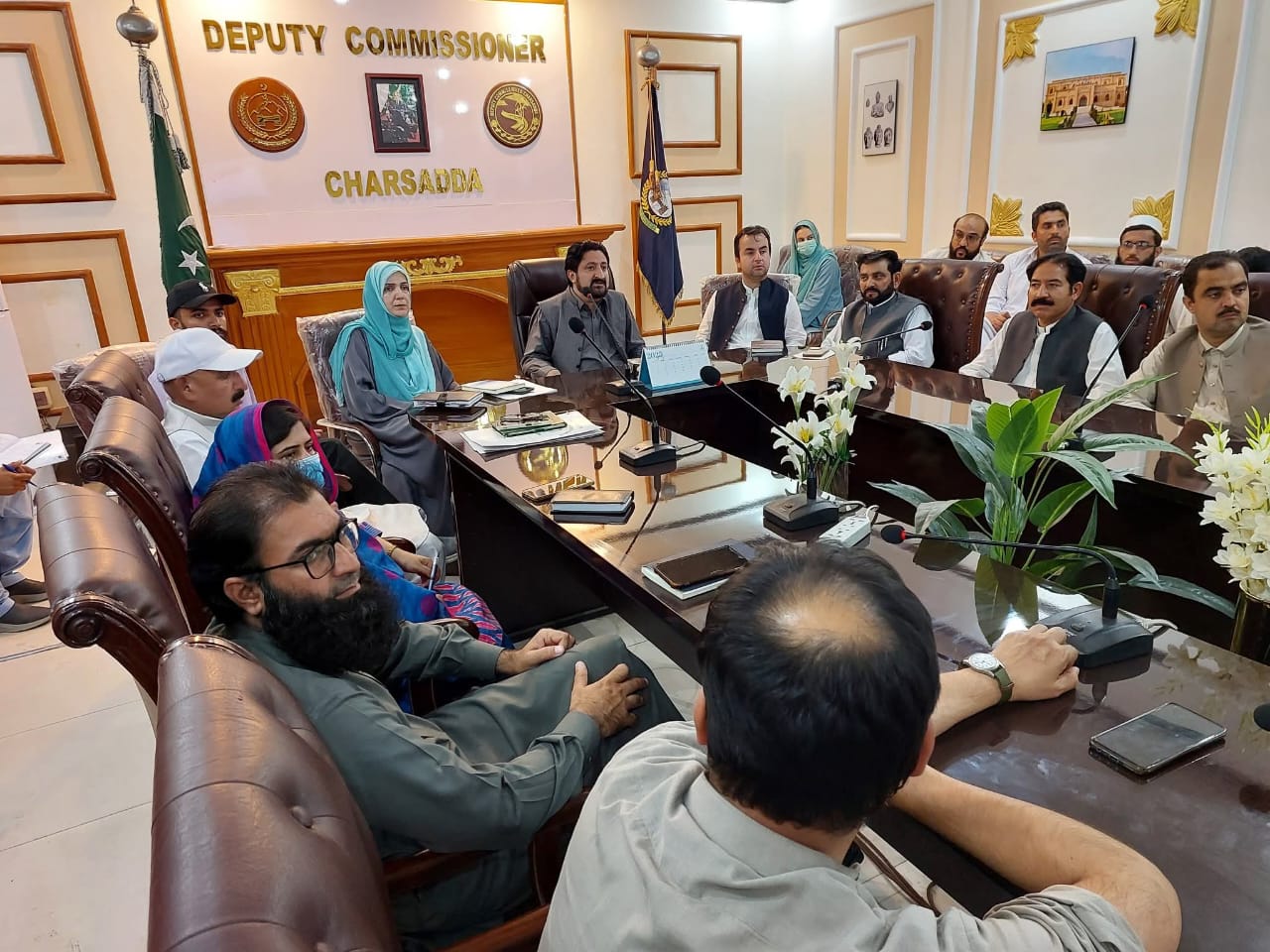
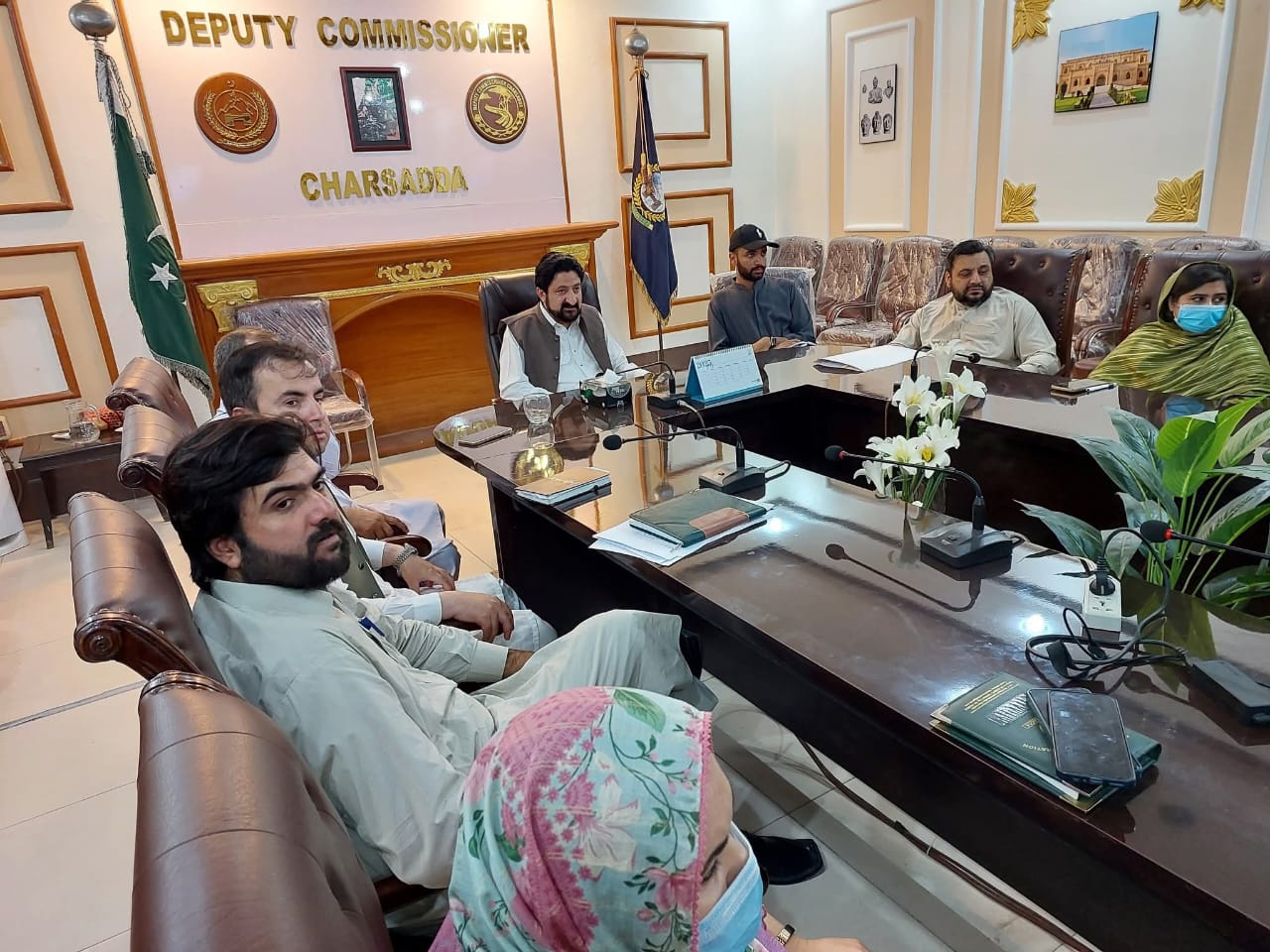
At this critical moment, Deputy Commissioner Dr. Azmatullah Wazir stepped forward—not only as the administrative head but also as a physician. With the Health Department’s support, he devised a comprehensive “Micro Plan” to curb the spread of the disease.
First Phase:
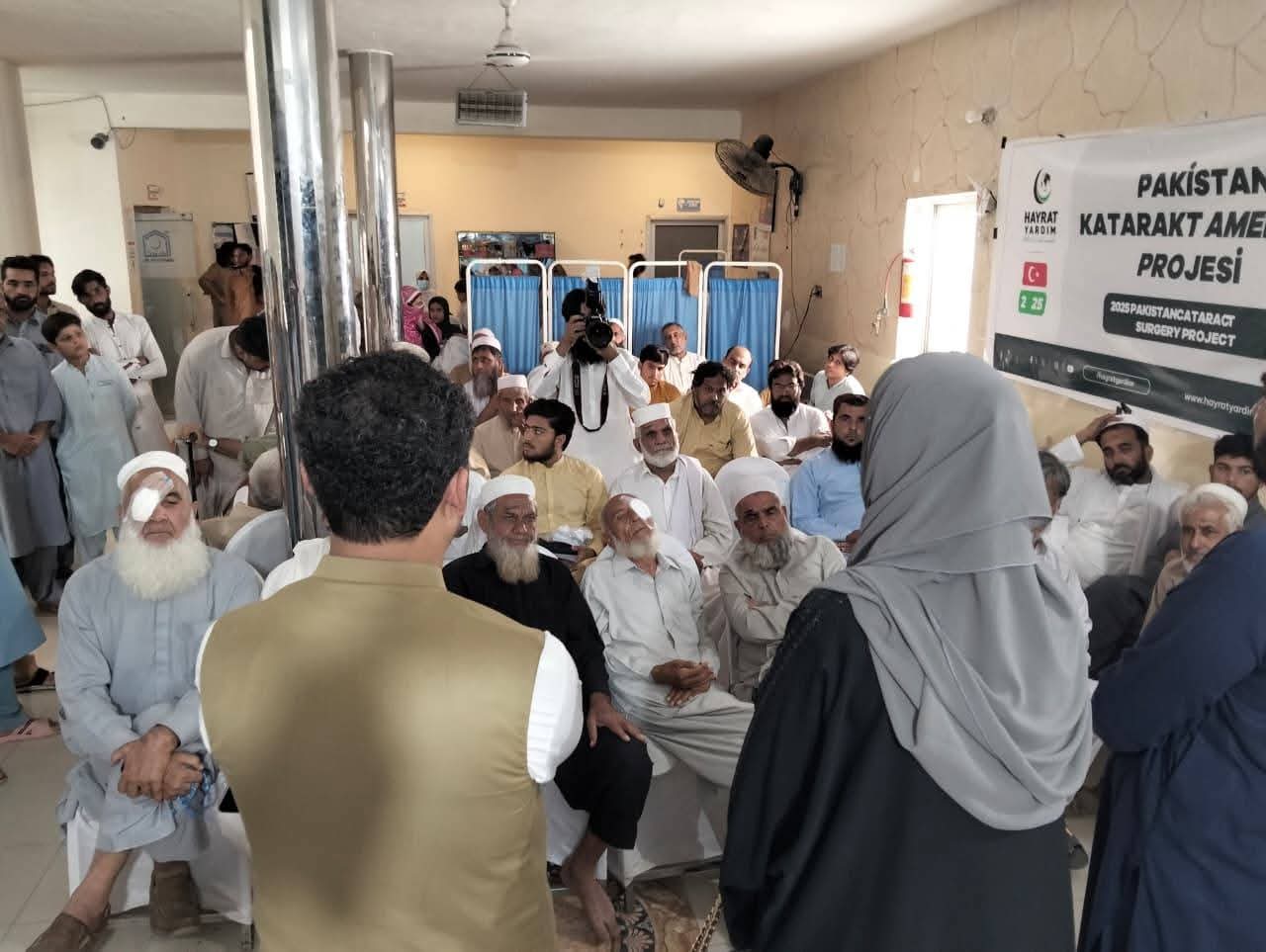
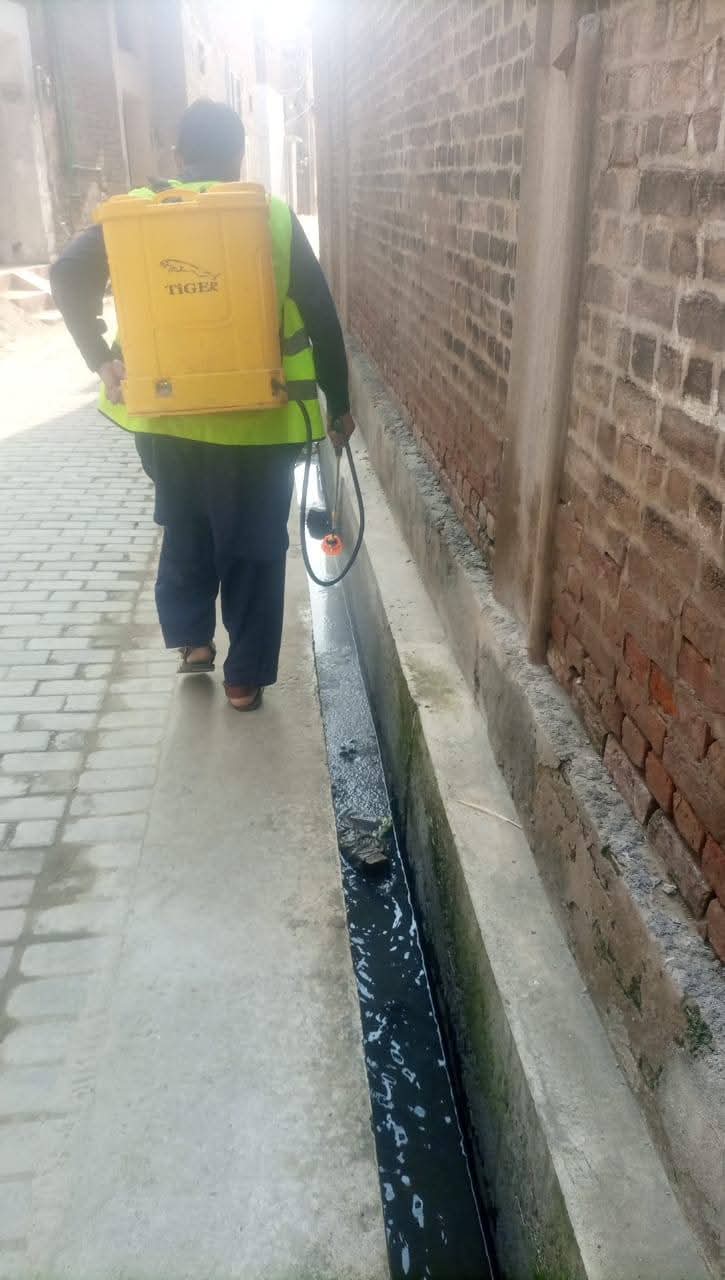
The worst-hit areas were identified. Insecticide spraying, larva-killing measures, and medical camps were arranged where patients received treatment as well as guidance on prevention.
Second Phase:
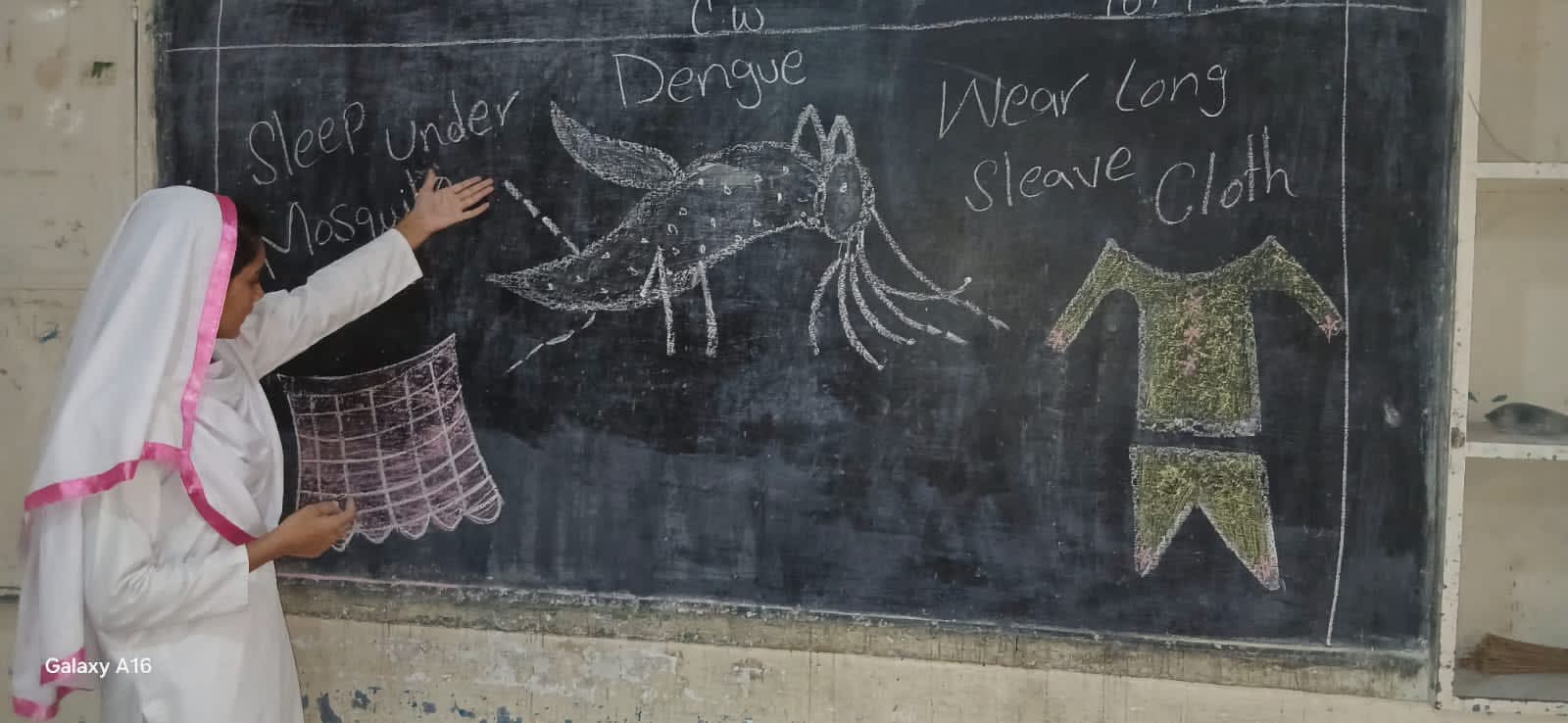
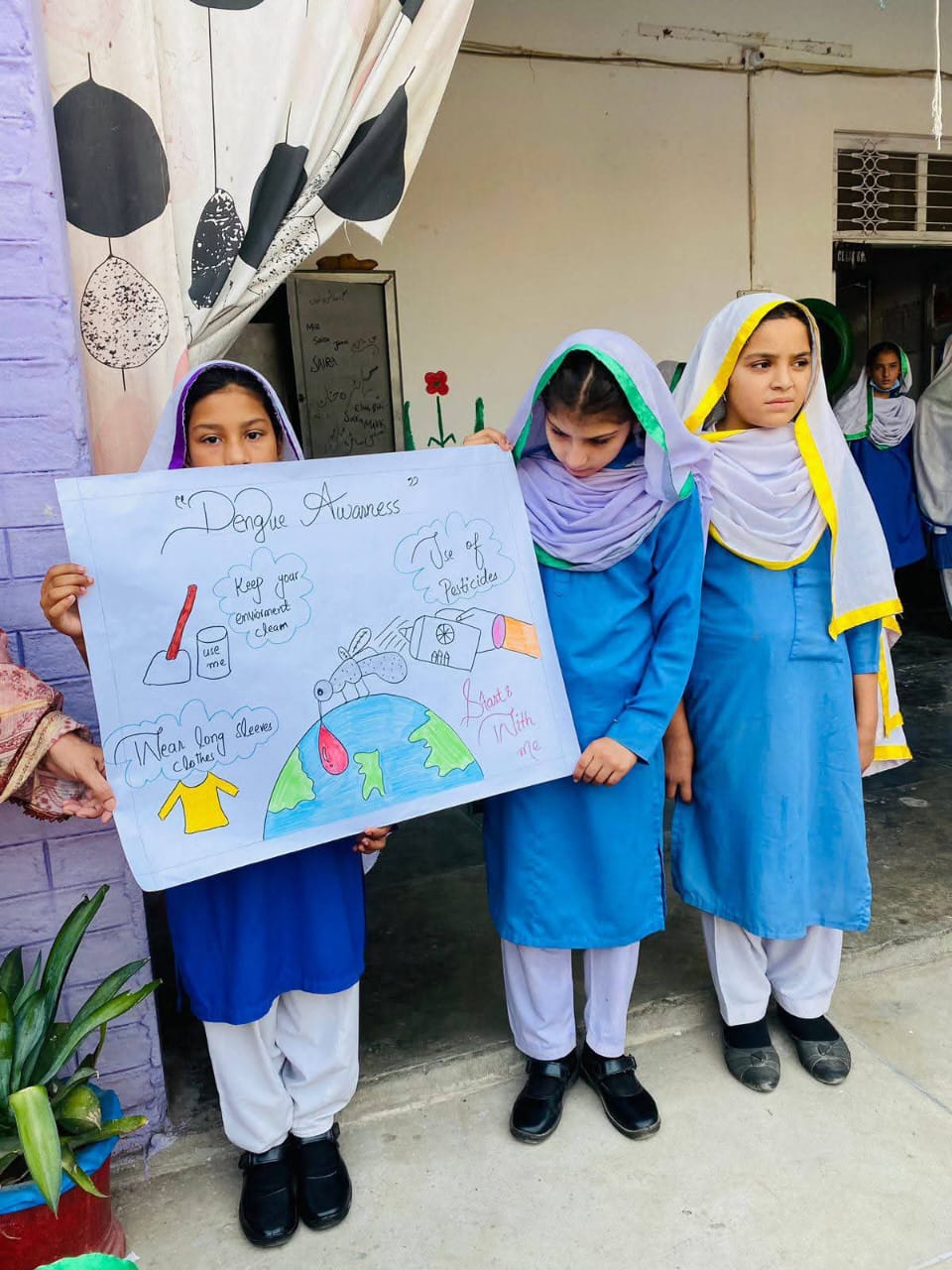
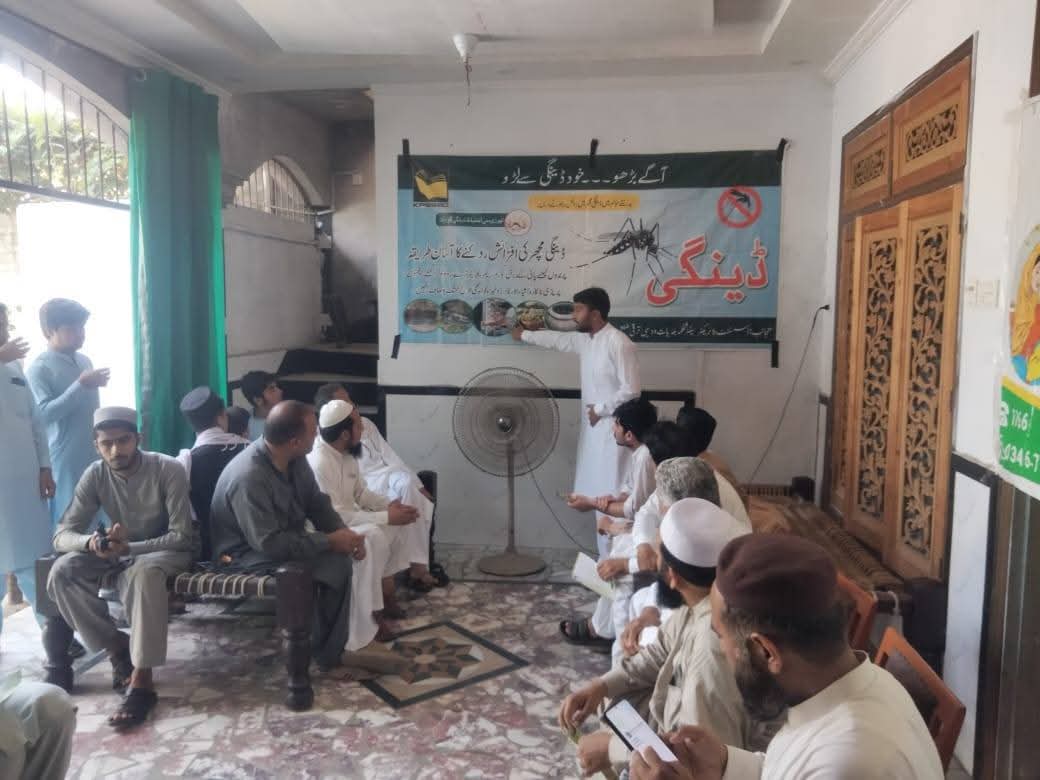
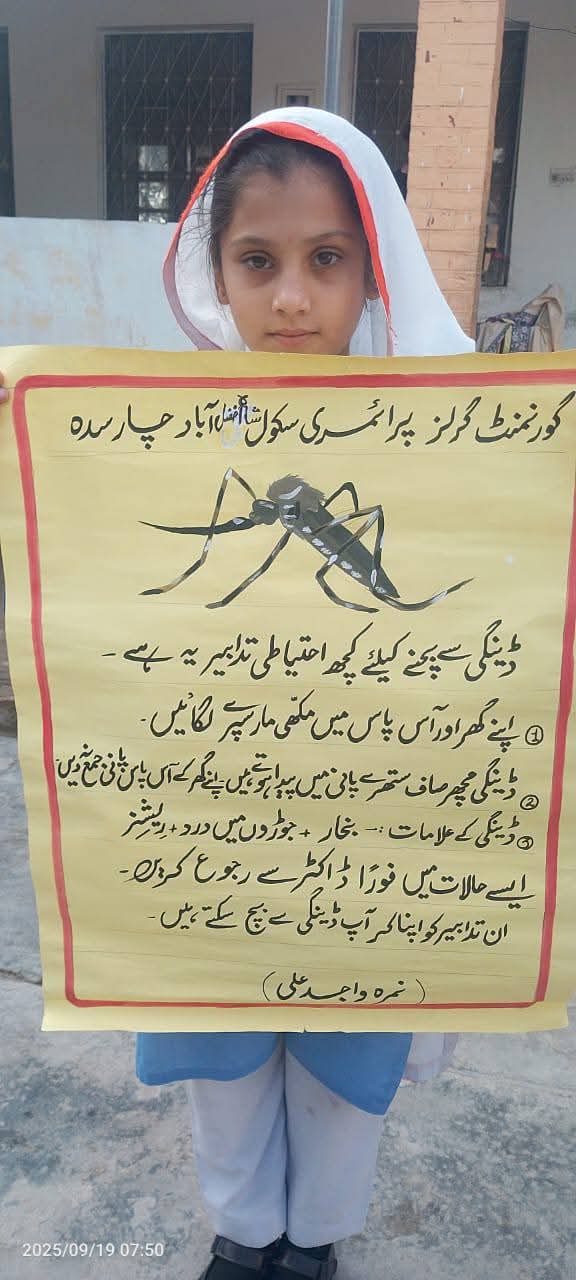
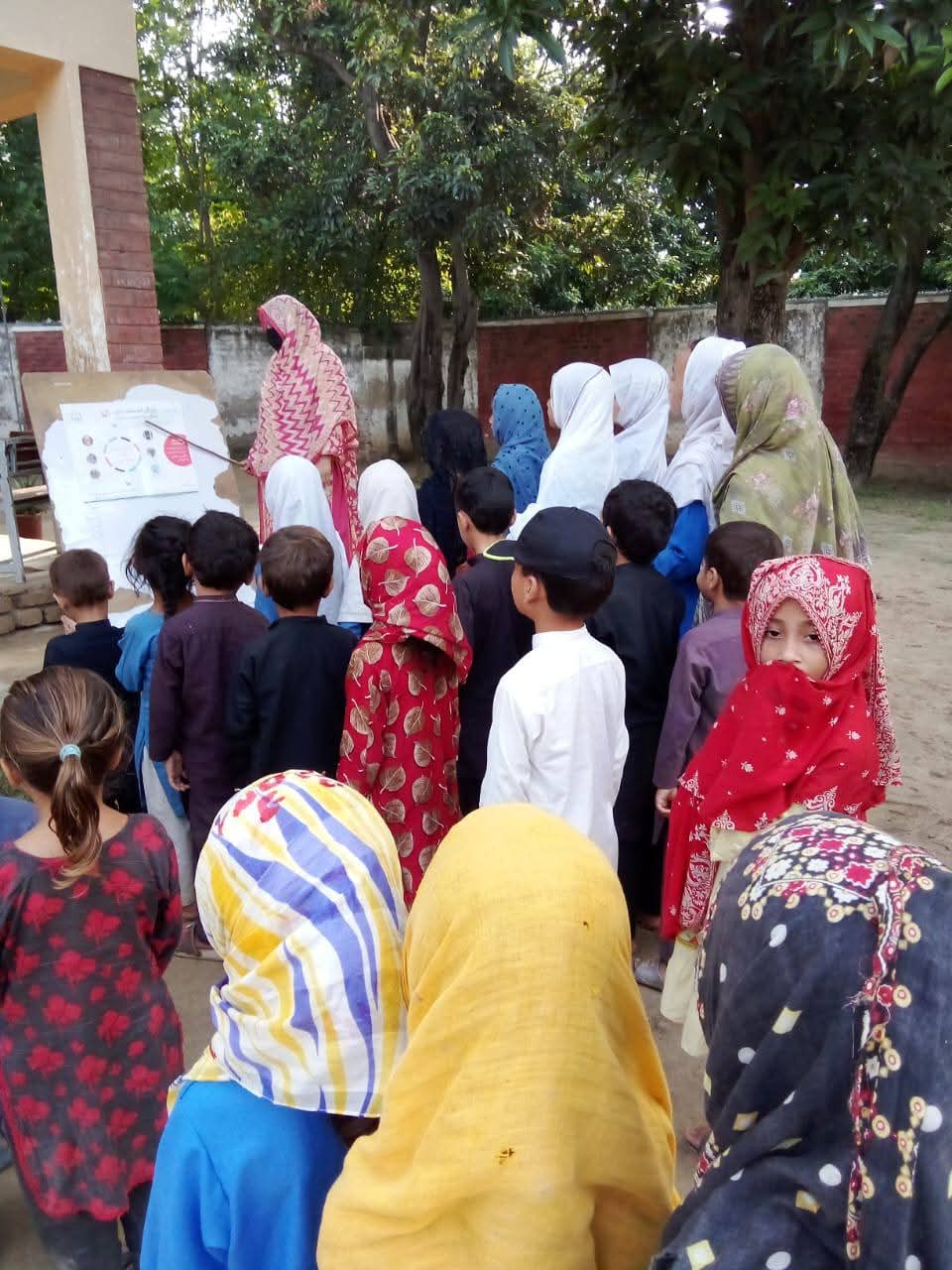
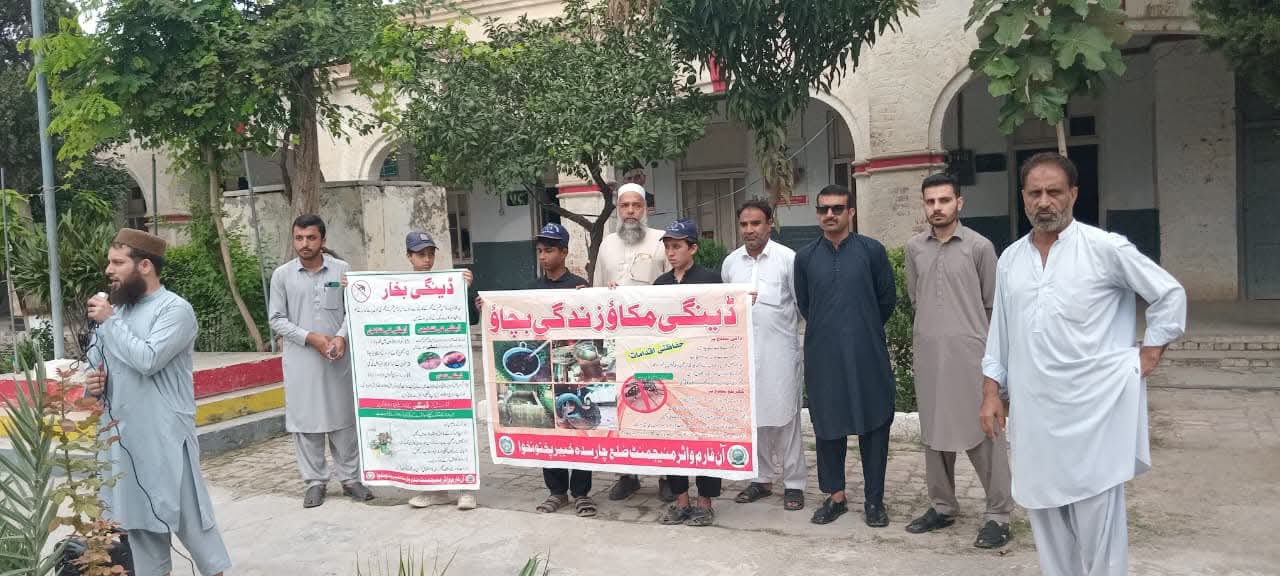
Awareness campaigns were launched in schools, colleges, madrassas, hujras, and other public spaces to mobilize community support.
Third Phase:
At the union council and village level, spraying drives continued while hospitals, RHCs, and BHUs were equipped with dedicated dengue wards and beds. Lady Health Workers went door-to-door, educating families on prevention and demonstrating practical methods to eliminate mosquito breeding sites.
Daily review meetings and close monitoring of the situation produced encouraging results. By September, the number of cases dropped significantly—from hundreds in August to only 212 cases in September.
Situation Across the Province
According to the Directorate General of Health Services, a total of 1,838 dengue cases have been reported in Khyber Pakhtunkhwa so far this year. Out of these, 1,729 patients have recovered, leaving only 109 active cases.
Charsadda has remained the most affected district with 852 cases. Haripur ranks second with 178 cases, followed by Mansehra with 133, Peshawar with 113, Swabi with 78, Abbottabad with 60, and Kohat with 54 cases. The encouraging news is that no deaths have been reported from dengue across the province.
A Lesson in Preparedness
Charsadda’s experience demonstrates that with timely planning, efficient use of resources, and public cooperation, even a widespread outbreak can be controlled. After the floods, dengue struck the district as a new trial, but the “Micro Plan” turned that trial into a success story.