FRIA alarmed as trade deficit widens 33%, calls for urgent industrial reforms
Lahore
The Ferozepur Road Industrial Association (FRIA) has expressed deep concern over the sharp 33 per cent surge in Pakistan’s trade deficit to $9.4 billion during the first quarter of the current fiscal year, warning that the widening gap between imports and exports reflects structural weaknesses in industrial and trade policy.
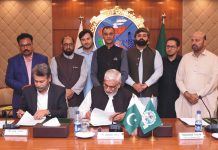
FRIA Chairman Shahbaz Aslam, reacting to the latest data released by the Pakistan Bureau of Statistics, said the figures were “a wake-up call for policymakers who continue to ignore the manufacturing sector’s decline.” He noted that while imports grew by 13.5 per cent to $17 billion, exports fell 3.8 per cent to $7.6 billion — a trend that he described as “deeply alarming for both external stability and domestic production.”
“The growing dependence on imported materials, combined with stagnant industrial output and falling exports, shows that our so-called reform plans are missing their targets,” Aslam said. “Neither the Planning Commission’s Uraan Pakistan initiative nor the imported economic frameworks have delivered the necessary boost to productivity or competitiveness.”
He added that the situation is made worse by exchange rate rigidity and inconsistent policy signals. “Exporters are struggling to stay competitive while the rupee remains artificially managed. If the government wants to reduce the deficit, it must allow market-based currency adjustments, ensure timely refunds, and restore confidence among genuine exporters.”
Shahbaz Aslam warned that the ballooning trade deficit—now larger than the anticipated $2 billion IMF tranche—would intensify pressure on foreign reserves and push the government toward further borrowing. “We are once again repeating the cycle of external dependence because local industry is being squeezed instead of supported,” he said.
The FRIA chairman urged the government to take immediate corrective measures, including incentivising value-added exports, stabilising energy tariffs, and facilitating industrial raw material imports through predictable pricing mechanisms. “We cannot grow exports by taxing production and subsidising imports. The government must adopt an industrial-first approach that empowers factories rather than middlemen,” he stressed.
Shahbaz Aslam also cautioned that if current trends continue, Pakistan’s exports could fall below $31 billion while imports may exceed $68 billion by the end of the fiscal year. “That gap would be catastrophic for employment, investment, and currency stability,” he said, calling for a national consensus to realign trade and industrial policy.