STOCKHOLM
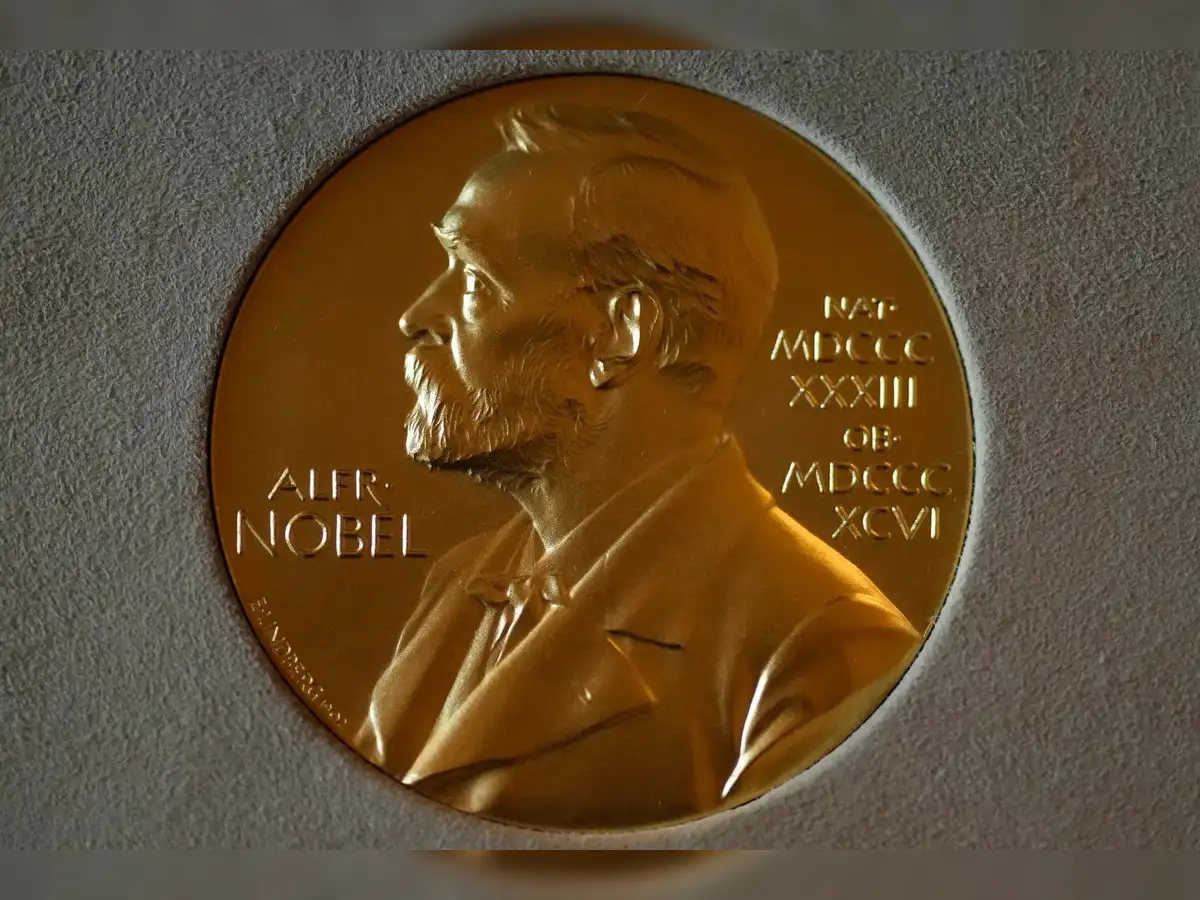
Swiss postmodernist novelist Christian Kracht and Australia’s Gerald Murnane and Alexis Wright are among the favourites for the Nobel literature prize, experts told media ahead of the Swedish Academy’s much-anticipated announcement on Thursday. The academy made history last year by choosing South Korea’s Han Kang, making her the first Asian woman to win the prize.
But this year several experts predicted the winner would likely be a man — and European to boot. “I could see it going to a European man — that the Academy could do that with a clear conscience because they chose a non-European woman last year,” Sveriges Radio culture critic Lina Kalmteg told media.
Kracht, Hungary’s Laszlo Krasznahorkai and Peter Nadas, and Romania’s Mircea Cartarescu are among those whose names are making the rounds. Kracht, a 58-year-old German-language postmodernist author who writes about pop culture and consumerism, is a favourite in literary circles, Bjorn Wiman, culture editor at Swedish paper of reference Dagens Nyheter, told media.
At this year’s Gothenburg Book Fair held annually a few weeks before the Nobel announcement, “many members of the Swedish Academy were there, sitting in the front row during his event”, Wiman said.”And that is usually a sure sign,” he said, adding that the same thing happened when Austrian playwright Elfriede Jelinek won the prize in 2004.
Since it was first awarded in 1901, the Nobel literature prize has been dominated by Western male writers. There are only 18 women among the 121 laureates, and only very few prizewinners have bodies of work written in Asian or Middle Eastern languages. No African languages are represented. A 2018 #MeToo scandal left the Academy in tatters, and more than half of its members ended up being replaced.
The institution promised to broaden the prize, both geographically and linguistically, and since then, there has been a more even gender balance among laureates. Since 2018, every other laureate has been a woman. “Authors like Han Kang would have been unthinkable five or six years ago,” Wiman said, noting that the Academy previously tended to honour older men and she was only 53 when she won.
But, Wiman said, he also thinks this year the award would likely go to a man “from the Anglo-Saxon, German or French-language world”. Kalmteg said that the list of previous laureates shows a pattern of sorts: “it’s kind of ‘OK, this year was a European, now we can look a little further afield. And now we go back to Europe. Last year was a woman, let’s choose a man this year.’”