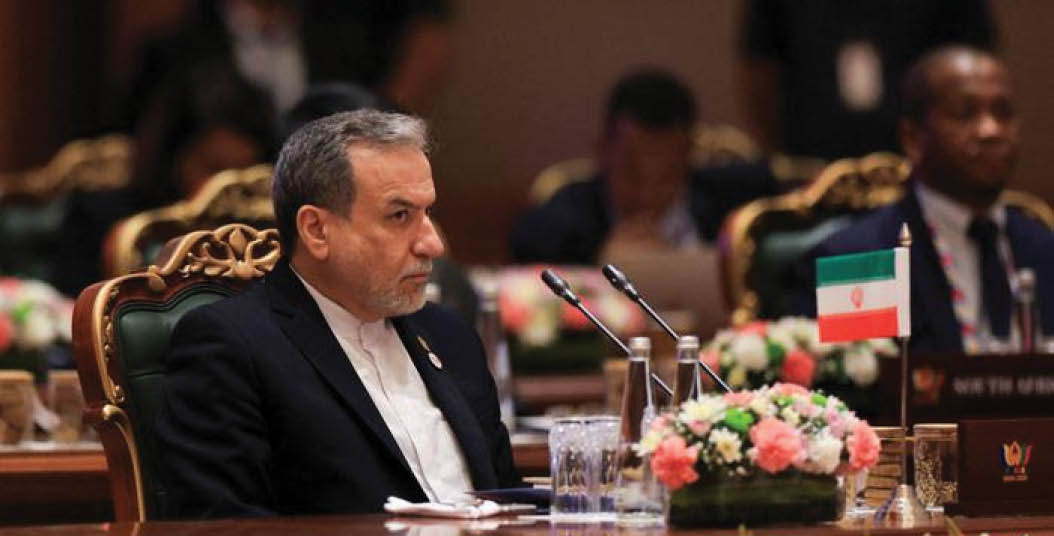
Pakistan sits at the crossroads of a new Afghan settlement, and the world is already rearranging the furniture. At this week’s quadrilateral meeting in Moscow, Islamabad reaffirmed its commitment to a stable Afghanistan while quietly pressing concerns about terrorist sanctuaries along its western frontier. The same talks hosted the Taliban as full participants after Russia removed them from its terror list, signalling Moscow’s new comfort with Kabul’s rulers. Meanwhile, Washington’s statements on Bagram and reported efforts to re-engage Kabul remind Islamabad that old scripts never die. They simply reappear in a new guise.
The writing on the wall could not be harsher. Independent monitors record roughly 901 fatalities from militant attacks between July and September, and over 2,400 for the year so far. Violence is concentrated in Khyber Pakhtunkhwa and Balochistan. Officials quietly link many strikes to networks operating from Afghan soil. The Tehreek-e-Taliban Pakistan has rebuilt its capability and morale while Kabul seeks recognition, investment, and patronage from Russia, China and Iran.
Moscow’s message was blunt. Lavrov warned against any foreign military presence in Afghanistan and framed engagement with Kabul as a shield against outside interference. China and Iran are similarly deepening links with the Taliban around trade, reconstruction, and connectivity. Arab capitals signal similar caution. At the same time, U.S. commentary keeps Bagram alive as a strategic lever. Regional powers are testing different instruments of normalisation, reaffirming that recognition and investment come before verified counterterror measures.
For Pakistan, the consequences are stark. Diplomatic engagement has been Islamabad’s tool of choice. It has kept its embassy open, participated in regional consultations, and consistently pushed for coordinated approaches. Those gestures, however, have not stopped cross-border militancy. Diplomacy without enforceable benchmarks carries a high cost.
Practical politics must now follow. Every concession on trade and connectivity needs to be tied to verifiable security outcomes. Border management should become a coordinated regional project rather than a Pakistani burden. Intelligence sharing, joint patrols, and credible timelines for dismantling militant sanctuaries must be demanded and closely monitored. Other capitals may celebrate normalisation, but here its cost is paid in lives and a steady loss of control over sovereignty. If Islamabad cannot press that point plainly and forcefully, external actors will set the rules, and Pakistani citizens will continue to pay the bill.