Lawmakers, party bodies clash
MARDAN
Internal divisions within the Pakistan Tehreek-e-Insaf (PTI) in Mardan have intensified, with widening gaps between lawmakers and party organizations undermining efforts to present a united political front.
On Friday, each PTI Member of the Provincial Assembly (MPA) held separate protests related to the May 9 and November 26 events at private Hujras and hotels instead of organizing a unified demonstration. The move sparked strong criticism from party officials and workers, who termed it a betrayal of the mission to secure the release of PTI founder Imran Khan.
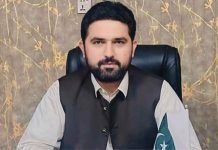
The PTI Mardan Tehsil chapter organized its own protest in front of the Mardan Press Club, attended only by MPA Tariq Aryani. Party workers lamented that persistent internal groupings and rivalries had prevented the district from holding an effective and coordinated demonstration.
Workers accused certain MPAs of refusing to cooperate with local party organizations, claiming that district and tehsil office-bearers were being excluded from key decision-making processes. They alleged that this disconnect had caused elected representatives to distance themselves from the party’s grassroots structures, creating frustration among long-serving workers.
District and tehsil-level leaders expressed anger over being sidelined, stating that while they are mobilized for protests and demonstrations, they are ignored when it comes to important political decisions — particularly appointments to provincial ministries. They argued that before granting cabinet positions to any MPA from Mardan, the leadership should consult local organizations and consider their input.
Party officials warned that such unilateral decisions weaken PTI’s internal cohesion and demoralize its committed supporters. Several hinted that they might issue a strong reaction if the provincial leadership continues to bypass local organizational bodies in future matters.
Despite all elected representatives from the district belonging to PTI, workers said, the party has failed to stage a strong and unified protest for Imran Khan’s release. They blamed the exclusion of local office-bearers from decision-making as the main reason behind the party’s growing disunity and ineffective performance.
According to party insiders, each elected representative in Mardan now leads his own faction operating within personal Hujras or small circles of influence instead of working collectively under the PTI’s formal structure. Workers urged the central and provincial leadership to curb factionalism, involve organizational representatives in key decisions, and restore internal unity to strengthen both governance and the movement for Imran Khan’s release. Political observers noted that by excluding local bodies and office-bearers from major decisions, PTI’s organizational framework in Mardan has become increasingly ineffective, causing significant damage to the party’s political standing in the district.