Azad Kashmir has entered another political transition, with the Pakistan Peoples Party emerging as the leading parliamentary group after securing the support of ten legislators who defected from the previous government.
With a total of twenty-seven members in a house of fifty-three, the party now holds the numbers to form a government. More pertinently, this change comes after months of tension in Muzaffarabad and growing pressure for economic relief.
The last administration struggled to manage the unrest that swept through AJK in late September when the Jammu Kashmir Joint Awami Action Committee led mass protests over high electricity tariffs and economic grievances.
Nine people died and more than two hundred were injured. Those demonstrations reflected a deep gap between political authority and public expectation. The government lost the confidence of its people and of the assembly.
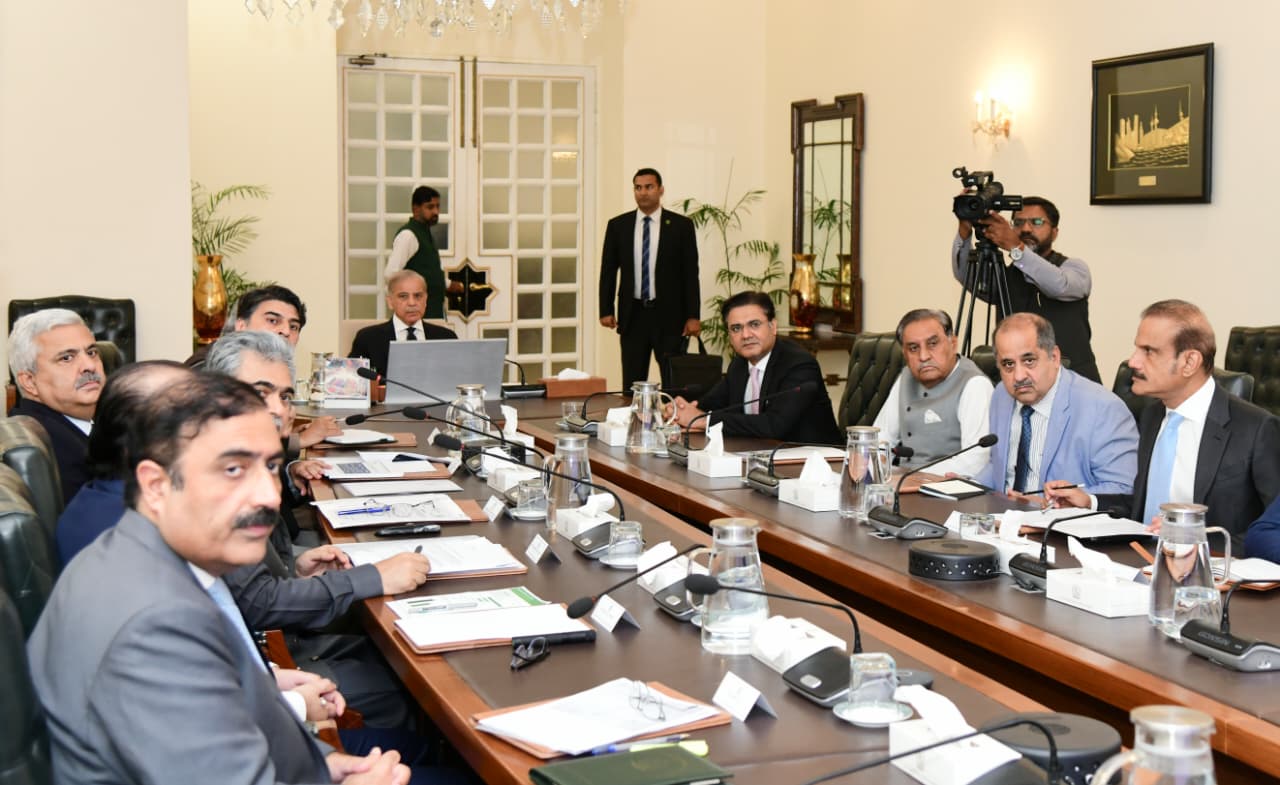
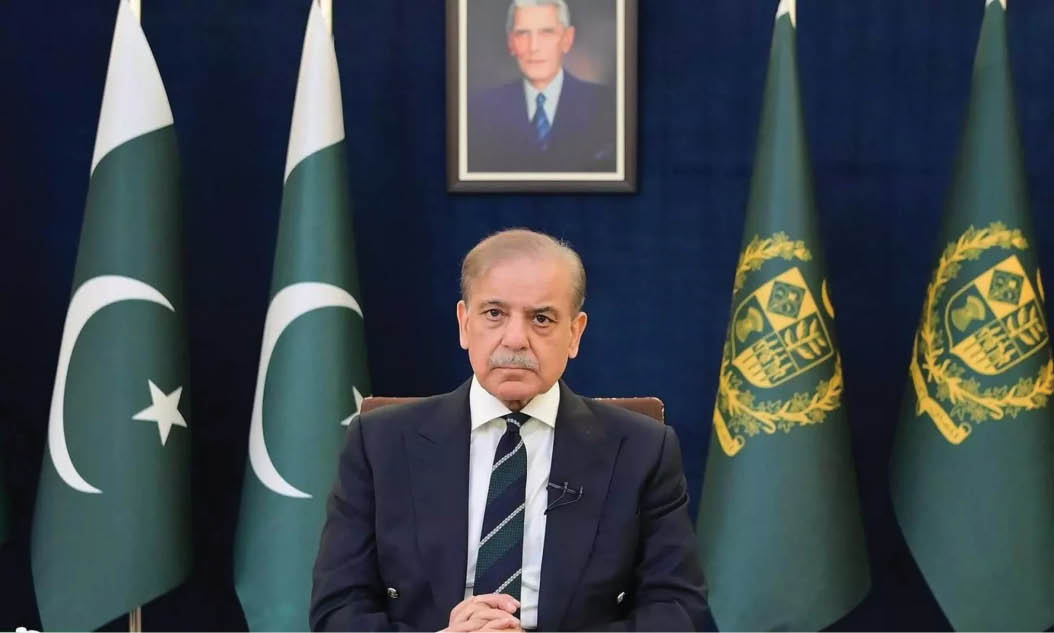
The new alignment in the house appears to be coordinated through constitutional procedure. Party leaders met in Islamabad, where President Asif Ali Zardari and Prime Minister Shehbaz Sharif were briefed on the situation. Their engagement reflects the federation’s responsibility to keep the region stable.
The challenge now is not numbers but delivery. No matter what the government may believe about AJK being Pakistan’s most developed region in human development indicators, its people feel excluded from the benefits of their own resources.
The region generates electricity for the national grid, but residents pay higher tariffs than many in the plains. These issues can no longer wait for another round of reshuffling.
The new government must link the region’s hydropower income to local development, ensure equitable wheat subsidies, and make governance visible on the ground.
The stability of AJK carries national weight. It is part of the state’s political and moral case on Indian occcupation in Kashmir. Every successful government in Muzaffarabad strengthens Pakistan’s argument that the region enjoys effective self rule under its own elected representatives.
The new government, thus, has the opportunity to rebuild both the administration and public confidence. It must stay focused on governance and service delivery, not political theatrics.