ZOHA AZIZ
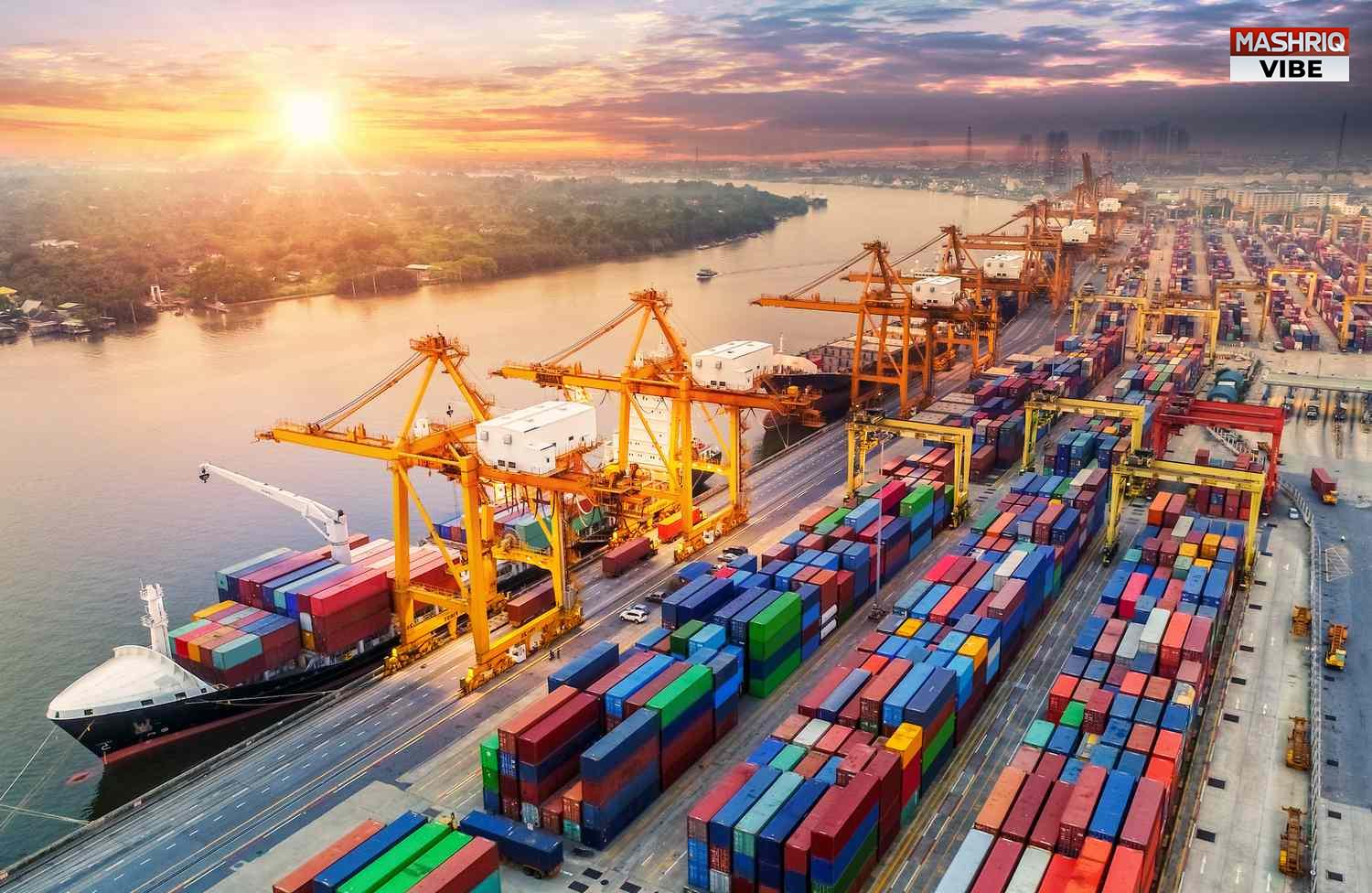
India adopts ‘protectionist’ trade policies. It maintains significant barriers to safeguard its own businesses, even though its large market is filled with consumers and connected to the global economy. Currently, India is negotiating trade agreements with major entities like the EU and the US. However, high taxes on food and industrial goods hinder progress. These regulations not only increase prices but also adversely affect India’s position in the global supply chain. It is anticipated that India’s protectionist policies could harm its relationships with other countries and potentially weaken its influence in the long term.
The free trade agreement (FTA) between India and the EU is largely stalled due to high tariffs and strict regulatory frameworks. India’s average industrial tariffs remain higher than those of most major economies, and its agricultural tariffs are among the highest worldwide. For instance, India’s simple average applied Most Favoured Nation (MFN) tariff in 2024 was approximately 16.2%. In contrast, the EU’s weighted average tariff is reported at just 2.7%. The automobile, processed food, and wine sectors are particularly protected. India imposes tariffs as high as 60-100% or more to deter imports and promote domestic manufacturing. Global data suggests that India’s import duty on vehicles can exceed 100%. From the EU’s perspective, this imbalance creates serious concerns. On the European side, new measures like the Carbon Border Adjustment Mechanism (CBAM) and related anti-deforestation rules have been criticised by India as disguised non-tariff barriers.
In 2024, India exported approximately US$75.85 billion worth of goods to the EU and imported about US$60.68 billion, thus maintaining a trade surplus. However, this surplus has been achieved while India maintains high tariffs, and the Free Trade Agreement (FTA) remains stalled. The European Commission also observes that some of India’s tariffs are inconsistent with its commitments under the World Trade Organisation (WTO). As the EU views India’s protective stance as uncompetitive, the prospects for a FTA between the two remain limited.
The United States Trade Representative (USTR) also classifies India as a protected large market. Against the US single-digit farm duties, Indian agricultural tariffs average nearly 39%. For instance, the US exporters face duties of around 45% on vegetable oils, 50% on motorcycles, 60% on automobiles, 70% on natural rubber, and 100-150% on alcoholic beverages, coffee, and walnuts. These barriers are often cited by Washington as reasons preventing fair access to the Indian market. In 2025, the US responded decisively after a series of announcements, ultimately imposing tariffs of up to 50% on a broad range of Indian exports from August 27. Meanwhile, India signalled its intention to file retaliatory duties within the framework of the WTO in response to US safeguard measures on vehicles and auto parts exports. Amid rising tensions, negotiations for a deeper India-US trade agreement remain complex. India refused to liberalise agriculture, insisting on maintaining autonomy in areas such as dairy and farm imports. In an interview, the finance minister flagged agriculture and dairy as “big red lines” in the talks.
India also employs extensive non-tariff barriers (NTBs), such as import bans, mandatory local testing of internationally approved goods, import licensing, and unpredictable duty changes. These measures create a highly uncertain environment for U.S. exporters. From the American viewpoint, India seems to be one of the most restrictive large markets worldwide. From India’s perspective, this resistance to opening stems from the fear that foreign goods will overshadow domestic producers, especially in labour-intensive sectors.
At a broader level, India’s trade policy deliberately places a ceiling on market access. The country’s average applied MFN tariff of 15.9% in 2024 is nearly double the global average of around 8%. Although the WTO legally binds India to its tariff commitments and it cannot exceed those upper limits. India has used its policy space to raise duties on over 2,300 products covering about 45% of tariff-lines between 2017-19 targeting textiles, footwear, electronics and consumer goods.
India’s tariff structure seems to limit its role in global trade. In the agriculture sector, the average tax exceeds 100%, providing the country with flexibility to raise it at any time. Non-tariff and technical barriers on over 1,000 health-related goods add extra pressure to trade. These barriers not only restrict access for foreign capital, innovation, and supply chain linkages but also create opportunities for rent-seeking, inefficiency, and higher consumer prices.
There are domestic reasons explaining why India adopts a protectionist policy. Its local factories and farms face competition from cheap and high-quality imports, so it is natural to protect them to maintain jobs and strategic autonomy. Additionally, geopolitics influences Indian trade relations. Its repeated rejection of bilateral trade with Pakistan is a case in point. On the other hand, the EU thinks that a trade deal with India is only possible when the latter reduces tariffs and rationalises NTBs.
India stands at a crossroads where it can either continue with protectionist policies or leverage its market potential to integrate into the global supply chain. With the current policy, it risks missing out on future trade and growth opportunities. Conversely, liberalising its economy can foster stronger partnerships and broader benefits for its economy. To navigate this complex trade environment, India needs to adopt an incremental approach.
ZOHA AZIZ
ARTICLE WRITER
RESEARCH ANALYST