LAHORE
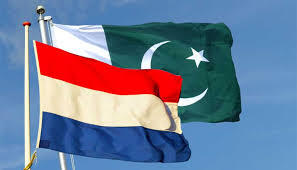
Ambassador of the Kingdom of the Netherlands, Robert-Jan Siegert, has said that while the bilateral trade relations between Pakistan and the Netherlands are strong and continue to grow, there is still a “little bit of catching up to do” to further enhance cooperation, particularly in areas of trade and investment.
He emphasized, both sides should work together to make the business environment easier and more attractive for foreign investors by addressing existing challenges.
He was talking to business community during his visit to Lahore Chamber of Commerce and Industry (LCCI) here Friday. He was accompanied by Honorary Consul Asma Hamid, Deputy Head of Mission, Hajo Provo Kluit and First Secretary Alexander Akerboom. LCCI President Faheem-ur-Rehman Saigol accorded a warm welcome to the Ambassador, while members of LCCI Executive Committee including Amir Ali, Karamat Ali Awan, Waqas Aslam, and Malik Ahmad Amin were also present.
LCCI President Faheem-ur-Rehman Saigol said that Pakistan considers the Netherlands as an important economy and a key trading partner in Europe.
According to the ITC World Trade Map, global imports of the Netherlands exceed 635 billion dollars while exports are above 722 billion dollars. The Netherlands is the third largest export destination for Pakistan in Europe after the UK and Germany, and stands fourth among the top European import markets for Pakistan.
He informed that overall bilateral trade during 2024-25 stood around 1.9 billion dollars. Pakistan’s exports to the Netherlands amounted to 1.49 billion dollars whereas imports were recorded at 420 million dollars in the same period.
Pakistan mainly exports home textiles, hosiery, rice, and woven fabrics, while its key imports from the Netherlands include petroleum oils, malt extracts, iron & steel scrap, medical appliances, and dairy products. He stressed the need to diversify product lines and explore new avenues of cooperation including information technology, tourism, pharmaceuticals, renewable energy, processed food, and automotive production.
He also highlighted that the Netherlands could help modernize Pakistan’s agriculture through advanced techniques and technology transfer.
First Secretary Alexander Akerboom said that more than 50 Dutch companies are already active in the Pakistani market and are looking to further expand. He cited successful joint ventures as models of future cooperation, especially in livestock, agri-food technology, and halal-based exports.
He mentioned that Dutch expertise in high-tech agriculture and greenhouse farming can greatly help Pakistan increase crop yields and reduce production costs.
He said the Netherlands, despite its small size, is the second largest exporter of agri-food globally due to its innovative farming methods.
He shared examples such as the potato project in Punjab that successfully reduced fertilizer costs by 30 percent and increased yield by the same proportion. He also referred to recent initiatives like the International Cotton Accelerator, launched in Lahore, which aims to promote organic cotton and strengthen Pakistan’s textile-based economy. He stressed that Pakistan needs climate-resilient seeds and advanced water management solutions to cope with growing challenges like floods and drought.