PESHAWAR
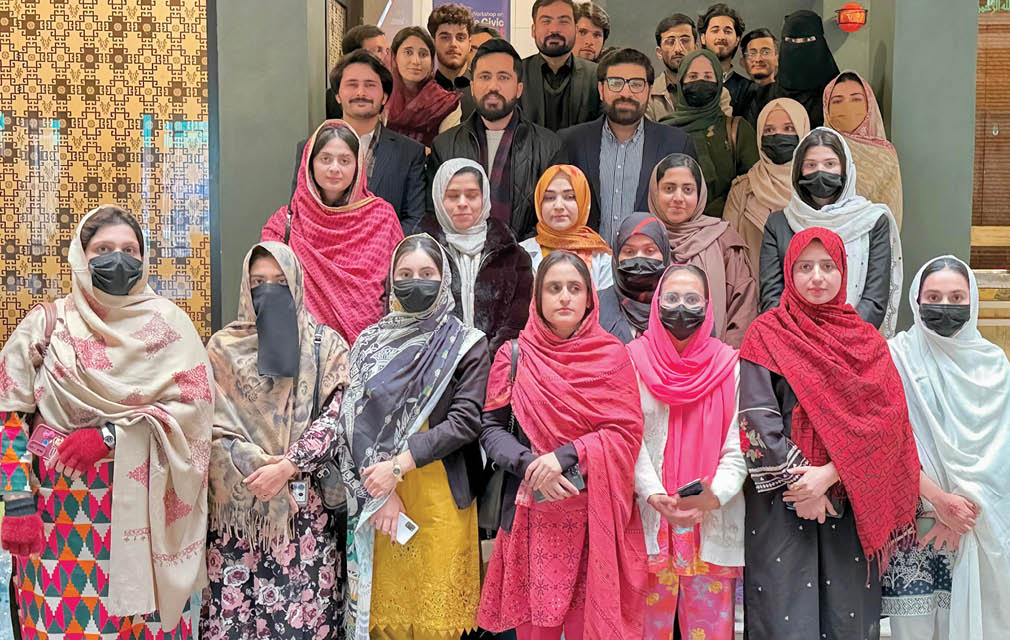
In observance of the International Day of Education, Blue Veins organized a youth dialogue, under the theme,“The Power of Youth in Co-Creating Education” to highlight the critical role of young people in shaping inclusive, relevant, and future-ready education systems.
The discussion underscored that youth make up more than half of the global population and are a powerful force for innovation, social change, and sustainable development.
However, many young people, particularly girls continue to face persistent barriers such as poverty, inequality, gender discrimination, and limited access to quality education and decent work, preventing them from shaping the future they aspire to.
Participants emphasized that because young people’s lives and opportunities are directly shaped by education, they must be recognized as active partners in reimagining how learning works.
As technology rapidly transforms the world, involving youth in co-creating modern and inclusive education systems is essential to ensure teaching and learning reflect their needs, aspirations, and realities.
Speaking on the occasion, Shazia Atta stated, “When youth are meaningfully engaged in shaping education systems, they become architects of peace, equality, and sustainable development.”
In the national context, speakers highlighted Article 25-A of the Constitution of Pakistan, which guarantees free and compulsory education for all children aged 5 to 16 years.
The dialogue stressed that achieving this constitutional promise is impossible without prioritizing girls’ education, as millions of girls remain out of school due to poverty, early marriage, insecurity, and harmful social norms. Qamar Naseem, Program Manager at Blue Veins and Malala Fund Education Champion, emphasized, “Ensuring girls’ education is not optional, it is a constitutional obligation under Article 25-A and a moral responsibility. Educated girls uplift families, communities, and the nation as a whole.”
The discussion further noted that education is central to sustainable development. With the adoption of the 2030 Agenda for Sustainable Development, the global community recognized education as essential to achieving all 17 Sustainable Development Goals, particularly SDG 4, which aims to ensure inclusive and equitable quality education and promote lifelong learning opportunities for all by 2030. Despite this commitment, education systems worldwide continue to face major challenges, with millions of children and adolescents out of school, lacking basic literacy and numeracy skills, or denied education due to conflict and displacement.
Highlighting the importance of youth leadership, Bushra Afridi, Youth Activist and Member of the Prime Minister’s National Youth Council, stated, “Young people are not just beneficiaries of education policies; they are partners in designing solutions. When youth voices are included in decision-making, education becomes more innovative, inclusive, and transformative.”
Youth called upon the government, policymakers, educators, and civil society to invest in youth-led and girl-centered education initiatives, remove structural and gender-based barriers to learning, and meaningfully include young people in education policy and reform processes.