Dr. Ghulam Nabi Fai
New York
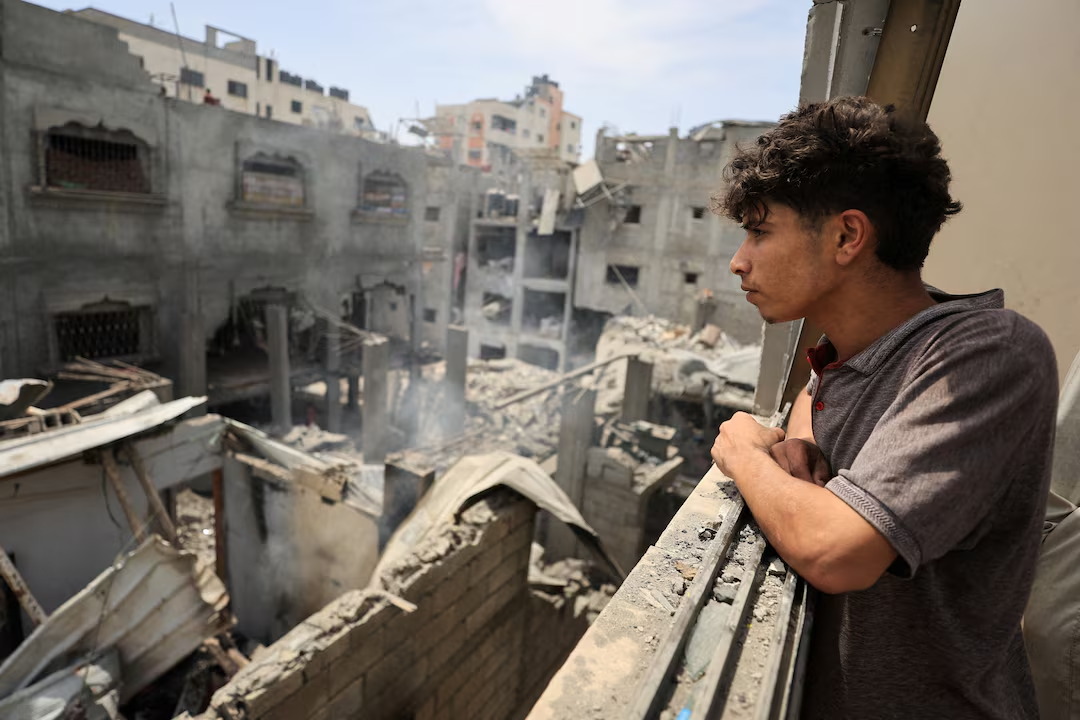
Crimes against humanity represent one of the most serious affronts to human dignity and collective conscience. They embody patterns of widespread or systematic violence directed against civilian populations — including murder, enforced disappearances, torture, persecution, sexual violence, deportation, and other inhumane acts that shock the moral order of humanity.
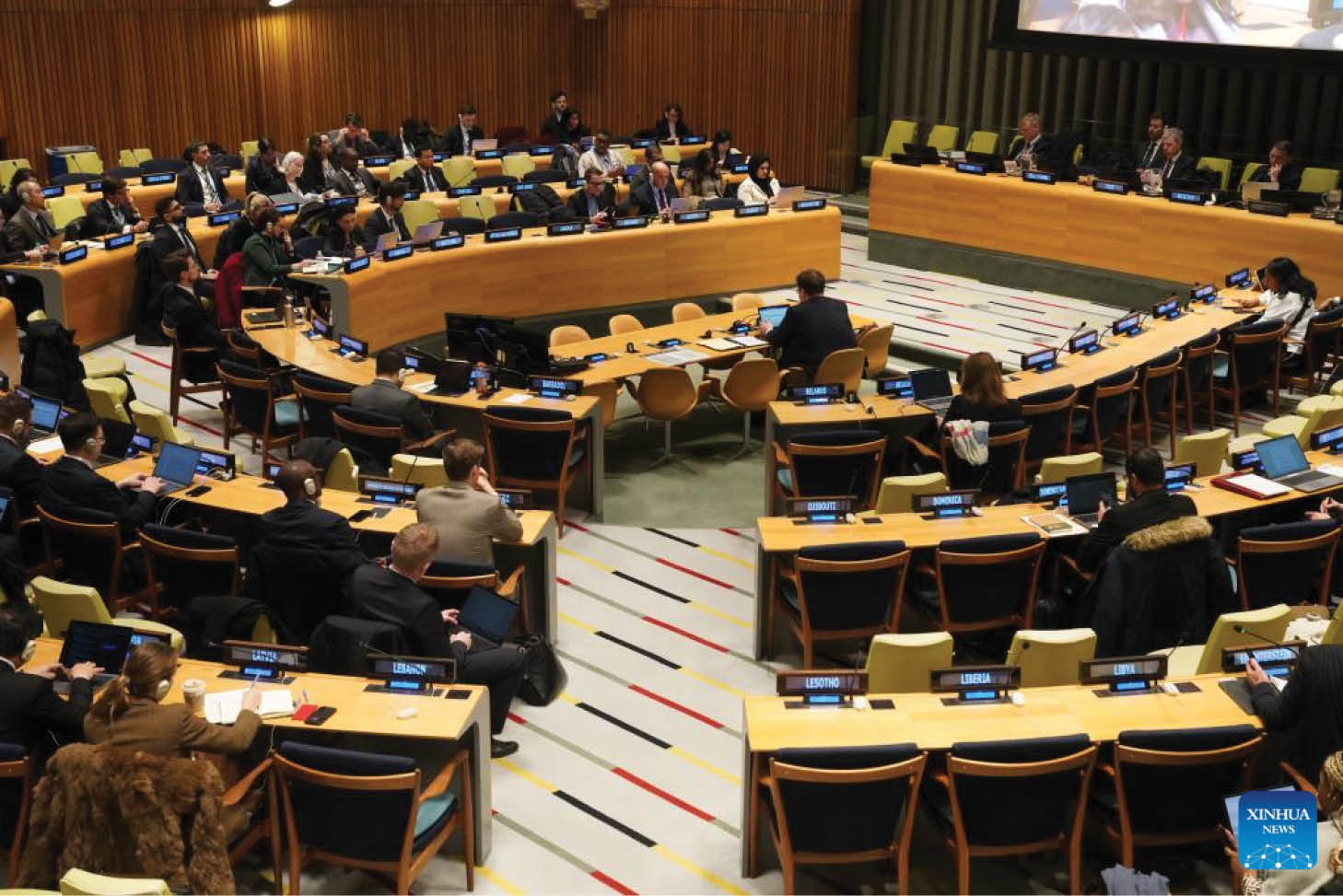
The United Nations Conference of Plenipotentiaries on the Prevention and Punishment of the Crime against Humanity presents a historic opportunity to strengthen global resolve, reinforce legal frameworks, and advance cooperation among states to ensure accountability, justice, and meaningful prevention.
While the international legal architecture has evolved significantly since the aftermath of the Second World War, important normative and institutional gaps remain.
The Genocide Convention of 1948 and the Geneva Conventions established foundational legal protections, and the creation of the International Criminal Court reinforced accountability mechanisms.
Yet, unlike genocide and war crimes, there is still no stand-alone comprehensive convention dedicated exclusively to crimes against humanity.
This structural omission has limited the capacity of states to adopt consistent domestic legislation, harmonize cooperation frameworks, and pursue perpetrators who move across borders. The Conference of Plenipotentiaries seeks to fill this critical void.
The Imperative of Prevention
Prevention must stand at the core of the international community’s approach. Too often, the world reacts to atrocities only after irreparable harm has been inflicted and communities have been devastated.
A meaningful prevention framework requires early warning mechanisms, stronger monitoring capacities, transparent reporting, and a willingness by states and institutions to act before crises escalate.
Education in human rights, inclusive governance, rule of law strengthening, and responsible security practices are equally essential elements of prevention.
Civil society organizations, academic institutions, moral leaders, and human rights defenders play a vital role in documenting abuses, amplifying the voices of victims, and urging action when warning signs emerge.
Their protection and meaningful participation must therefore be an integral component of any preventive strategy. Without civic space, truth is silenced — and without truth, accountability becomes impossible.
Accountability and the Rule of Law
Accountability is not an act of punishment alone; it is an affirmation of universal human values. When perpetrators enjoy impunity, cycles of violence deepen, victims are re-traumatized, and the integrity of international law erodes.
Strengthening judicial cooperation — including extradition, mutual legal assistance, and evidence-sharing — is essential to closing enforcement gaps.
Equally important is the responsibility of states to incorporate crimes against humanity into domestic criminal law, ensuring that such crimes can be prosecuted fairly and independently at the national level.
Justice must also be survivor centered. Victims and affected communities deserve recognition, reparations, psychological support, and the assurance that their suffering has not been ignored.
Truth-seeking mechanisms and memorialization efforts help restore dignity and foster long-term reconciliation.
The Role of Multilateralism
The Conference reinforces the indispensable role of multilateralism in confronting global challenges. Atrocities rarely occur in isolation; they are rooted in political exclusion, discrimination, securitization of societies, and structural inequalities.
No state, however powerful, can confront these dynamics alone. Shared norms, coordinated diplomatic engagement, and principled international cooperation are vital to preventing abuses and responding when they occur.
Multilateral commitments must also be matched with political will. Declarations are meaningful only when accompanied by implementation, transparency, and accountability to both domestic and international publics.
Technology, Media, and Modern Challenges