Islamabad
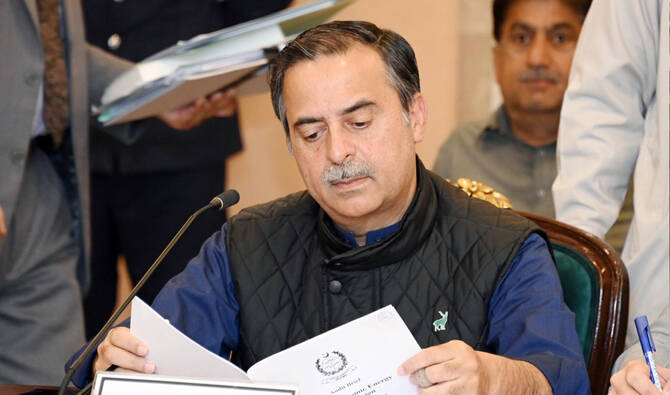
Federal Minister for Maritime Affairs Muhammad Junaid Anwar Chaudhry has said that Pakistan’s maritime heritage is a national asset crucial for cultural identity, education and sustainable economic growth, stressing the need to expand the blue economy while addressing climate-related risks.
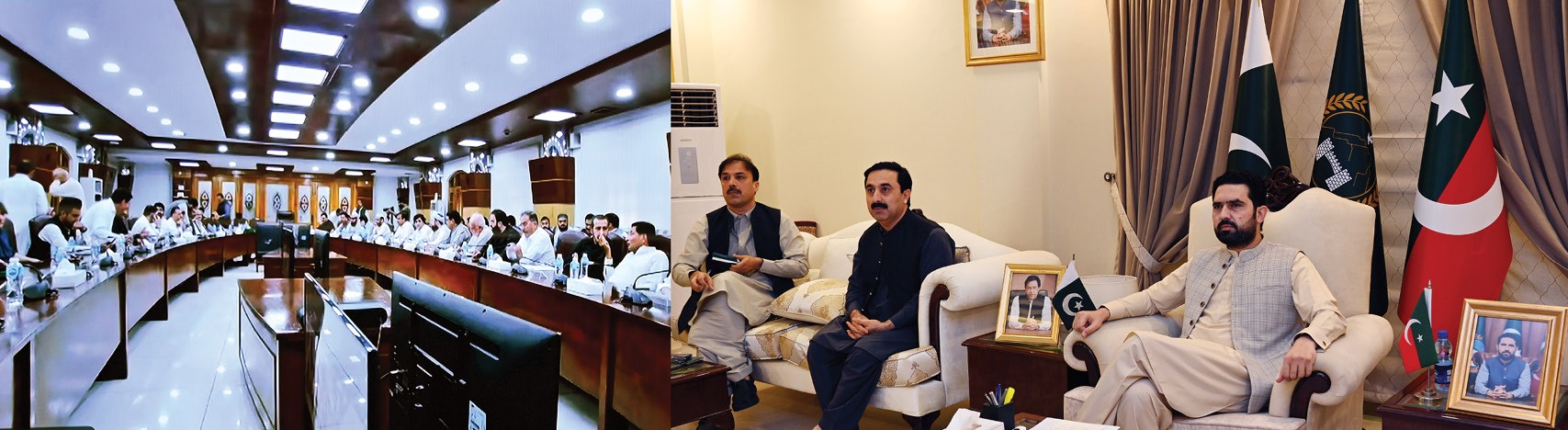
He expressed these views during a meeting with Federal Minister for National Heritage and Culture Aurangzeb Khan Khichi, where both sides reviewed ongoing initiatives and discussed a framework for sustained inter-ministerial collaboration to promote and protect maritime heritage.
The discussions focused on aligning policy, research and conservation efforts to ensure maritime heritage is properly documented, safeguarded from degradation and integrated into broader national development strategies.
Highlighting Pakistan’s over 1,000-kilometre coastline along the Arabian Sea, Minister Junaid Chaudhry noted that historic ports, navigational routes, shipwrecks, lighthouses and fishing settlements reflect a long maritime tradition that remains under-documented and increasingly vulnerable.
He said preservation of maritime heritage could support education, tourism and the blue economy while strengthening national identity, adding that development and preservation are not mutually exclusive and require careful planning and cooperation.
The minister emphasized that coastal erosion, climate change, unregulated development and illegal salvaging pose serious threats, particularly to underwater cultural assets, and called for a whole-of-government approach.
Minister Aurangzeb Khichi echoed the call for joint action, underscoring the role of cultural institutions, museums and research bodies in documenting and interpreting maritime history.
He said his ministry would work closely with maritime authorities to map heritage sites, support archaeological surveys and promote public awareness through exhibitions, curricula and community engagement.
Both ministers discussed the possible establishment of a joint working group to coordinate policies, share data and develop project proposals, including protection of historic ports and lighthouses, documentation of traditional boat-building techniques, preservation of underwater archaeological sites and promotion of responsible maritime tourism.
The meeting concluded with a commitment to translate policy discussions into actionable plans to safeguard Pakistan’s maritime heritage for future generations.