DLP Report
PESHAWAR
Khyber Pakhtunkhwa Chief Minister Muhammad Sohail Afridi on Monday accorded approval to present the “Vagrancy Control and Rehabilitation Bill” before the provincial cabinet, aiming to dismantle organized begging networks while protecting vulnerable individuals.
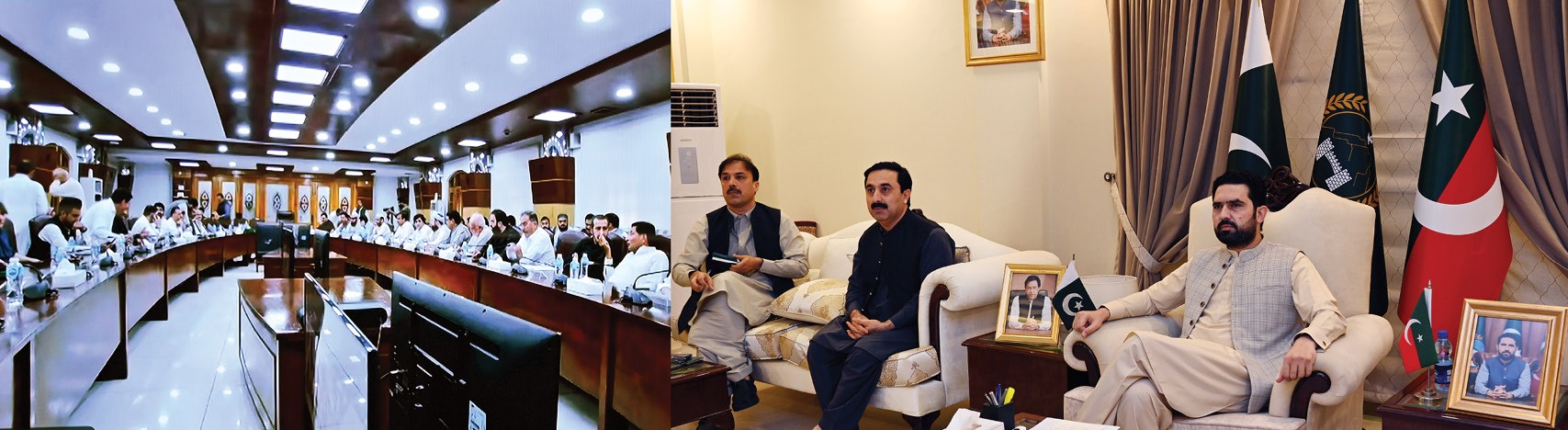
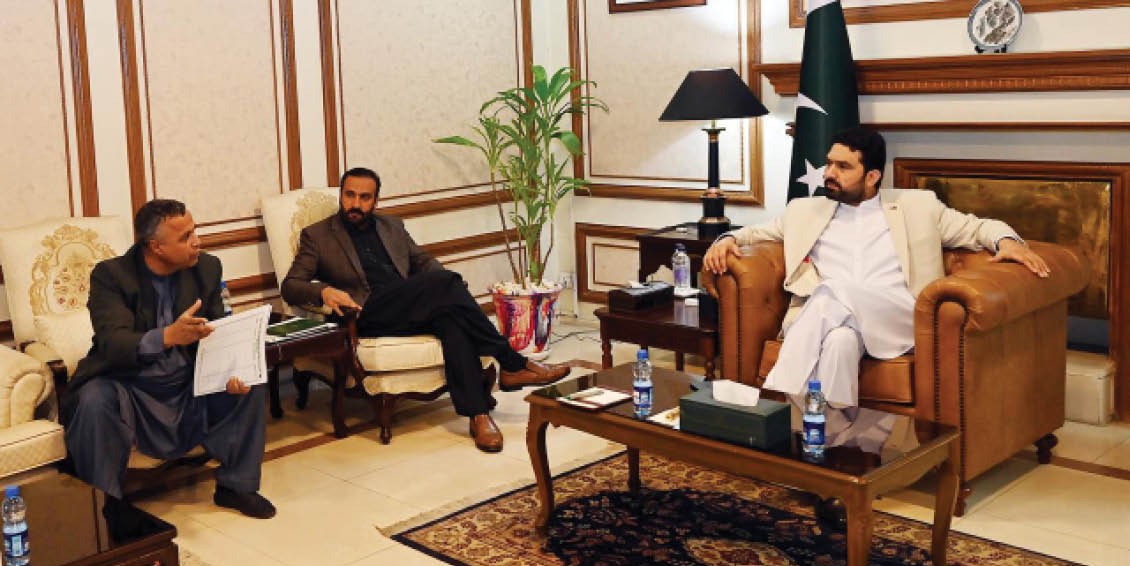
Chairing a high-level meeting at the Chief Minister’s Secretariat, Mr Afridi described the legislation as a historic and transformative step, according to an official statement.
He said the bill targets exploitation and coercion in begging, ensures protection and rehabilitation for genuine victims of poverty, and imposes strict penalties on those running begging mafias.
“The new law draws a clear line between the vulnerable and the exploiters,” the Chief Minister said. “Individuals compelled by poverty will receive rehabilitation, skills training, and employment opportunities, while those turning begging into a profession will face strict punishment.”
The bill modernizes the 2020 vagrancy law to address organized begging rings, forced child begging, fake disabilities, and fraudulent practices. First-time offenders involved in simple begging may face warnings, rehabilitation, or up to one month in prison. Repeat offenders may be jailed for up to a year with fines.
Begging through deception or fake disabilities carries one to two years’ imprisonment, while organized networks could face up to three years and fines of up to Rs400,000. Ringleaders and facilitators of begging mafias will be subject to the strictest penalties.
A central feature of the legislation is child protection. Children involved in begging will be removed from exploitative environments and placed into welfare and rehabilitation programs.
To ensure implementation, the bill proposes a Provincial Steering Committee to oversee enforcement, interdepartmental coordination, rehabilitation protocols, and public awareness campaigns. The law also mandates the use of technology such as biometric systems and digital monitoring to prevent repeat exploitation.
Rehabilitation measures will include temporary shelter, healthcare, psychological support, education, vocational training, and social reintegration, utilizing and upgrading existing welfare institutions. A dedicated, non-lapsable Vagrancy Control and Rehabilitation Fund will support these initiatives, financed through government grants, donations, and national and international partners.
The framework encourages citizens to channel charitable support through verified rehabilitation systems rather than giving alms on the streets, emphasizing public cooperation as key to breaking the cycle of exploitation.