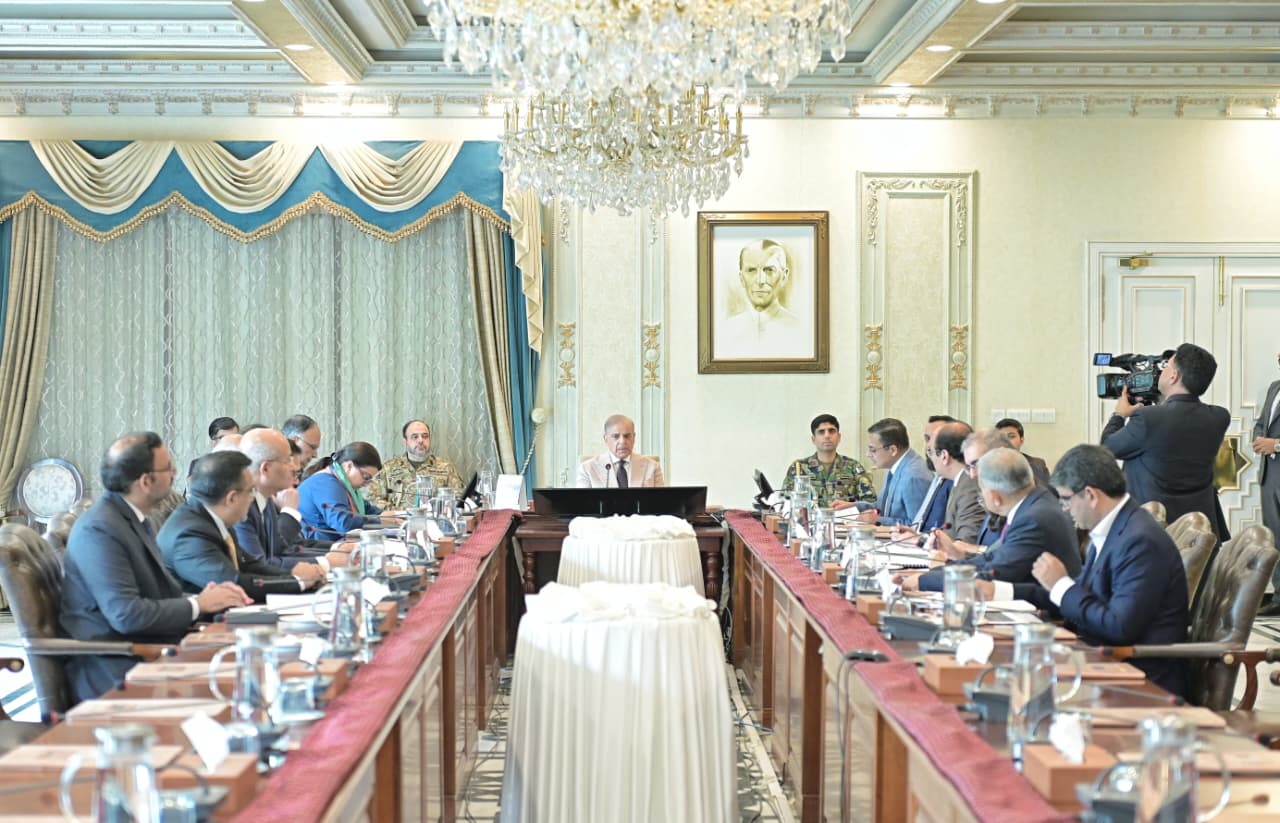
Prime Minister Shehbaz Sharif’s engagement with Qatar Prime Minister and Minister for Foreign Affairs Sheikh Mohammed bin Abdulrahman bin Jassim Al Thani was the right kind of diplomacy for a region that is in no position to sit back and relax.
As Iran sits under tightening pressure and Afghanistan remains a sanctuary problem that Islamabad cannot wish away (only manage with a mix of force, law, and patient statecraft), Pakistan is doing what a responsible middle power does: keeping channels open, insisting on stability, and widening room for economic survival.
That is where Qatar matters. Doha has made itself useful by talking to actors others refuse to touch, and by turning mediation into a repeatable craft. Even if Pakistan does not wish to outsource its Afghan file to any capital, it can still learn from Qatar’s experience. Sometimes, investing in the boring mechanics of dialogue do prevent crises from becoming wars.
Afghanistan is where the price of failure is paid in Pakistani blood. According to data released by the military’s media wing, Pakistan witnessed more than 5,000 militant incidents in 2025, and most of those were traced to networks operating from across the Afghan border.Gilgit Baltistan Travel
Since 2021, Pakistan has lodged dozens of formal protests with Kabul over cross-border infiltration and safe havens in Kunar, Nangarhar and Paktika. The Taliban administration insists Afghan soil is not being used against any neighbour, yet funerals in Bajaur, Bannu and Peshawar form their own ledger. All said and done, no state can accept armed groups organising from across a 2,600-kilometre frontier.
This is where Qatar’s access can matter. With channels to Kabul that remain functional, Doha is positioned to test whether the Taliban seek structured state-to-state engagement. Verification, intelligence coordination and credible action against anti-Pakistan militants are measurable benchmarks.
Also on the agenda is Pakistan’s stabilisation story, which has begun to earn recognition from the IMF, including a reported primary surplus of 1.3% of GDP and an external account that improved after years of stress.
Austerity, however, narrows the margin for absorbing regional shocks. Regional diplomacy must, therefore, connect to internal resilience, requiring cabinet continuity, parliamentary ownership of security policy, and a counter-extremism framework that treats sectarian mobilisation as a national-security liability.
Qatar’s investment pledges are a bet that Pakistan can become reliably investable if its policies become consistent.
Turning that promise into actual projects will require governance that reassures investors and ordinary Pakistanis alike, alongside a foreign policy that reads the region with cold clarity rather than hot slogans.