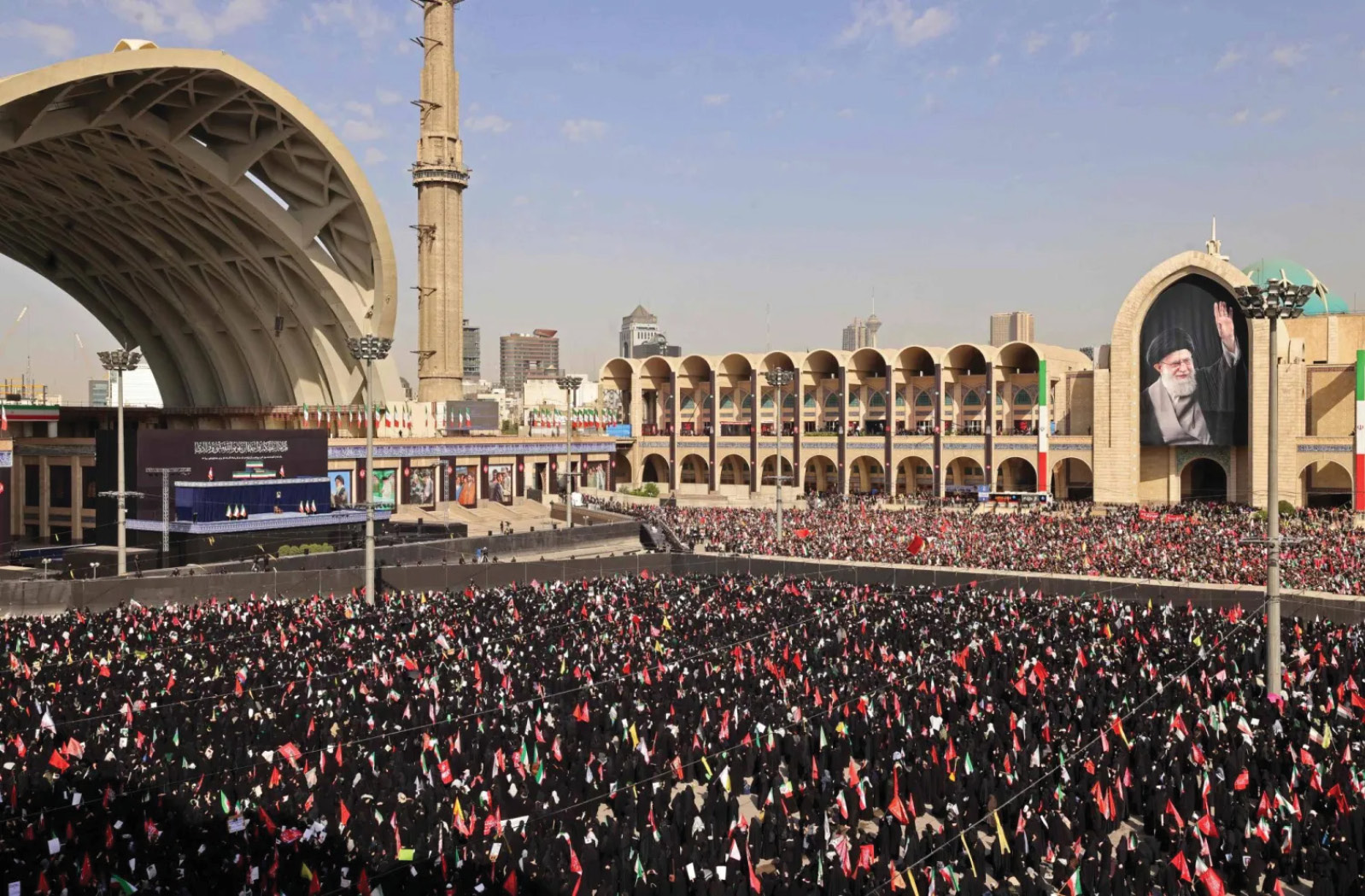
As protests mourning the martyrdom of Iranian Supreme Leader Ayatollah Khomeini spread from Lucknow in Uttar Pradesh to Skardu, Bahrain, Malaysia and beyond, the wider region is catching fire at an alarming pace. Across the Arab world, particularly in the Gulf, airspace closures, disrupted connectivity and anxious populations rushing to stock up on essentials signal a climate of deep uncertainty. The carefully curated image of wealth, stability and invulnerability projected by princely states such as Qatar and the UAE — especially global hubs like Dubai — is beginning to fray under the strain of escalating conflict.
No amount of influencer gloss can obscure a fundamental reality: any city perceived to be within missile range will see capital and people move swiftly. Financial markets react not to slogans but to risk. Data centres, American technology infrastructure and multinational operations based in the Gulf now sit beneath a cloud of strategic vulnerability. If this insecurity hardens into perception, corporations will quietly explore relocation to safer jurisdictions. The long-term consequences for Gulf economies could be profound, depending on the duration and intensity of the conflict.
The global economic fallout will not remain confined to the region. The Strait of Hormuz — a chokepoint for a significant portion of the world’s oil supply — has effectively become a flashpoint. Tankers navigating those waters face mounting danger, with Iranian forces on one side and the US Navy on the other. Even limited disruption in these lanes reverberates immediately through energy markets.
Saudi oil infrastructure has previously faced attacks from armed groups operating out of Yemen, while Iranian facilities have been targeted by Israeli and American strikes. When major producers on both sides of a confrontation come under threat, the shock to supply expectations alone is enough to send prices surging. Those costs inevitably filter down to consumers worldwide through fuel prices, transport costs, food inflation and broader market instability.
The longer the confrontation persists, the deeper and more entrenched the economic damage will become. Energy markets are acutely sensitive to uncertainty, and prolonged instability in the Gulf risks triggering sustained volatility rather than a temporary spike.