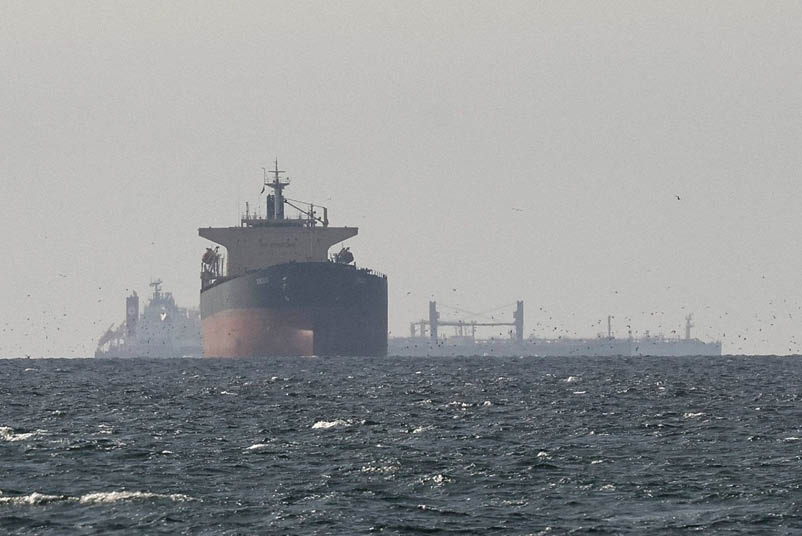
Islamabd: The Businessmen Panel (BMP) of the Federation of Pakistan Chambers of Commerce and Industry (FPCCI) has raised serious concerns over the government’s sudden increase in petrol and diesel prices, questioning the timing of the decision. BMP Chairman and former FPCCI president Mian Anjum Nisar said the fuel price hike appears premature, as no new oil import has yet reached the country and the high-cost stock currently at sea have not been reflected in consumer prices. He added that if fuel rate is reviewed on a weekly basis, the government could have waited at least one week before implementing such a steep increase, giving industries and consumers time to adjust. News Desk
“The decision to raise fuel prices by Rs55 per litre while the high-cost oil is still in transit puts an unnecessary burden on industries and ordinary citizens,” Anjum Nisar said. “It is difficult to understand why the government chose to pass on these costs now, when existing stock has yet to reach the market.”
The industry leader expressed the concerns, highlighting that rising fuel costs could trigger a chain of economic challenges. The textile sector, one of Pakistan’s largest export earners, is particularly vulnerable. He warned that higher fuel and shipping costs would erode competitiveness in global markets. “Our production costs are already high, and any sudden increase in energy prices directly impacts the final price of our products. Exporters will struggle to maintain margins, and buyers abroad may demand discounts, making it harder to sustain trade relationships,” he explained.
The BMP also highlighted the broader macroeconomic implications of the fuel price surge. Higher domestic fuel costs are likely to push up inflation, forcing the government to increase spending to support public services and subsidies. Analysts say this could worsen the fiscal deficit, which is already under strain due to unprecedented domestic borrowing. According to the latest State Bank data, the federal government borrowed Rs2.413 trillion in the first eight months of FY26, more than three times the Rs724 billion borrowed during the same period last year. Increasing debt servicing obligations consume a significant portion of the national budget, leaving little room for development projects.
Mian Anjum Nisar warned that rising inflation could create a domino effect across the economy. “Higher prices will reduce consumer demand, hitting retail, manufacturing, and services sectors. Combined with higher interest rates to control inflation, this could slow economic growth at a time when the country can least afford it,” he said.
The BMP chairman also pointed out the potential impact on Pakistan’s trade balance. The country relies heavily on energy imports, and any surge in international oil prices—exacerbated by shipping disruptions due to geopolitical tensions—would raise import costs further. At the same time, exports to the Middle East, a key market for Pakistani goods, could decline if regional instability continues. “Exporters face dual pressures: rising domestic production costs and the risk of losing markets due to higher freight charges and delayed shipments. The government must recognize these vulnerabilities and adopt policies that protect industrial output while ensuring energy affordability,” Nisar emphasized.
Financial experts associated with the BMP stressed that the current fuel price hike could affect foreign exchange reserves and remittance flows. With a growing dependence on external inflows to manage the balance of payments, any decline in exports or remittances could create liquidity challenges for the State Bank. As of early March 2026, Pakistan’s foreign exchange reserves stood at $16.3 billion, but ongoing instability in oil-rich regions could lead to sharp declines if trade is disrupted.
The BMP has called for urgent policy measures to mitigate the impact of global oil volatility. Anjum Nisar urged the government to consider a mix of short-term and long-term strategies, including stabilizing domestic fuel prices, promoting energy efficiency in key industries, and negotiating flexible import terms to reduce cost pressures. “A proactive approach is required. Industries cannot absorb repeated shocks without facing severe losses. Policymakers must engage with the business community to find balanced solutions that protect consumers while ensuring the sustainability of production,” he said.
The panel also stressed the importance of maintaining investor confidence. Rising energy costs, combined with fiscal deficits and inflationary pressures, could deter both domestic and foreign investment. “Investors look for stability. Sudden price adjustments without corresponding measures to shield industries create uncertainty, delay new projects, and limit job creation,” Anjum Nisar added.
BMP representatives emphasized that public awareness of energy pricing and its economic implications is critical. They suggested a phased approach to fuel price adjustments, accompanied by targeted subsidies for vulnerable sectors. “The government must act carefully to avoid shocks to the general population. Sudden, steep increases can have social consequences in addition to economic ones,” Nisar said.
The BMP also highlighted that industries already face structural challenges, including higher input costs, exchange rate fluctuations, and financing difficulties. Fuel price hikes, particularly when not aligned with global cost transmission, could further exacerbate these challenges. Textile, cement, and transport sectors, which are heavily dependent on fuel, may experience immediate cost escalations, potentially forcing them to reduce production or pass costs onto consumers.