Arslan Mehndi Nekokara
The post-World War II international system was formed to ensure that horrific global wars would never happen again. Institutions such as the United Nations were created to foster dialogue, mediation, and the peaceful settlement of conflicts. Diplomacy was meant to become the primary instrument of international politics, replacing military confrontation. Nevertheless, the geopolitical crises of the 2020s indicate that this vision is increasingly collapsing. In Eastern Europe and the Middle East, wars continue despite sustained diplomatic engagement, pointing to a fundamental crisis of global diplomacy.
The long war between Russia and Ukraine is one of the clearest indicators of diplomatic failure. Since the invasion in 2022, mediation efforts by European states and international organisations have been numerous, yet the conflict persists. By early 2026, military casualties on both sides are estimated to have reached catastrophic levels, making it one of the deadliest wars in Europe since the Second World War. These figures demonstrate how diplomatic negotiations have repeatedly failed to contain the violence or produce a lasting political solution.
Another stark example is the humanitarian crisis in the Gaza Strip. Despite decades of mediation involving the United States, regional actors, and the United Nations, the conflict between Israel and Palestinian forces remains unresolved. Reports by humanitarian agencies indicate tens of thousands of Palestinian deaths between October 2023 and late 2025, alongside widespread destruction of infrastructure and mass displacement. Repeated failures of ceasefire negotiations underscore the limits of diplomacy in addressing one of the most entrenched conflicts of the modern era.
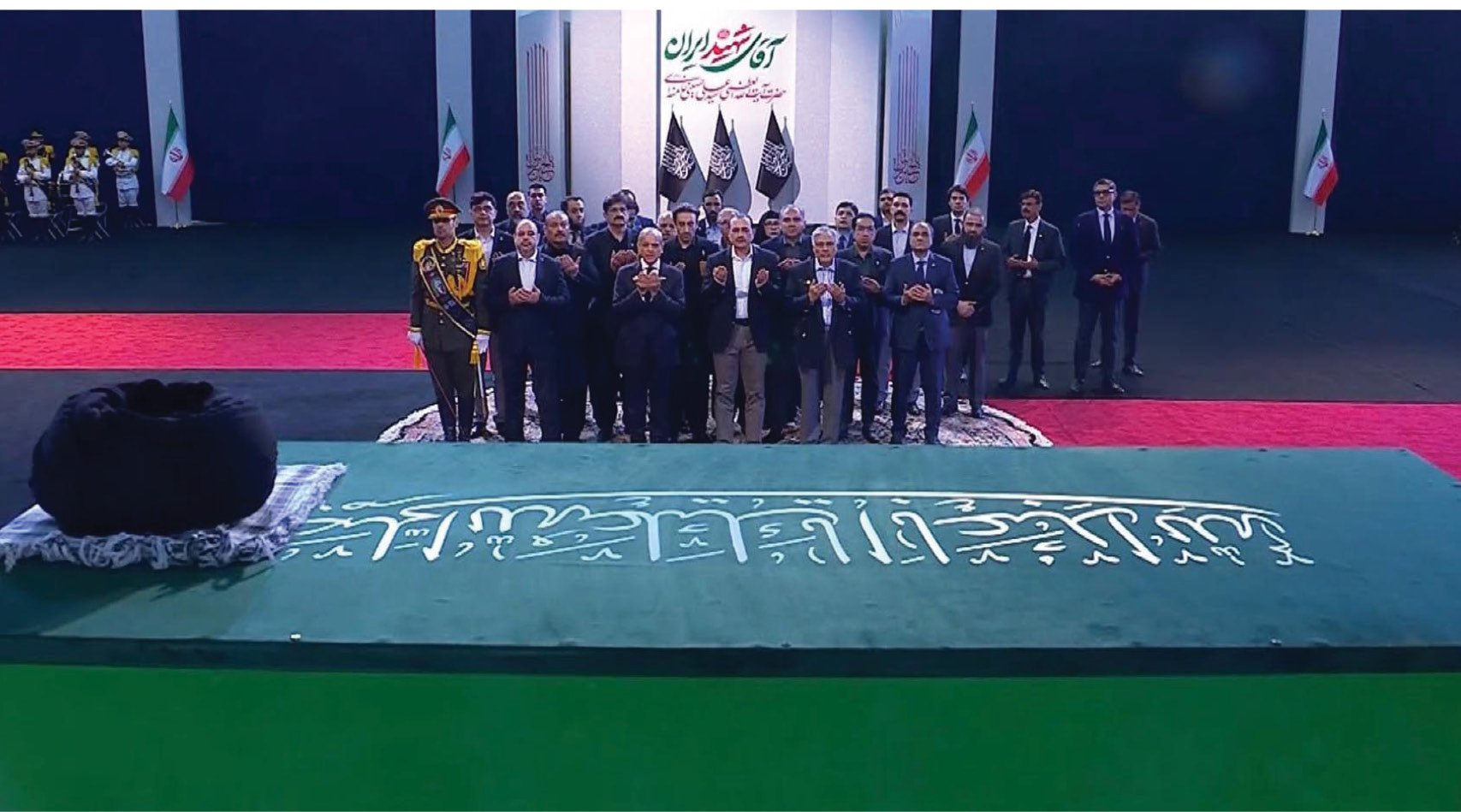
Perhaps the most dramatic collapse of diplomacy is visible in the escalating confrontation between Iran, Israel, and the United States. By early 2026, the crisis intensified following airstrikes on Iranian military and nuclear facilities. Iranian officials reported significant civilian casualties and widespread destruction of homes, hospitals, and infrastructure. The conflict soon spilled beyond Iran’s borders, affecting Iraq, Lebanon, and other parts of the region. Iran responded with missile and drone attacks, while the United States expanded its naval presence in the Persian Gulf.
The implications for global energy security have been severe. The Strait of Hormuz, through which nearly 20 per cent of the world’s oil passes, has become a potential flashpoint. Military tensions and threats to commercial shipping have already triggered volatility in global energy markets.
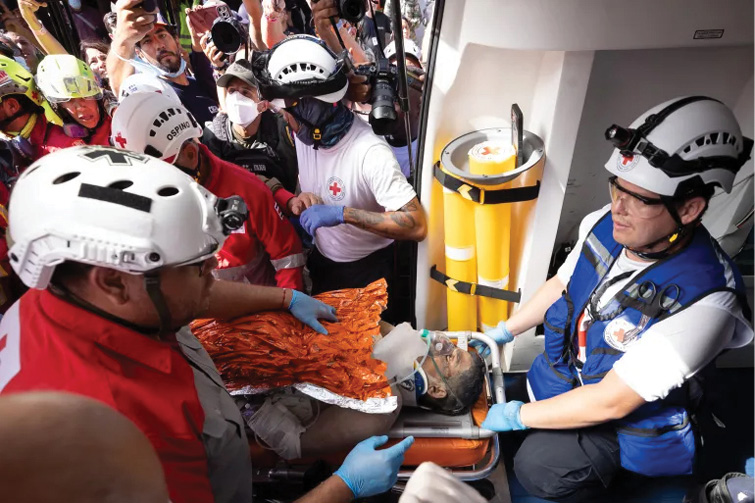
The humanitarian consequences have been equally alarming. Incidents such as airstrikes hitting civilian areas near military targets highlight the devastating impact of modern warfare and the inability of international institutions to enforce humanitarian norms effectively.
The roots of the Iran crisis lie partly in the collapse of diplomatic frameworks such as the Joint Comprehensive Plan of Action, which had placed limits on Iran’s nuclear programme. Its breakdown deepened mistrust between Iran and Western powers, ultimately contributing to open confrontation.
Elsewhere, similar failures are evident. In Sudan, civil war has displaced millions despite repeated mediation attempts. In the South China Sea, territorial disputes between China and Southeast Asian nations persist despite legal rulings and ongoing dialogue.
These crises reflect deeper structural weaknesses in the international system. The resurgence of great-power rivalry among the United States, China, and Russia has made consensus increasingly difficult. Within the UN Security Council, veto powers frequently block decisive action.
Equally troubling is the growing perception of the selective application of international law. Many states believe that global norms are enforced only when they align with the strategic interests of powerful countries. This perception undermines the credibility of international institutions and erodes trust in diplomacy.
The persistence of wars in Ukraine, Gaza, Sudan, and Iran suggests that diplomacy is struggling to keep pace with evolving geopolitical realities. Without meaningful reform of global institutions and a renewed commitment to multilateral cooperation, the role of diplomacy may continue to diminish. If current trends persist, the collapse of diplomacy may not be temporary, but a defining feature of twenty-first century international politics.
The writer is a Lecturer of Political Science at GCUF Chiniot Campus. He can be reached at: mehndiarslan@gmail.com
Courtesy