Allah Nawaz Khan
An Overview of the US and Israel,s War Against Iran
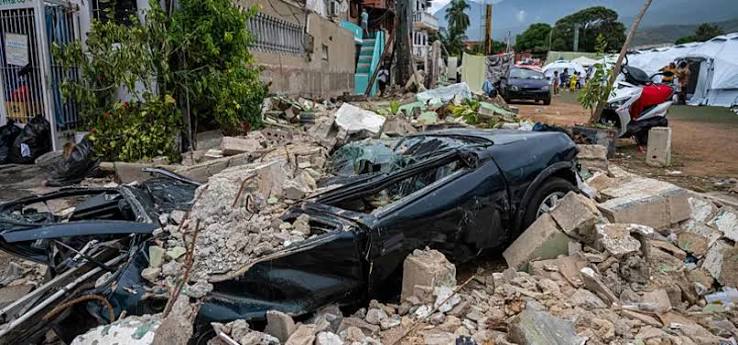
The United States and Israel are engaged in a war against Iran. Many observers initially viewed Iran as a weak nation incapable of standing up to major powers, predicting its swift destruction once the conflict began. Indeed, Iran has faced intense attacks and suffered significant damage. However, it continues to stand firm and resist.
One of Iran’s most impactful actions has been its closure (or effective blockade) of the Strait of Hormuz, a vital global chokepoint for oil and gas shipments. This move has caused widespread disruption and alarm around the world, spiking energy prices and affecting global trade. Despite ongoing bombings, Iran has launched counterattacks that have inflicted notable harm on both Israel and American interests. These responses appear to have surprised the US and Israel, who may not have anticipated such resilience and severity.
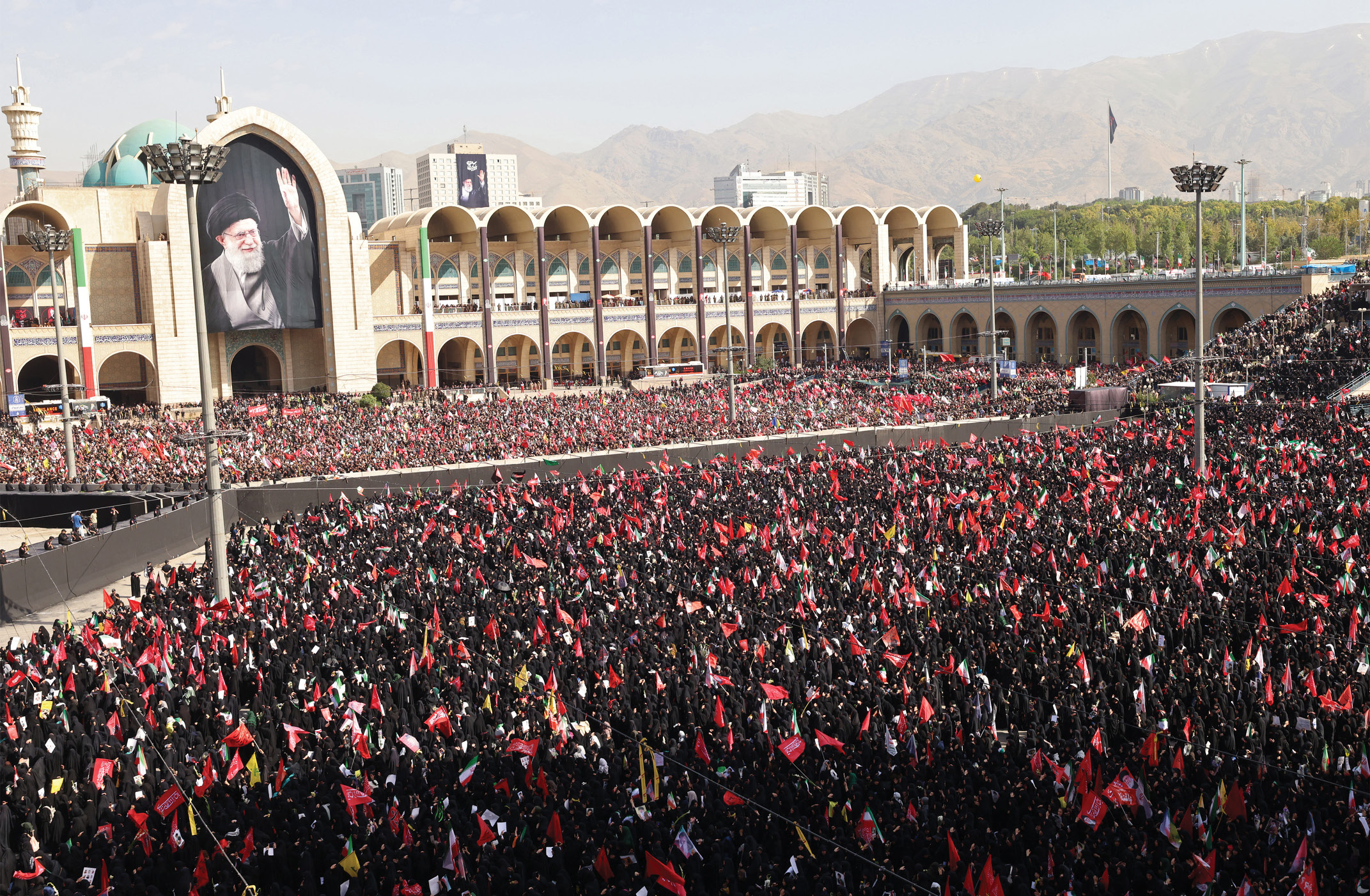
The US president claimed that Iran’s military capabilities had been destroyed and that the country was effectively broken. Similar assertions suggested Iran was finished after the assassination of its Supreme Leader and several key figures. Yet reality has proven different. Although the Supreme Leader’s death created a leadership vacuum, Iran quickly rallied under new strong leadership and has continued fighting. Some now argue that Iran cannot be fully defeated.
The US and Israel appear to have believed that Iranians broadly reject their religious government and would welcome a US-backed alternative. While certain segments of society oppose the Islamic Republic and have staged protests, the majority have not actively supported regime change or aligned with external powers. Protests occur, but they remain limited. Traitors and collaborators have been arrested and punished, though many may still exist. Despite long-term efforts by the US and Israel to weaken Iran internally, achieving full control has proven difficult.
Iran has retaliated by targeting the sources of attacks against it, including American military bases across the Middle East. These bases, present in several Islamic countries to protect US interests, have become vulnerable. As a result, the conflict has spread regionally. Iran has avoided direct confrontation with its neighbors where possible, but targeting these bases is seen as necessary since directly attacking the US mainland is impractical.
This escalation serves as a warning to countries hosting American bases: perceived safety under US protection is no longer guaranteed. American hegemony in the region is weakening, as nations question the value of aligning with the US when it exposes them to risk. In a worst-case scenario involving nuclear weapons, host countries could face devastation, while the US might suffer mainly financial losses with limited casualties. Yet, if successful, the US stands to gain the most.
Israel has sought to create multiple fronts for Iran by encouraging other countries to oppose it, hoping to dilute Iran’s focus and reduce Israel’s own losses. Meanwhile, Iran has adopted a policy of selective passage through the Strait of Hormuz—allowing ships from non-hostile nations while blocking opponents. This approach has deterred many countries from joining the US-led coalition. If Iran’s defeat seemed certain, alliances might have formed easily; instead, the perceived risk of an Iranian victory (or prolonged stalemate) has led many to refuse support.
The war’s outcome remains uncertain. It could expand across the region, threatening the security of many countries, or even escalate to nuclear levels with catastrophic consequences. An Iranian victory would likely end US dominance in the Middle East, prompting countries to expel American bases. Even a US/Israeli victory might not secure long-term bases if local resentment grows. Currently an air war, it risks becoming a ground conflict, which would devastate the region further. For these reasons, stopping the war through any means possible is preferable to avoid greater destruction.
The conflict may end inconclusively, but the damage is already immense. Iran’s losses—human, infrastructural, and economic—are far greater, as it faces direct bombardment. The US, by contrast, has incurred mainly financial costs (billions of dollars daily) and limited personnel losses. This war has become a quagmire for the US, making withdrawal difficult. Israel prioritizes its own security above all, even if the broader costs fall on the US or others.
The international community should intervene to halt the war—either through diplomacy or unified pressure against the US and Israel—to restore peace and safeguard the Middle East’s stability.