Amid centre–province tensions
Lawmakers from various regions highlighted sectoral challenges and proposed remedial measures
PESHAWAR
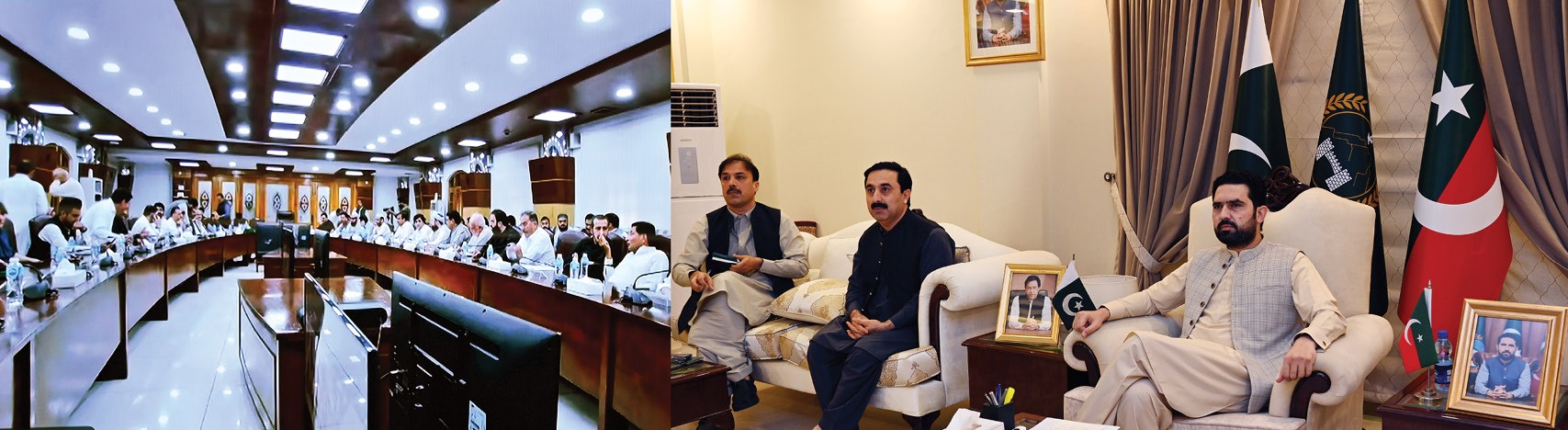
The pre-budget session of the Khyber Pakhtunkhwa Assembly commenced with a delay of over three hours, as treasury and opposition members engaged in a detailed debate on fiscal priorities and governance challenges facing the province. The sitting, chaired by Speaker Babar Saleem Swati, opened with recitation from the Holy Quran, followed by discussions on budgetary proposals from both sides of the aisle.
Speaking on the floor of the house, Finance Minister Muzammil Aslam underscored the province’s heavy fiscal reliance on the federal government, stating that the budget reflected austerity measures in light of prevailing global economic pressures.
He expressed concern that KP was not being accorded its due share by the federation, adding that the financial sustainability of the merged tribal districts remained a pressing issue, particularly as their merger had been a federal decision.
Lawmakers from various regions highlighted sectoral challenges and proposed remedial measures.
MPA Nazir Ahmad Abbasi drew attention to the slow pace of reconstruction in disaster-hit areas of Hazara Division and raised alarm over the lack of medical staff in rural Basic Health Units (BHUs), claiming that a significant number remained unattended by doctors.
He called for activation of basic healthcare facilities and stressed that revenues generated from tobacco cultivation were not benefiting the province proportionately.
Mr Abbasi also criticised the province’s dependence on other regions for essential commodities, including wheat, urging the government to adopt policies ensuring self-sufficiency and equitable resource distribution.
PPP parliamentary lead MPA Ahmed Karim Kundi criticised the provincial government led by PTI for what he termed its failure to effectively advocate the province’s case at the federal level. He called for greater inclusivity in decision-making and urged the government to consider opposition proposals in shaping fiscal policy.
Mr Kundi further alleged that parliamentary committees were not being convened regularly and accused the government of neglecting its constitutional responsibilities.
He expressed concern over the lack of development funds for local government representatives over the past four years and questioned the government’s commitment to institutional stability.
Highlighting the province’s natural resource potential, the opposition lawmaker maintained that KP continued to receive an inequitable share under the National Finance Commission (NFC) award, despite its evolving identity and needs.
The session concluded with calls from both treasury and opposition members for greater coordination, fiscal discipline, and a more assertive approach in securing the province’s rights within the federal framework.