Govt’s move may bring further economic and industry slowdown: President Junaid Altaf, Business leaders call ‘unfair’ and ‘unjust’ decision, demand for immediate withdrawal
PESHAWAR
The Sarhad Chamber of Commerce and Industry expressed dismay over yet another record increase of petrol Rs458.40 per litre and high-speed diesel (HSD) Rs520.35 per litre, marking the highest rates in the country’s history.
SCCI said the government’s move will bring further sluggishness in economic and industrial activities and would increase inflation that could directly affect all segments of the society in the country, according to a statement issued here Friday.
SCCI President Junaid Altaf, senior vice president Muhammad Nadeem and Vice president Sabir Ahmad Bangash along with rest of the member of the chamber’s executive committee while sharply reacting to the recent-announced significant hike in fuel prices, stated that it an highly ‘unfair’ decision in the prevailing uncertain situation and urged the government to revert it in best interest of national economy, business and industrial growth.
President Junaid Altaf said that the Cost of Doing Business in Pakistan is already at the highest level compared to other countries in the region, and this recent decision will paralyze the production process.
The global economy is already under severe pressure, and in a country like Pakistan where the rates of unemployment and inflation are already high, this increase in petroleum prices will lead to an immense rise in the prices of food items and transport fares, which will move beyond the reach of the common man, SCCI chief observed.
Junaid Altaf slated the government’s “Reactive Approach,” stating that imposing a burden of Rs55 on the public despite having ample oil reserves in the country is beyond comprehension.
The SCCI President called upon the federal government to utilize diplomatic channels to play its role in ceasefire and regional peace and make measures to maintain the petroleum and LNG supply chain.
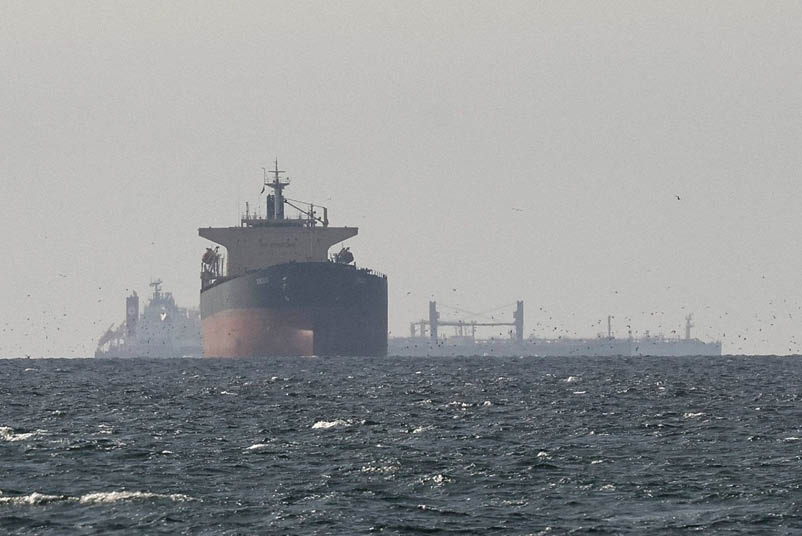
He continued to say that threats of a potential long-term closure of the Strait of Hormuz—through which 20% of the world’s oil supply passes—are looming globally.
Therefore, he urged the government to immediately work on alternative routes and the stabilization of the supply chain to ensure the delivery of Petroleum and LNG.
The SCCI chief demanded that the government take immediate and effective measures to reduce the increasing economic pressure so that the business community and the public can be saved from further economic disaster.
Otherwise, he feared that the stalling of the industrial wheel will cause irreparable damage to the national economy.