DLP Report
PESHAWAR
Provincial Minister for Health Khaleeq ur Rehman on Friday said the Khyber Pakhtunkhwa government has prioritized the health sector, increasing budgets, expanding services, and introducing reforms aimed at ensuring quality healthcare for all residents.
Addressing a press briefing, the minister highlighted that the health budget has risen from Rs30.3 billion in 2013 to Rs274 billion for the current fiscal year, reflecting the government’s commitment to strengthening the sector. Over 22,000 new positions have been created, with the number of medical officers increasing from 2,520 to 6,531.
Key institutional reforms, including the MTI Act framework, Health Care Commission, Health Foundation, and an Independent Monitoring Unit, have been implemented to improve service delivery.
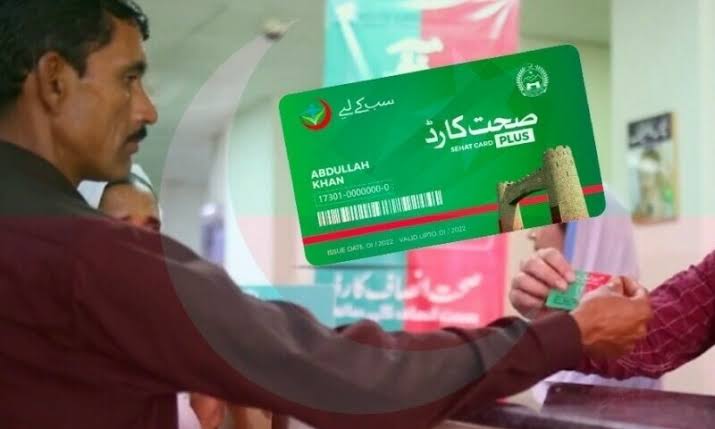
Khaleeq ur Rehman termed the Sehat Card Plus program as the government’s flagship initiative, covering 100 per cent of the province’s population. From January to November 2025, over 1.085 million patients were treated under the program at a cost of Rs31.6 billion, with 64pc receiving care at public hospitals. The program also provides complex treatments such as liver and kidney procedures and cochlear implants.
The minister added that the province’s Universal Health Coverage Index has reached 53.5, with a 4.9pc increase in 2024—the highest in the country.
“Efforts are underway to strengthen primary healthcare, including converting 200 BHUs and 50 RHCs into centers for maternal and emergency services, “ said health minister.
Rehabilitation of 89 flood-affected health facilities is ongoing, vaccination coverage has reached 80pc, and new drug testing labs and a medicine ordering portal have been established.
He said hospital upgradation projects were in progress, with trauma centers, pediatric hospitals, MRI, CT scan, and Cath Lab facilities being expanded, along with neurosurgery and mental health services. To strengthen human resources, 432 doctors and specialists have been recruited, with further recruitment of medical officers, dentists, and nurses ongoing.
The minister said 48 priority governance initiatives were in motion, with 141 sub-initiatives already completed. Legal and policy reforms, along with digitalization—including e-filing, biometric attendance, geo-tagging, and online supply chain management—were being implemented to enhance transparency and performance.
Additionally, 91 health facilities have been identified for improved service delivery, with 19 hospitals outsourced in the first phase to extend healthcare to remote areas.