Ecosystem-based reform is key to sustainable healthcare outcomes in Pakistan
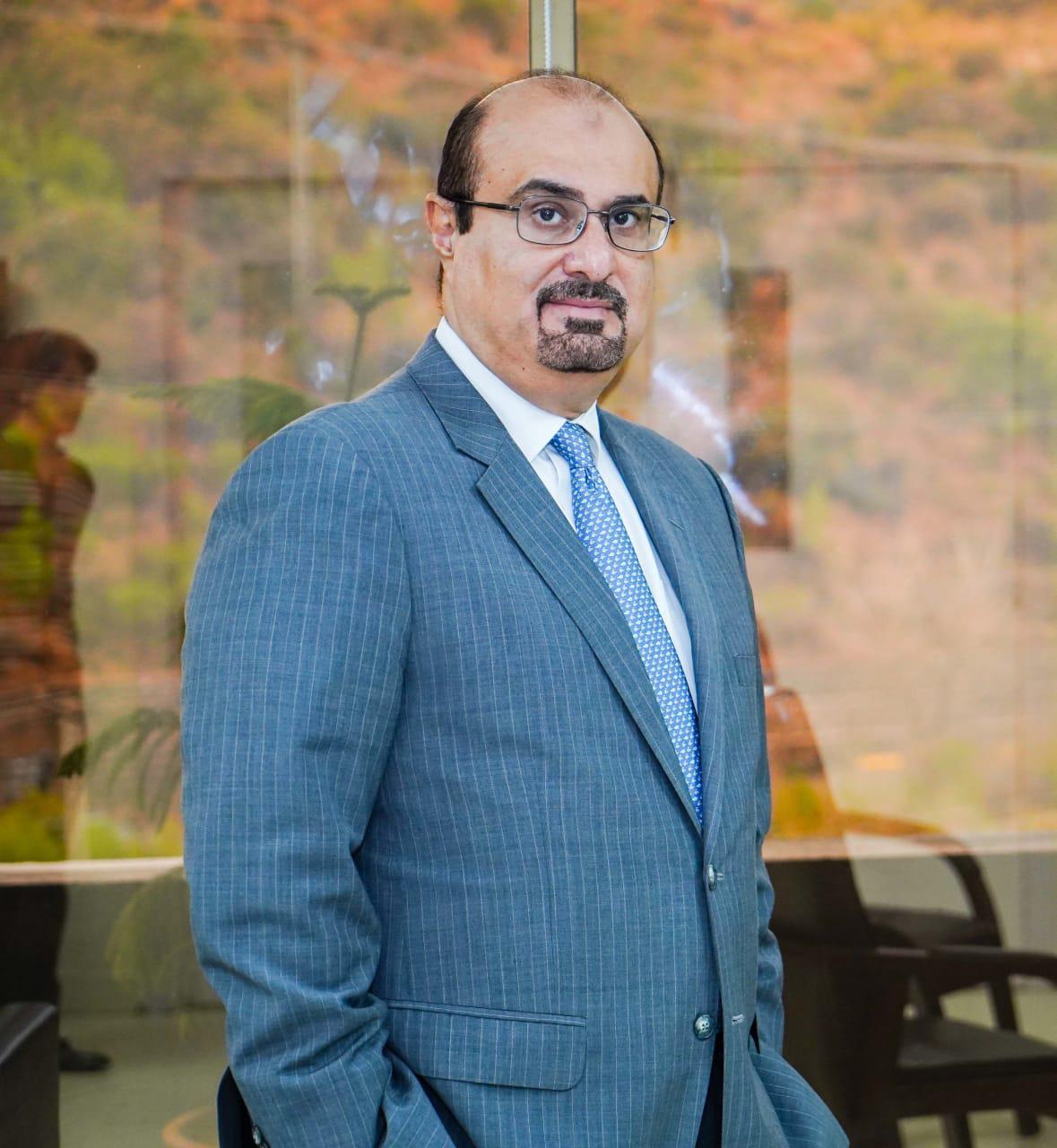
Healthcare transformation does not come from expanding services alone; it comes from dismantling silos and building an integrated ecosystem, said Yasir Khan Niazi, Healthcare Strategist and Group CEO of GAK HealthCare International.
Yasir Niazi noted that Pakistan can no longer afford to view healthcare as a fragmented collection of hospitals, medical colleges, pharmaceutical companies, diagnostic centers, and allied services. “Healthcare must be understood as an industry in the true strategic sense; one that delivers measurable health outcomes, builds human capital, strengthens productivity, and enhances national resilience,” he stated.
Highlighting structural inefficiencies, he pointed out that Pakistan’s healthcare financing remains heavily fragmented. According to the Pakistan Bureau of Statistics (National Health Accounts), more than 50% of total health expenditure is paid directly out-of-pocket by patients, reflecting weak risk pooling and limited financial integration within the system.
“This dependence on out-of-pocket spending shows we are not operating as an integrated healthcare industry, but as disconnected service points,” he explained.
He further emphasized that despite progress in expanding access, with 138 million people covered under universal health services in 2023, millions of people still had to pay healthcare costs out of pocket, highlighting gaps in system integration that continue to undermine financial protection and efficiency, according to the WHO–World Bank Universal Health Coverage update.
Yasir Niazi also noted that Pakistan’s health expenditure stands at around 2.9% of GDP, significantly below global benchmarks, underscoring the need for structural rather than incremental reform, based on WHO Global Health Expenditure Data.
“For healthcare to function as an industry, financing, service delivery, medical education, diagnostics, and digital health systems must operate as one connected framework. Fragmentation weakens efficiency and limits national impact,” he said.
He added that global evidence strongly supports integrated care models, noting that well-structured primary healthcare systems can reduce unnecessary hospital admissions by up to 30% while improving cost efficiency and outcomes, according to World Health Organization evidence on primary healthcare systems.
“This is exactly the shift Pakistan needs from reactive treatment models to integrated, preventive, system-driven healthcare architecture,” he explained.
GAK’s Group CEO stressed that the future of healthcare in Pakistan will not be defined by isolated institutional performance, but by integrated national healthcare ecosystems.
“To achieve better outcomes, reduce financial burden, and build a globally competitive healthcare future, we must move beyond institutions and focus on systems,” he added.
He further stated that this shift would strengthen both public and private sector capacity and reposition healthcare as a high-value economic industry linked to investment, innovation, employment, exports, foreign exchange, and long-term national development.
“This is the shift healthcare leadership in Pakistan must now choose to lead,” Yasir Niazi concluded.